
You might spot a deer at dawn or in a quiet park and wonder what it thinks of you. Most deer steer clear of people, but honestly, how nervous they get really depends on where they live and what they’ve gone through.
Usually, deer keep their distance from humans. Some, though, get pretty chill in cities or spots where people leave them alone.
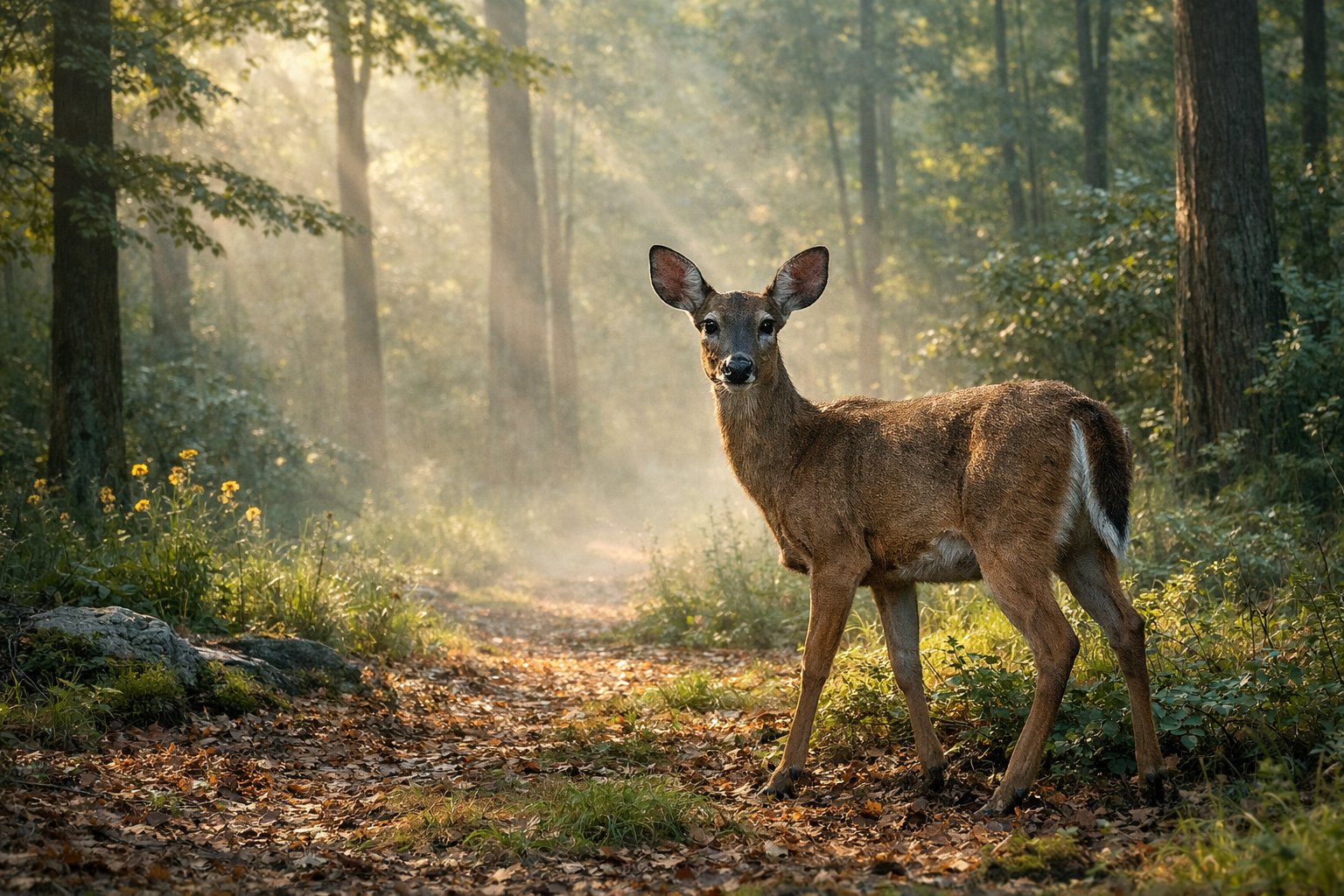
Let’s look at why deer usually run, what makes a few of them bold or laid-back, and how their behavior shifts from deep woods to suburban lawns.
You’ll get a sense of the main reasons deer fear people and see how they act in all sorts of situations.
Why Deer Get Scared of Humans
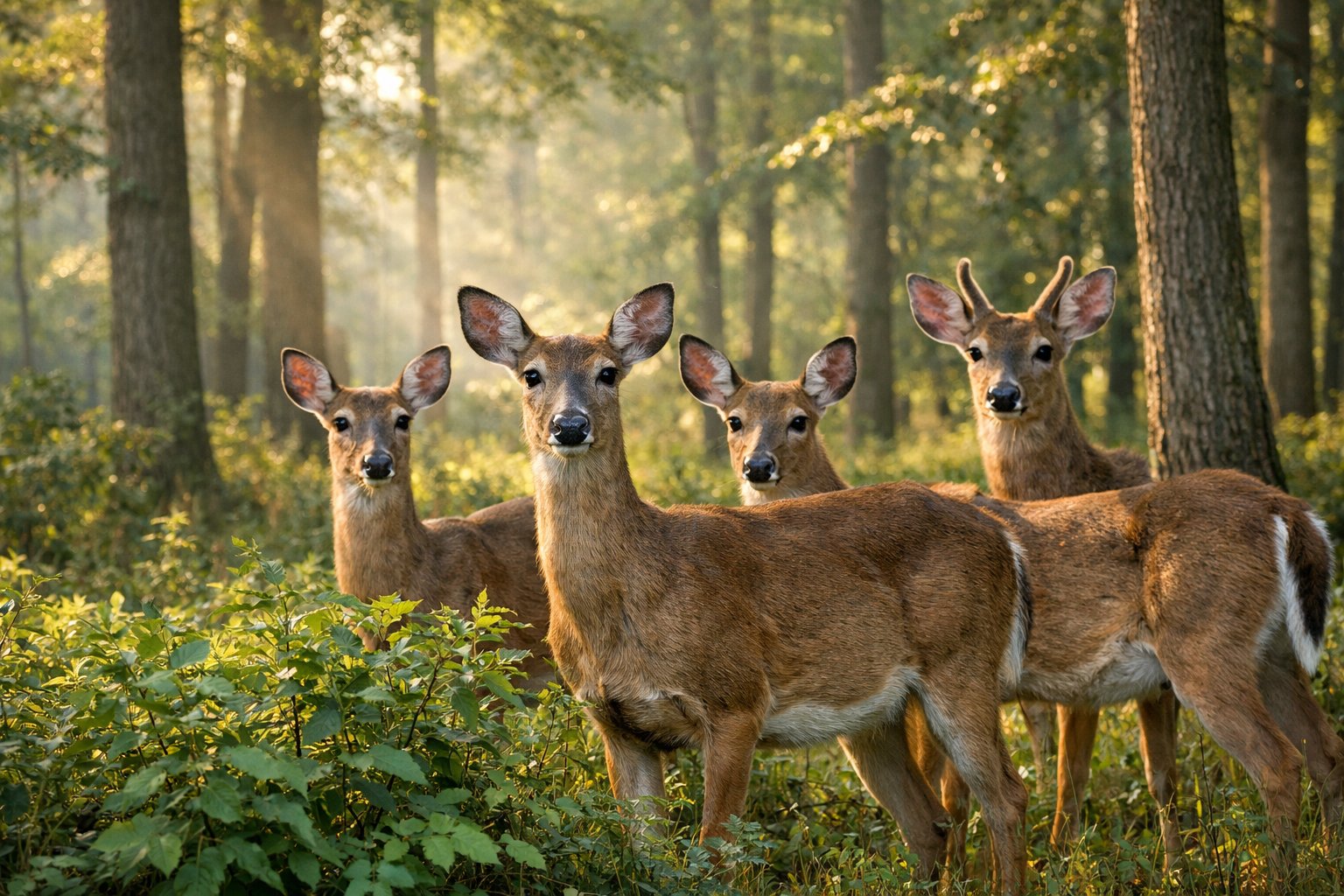
Deer react to people for pretty straightforward reasons. These reasons shape their survival, daily habits, and even where they decide to eat or nap.
Let’s talk about instinct, senses, species quirks, and the way deer show fear with their bodies.
Predator-Prey Dynamic and Evolutionary Fear
Deer grew up, evolution-wise, as prey animals. For thousands of years, humans hunted them for food and tools, and that leaves a mark.
White-tailed deer, mule deer, and wild deer everywhere kind of assume the worst when they notice you. If you walk through their home turf, they see you as a possible threat and get ready to bolt.
This fear pops up in quick choices: freeze, watch, or dash away. These moves help them dodge predators like wolves, coyotes, and, well, you.
Mothers teach fawns to stay away from people and other threats, so it’s not just instinct—it’s learned, too. Where hunting happens, deer get even jumpier and start moving around at times when people aren’t out.
Deer Senses and Detecting Human Presence
Deer count on sharp hearing, a strong sense of smell, and a wide field of vision to spot you before you spot them.
Their ears swivel to track sounds. Even a quiet voice, a footstep, or a dog barking can put them on high alert.
Researchers have found that deer sometimes react more to human voices than to carnivore calls.
Their noses pick up your scent long after you’ve walked by. Their eyes catch movement from far away.
If you move slowly and keep quiet, some deer might let you get a little closer. But sudden noises, jerky movements, or weird smells? That usually sends them running.
Honestly, if you want to get close, controlling your scent and sound makes a big difference.
Variations in Fear Between Deer Species
Not all deer act the same. White-tailed deer often live near people and can get used to the suburbs.
Mule deer, which hang out in open western spaces, might run sooner since they have plenty of room to escape.
Wild deer way out in the woods? They’re usually the most skittish.
Local predators change things, too. Deer living near wolves, coyotes, foxes, or raccoons learn to stay alert at certain times.
Hunting seasons crank up their nerves across the board. Your actions—feeding, getting too close, or leaving pet food outside—can make some deer get used to people, while others stay super wary.
Deer Body Language and Fear Signals
Deer show fear in ways you can spot if you know what to look for.
Some classic signals are:
- Stomping or snorting to warn the group.
- Ears pinned back when they’re upset.
- Tail straight up—a white flash in white-tailed deer—means alarm.
- Freezing, hoping to blend in.
- Quick, zigzag sprints to get away.
Does with fawns often act extra defensive. Bucks during the rut might get aggressive, though honestly, attacks on people are rare.
If you notice these signs, it’s best to back off slowly and give them space.
If you’re curious about how people change deer behavior, The Institute for Environmental Research has more on why deer fear humans and how our routines mess with theirs.
How Deer React to Humans in Different Situations

Deer act differently depending on where they live, whether people feed them, if they’re hurt or sick, and what time of year it is.
You might see relaxed deer in neighborhoods, bold ones near feeders, and unpredictable behavior from injured or rutting bucks.
Habituation and Reduced Fear in Residential Areas
Deer that live near people start to figure out that humans usually aren’t dangerous.
You’ll notice they don’t run as far—they’ll hang out in yards, stroll along sidewalks, or stand by gardens at sunrise and sunset.
After enough calm encounters, deer get used to slow-moving people and cars.
But don’t get the wrong idea—just because they’re used to you doesn’t mean they trust you. Sudden noises, unleashed dogs, or someone running can still send them bolting.
When deer get too comfortable, car accidents can go up, and they might start eating your plants. Planting things they don’t like can help keep them moving instead of camping out in your yard.
Feeding Deer and Human-Deer Conflicts
Feeding deer changes their behavior fast.
If you or your neighbors put out food, deer quickly lose their natural caution and keep coming back.
This means more deer hanging around, more property damage, and higher risks of ticks and disease.
Crowding around feeders can also spread illnesses like chronic wasting disease. That’s why a lot of places ban feeding deer on purpose.
If you want to see deer but not cause trouble, skip the handouts and plant stuff they don’t like to munch on.
Aggressive Encounters and Deer Attacks
Most deer steer clear of people, but sometimes things get dicey.
Bucks during the rut might charge or bite if they’re defending territory or chasing does. A cornered doe will protect her fawns and might kick or use her antlers if you get too close.
Don’t approach fawns, get between a doe and her group, or mess with a rutting buck. Back away, keep dogs on a leash, and never try to touch or move a wild deer.
If a deer charges, try to put something solid between you and the animal, or head for a car or building to stay safe.
Influence of Disease and Injuries
Sick or injured deer behave differently than healthy ones. Deer with chronic wasting disease or visible wounds might look disoriented or listless, and sometimes they act surprisingly bold around people.
You could notice strange daytime activity, repetitive movements, or a lack of fear. If you spot a deer that seems sick or hurt, don’t touch it.
Call your local wildlife or health authorities so they can check things out and handle it safely. Try to remove attractants like feeding sites, and keep livestock feed secured.
That way, you help cut down on disease risks and do your part to protect both yourself and the local deer.


