
It’s easy to imagine deer living long lives—they look so graceful, don’t they? But the reality is, most deer die young, dodging a constant barrage of threats like predators, disease, and people.
Deer usually make it only a few years in the wild. Predators, habitat loss, disease, and car collisions all chip away at their chances to grow old. Let’s dig into how these risks stack up and which ones really matter.
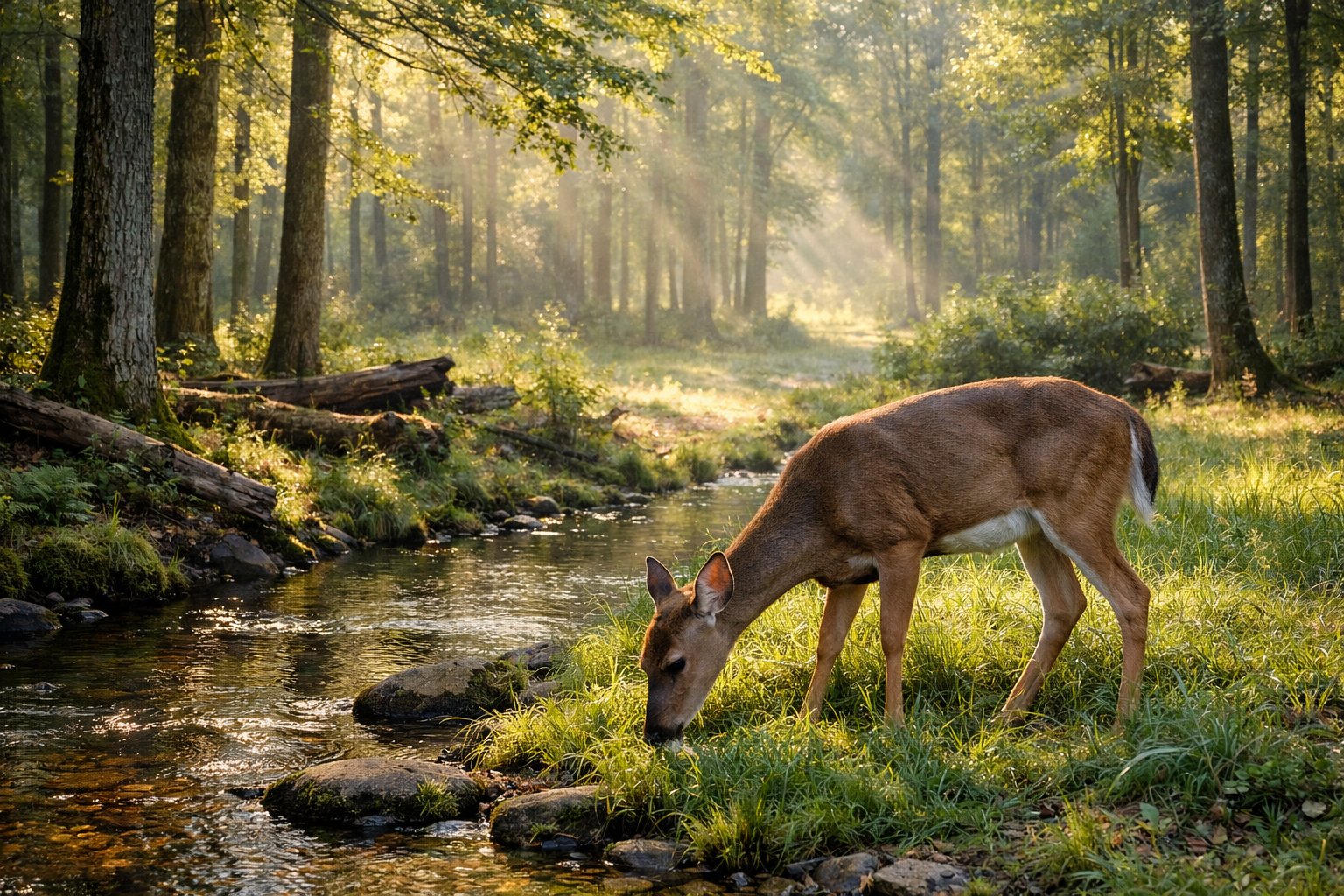
Natural dangers and human changes shape how long deer live. Captive deer often outlast their wild cousins by years.
Different species and sexes age at different rates. Curious about which factors cut deer lives short and how wild deer compare to protected ones? Keep reading.
Main Factors Shortening Deer Lifespans
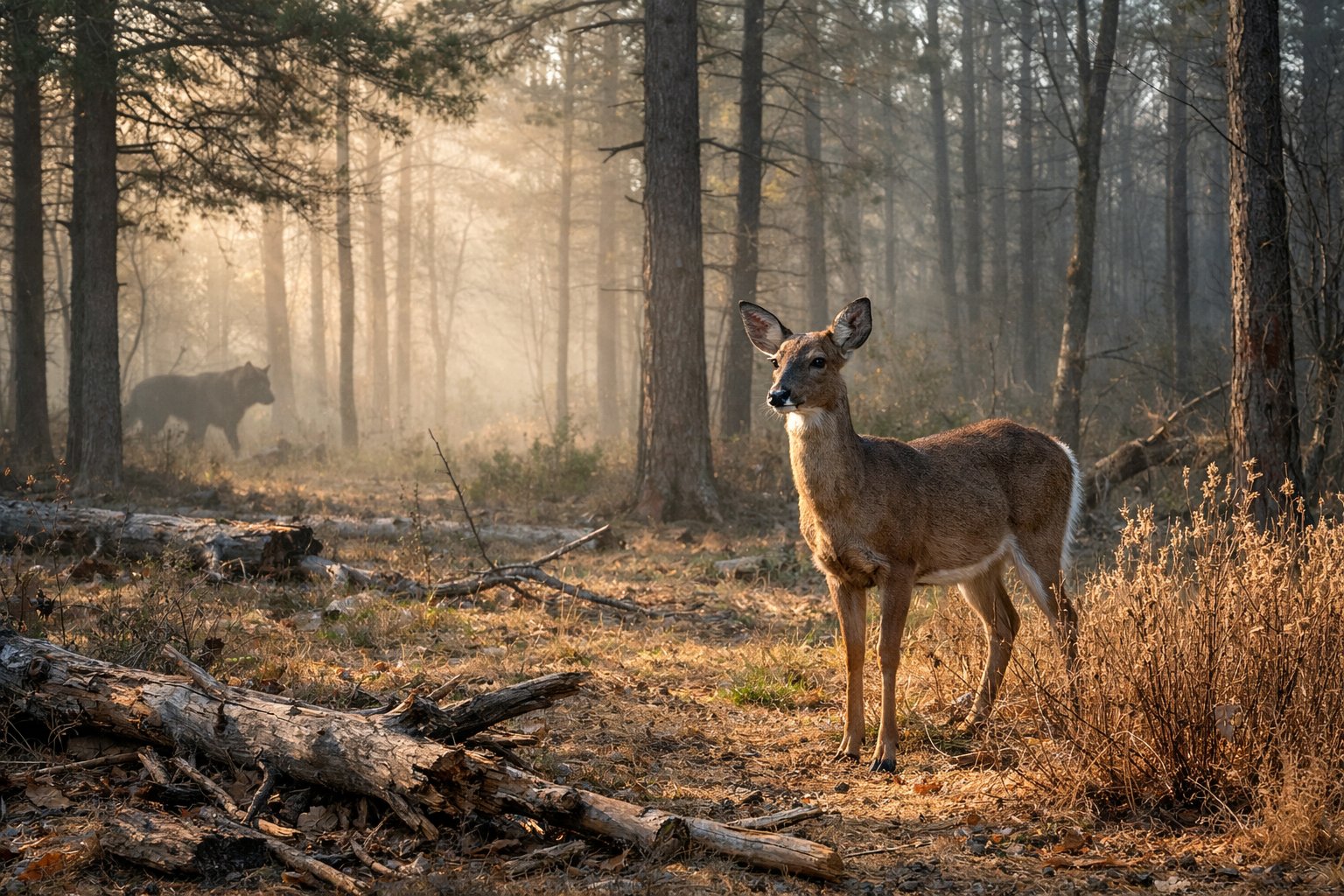
Deer face a lot at once—predators, accidents, hunters, bad weather, and disease. These pressures shape how many deer survive, how old they get, and whether fawns make it to adulthood.
Predation and Natural Threats
Coyotes, wolves, mountain lions, bobcats, and bears snatch up fawns and weakened adults every year. Coyotes especially pick off a lot of fawns in broken-up habitats.
Wolves and mountain lions sometimes go after bigger adults, especially in rough winters or when deer are already struggling. Predators usually target the young, sick, or old, which bumps up fawn deaths and drags down average deer survival.
Habitat plays a big role here. Dense cover can hide fawns from coyotes, but it can also bunch up deer where bigger predators lurk. Predators weed out the weak, which can help keep herds healthy, but when there are too many predators, local deer numbers drop fast.
Hunting Pressure and Human Impact
Hunting seasons and bag limits cut down adult deer numbers and shift the age mix. Regulated hunting helps manage deer populations and can prevent overbrowsing, but heavy hunting means fewer older bucks and does.
People affect deer in other ways too. Cars, habitat loss, and fences kill or injure a lot of deer each year.
Wildlife agencies set hunting rules to balance healthy herds with recreation. If hunting ramps up but habitats don’t support it, deer survival and population health take a hit.
Diseases and Parasites
Chronic Wasting Disease (CWD) is a fatal brain disease that creeps through herds and chips away at long-term survival. It can knock down life expectancy and make management harder by slowly raising adult deaths.
Other diseases like Epizootic Hemorrhagic Disease (EHD) and bluetongue sweep through in bad years, causing sudden die-offs. Parasites and infections—think bovine tuberculosis—also weaken deer, making them easier prey or more likely to get hit by cars.
Look out for signs like skinny deer, weird behavior, or sudden drops in local numbers. Wildlife agencies keep tabs on these diseases to protect both deer and hunters.
Environmental Stressors
Food shortages, tough winters, drought, and shrinking habitats force deer to burn more energy just to get by. Poor nutrition means does have fewer, weaker fawns, and those fawns struggle to survive.
Deep snow limits movement and makes deer easy targets for predators or starvation. That’s a rough combo for survival.
When roads and development break up habitats, deer run into cars more often and lose safe places to hide. High deer density just piles on the problems—disease spreads faster and food gets scarce.
Smart habitat management—like planting food plots or leaving brushy cover—gives deer a better shot at surviving where you live or manage land.
Relevant reading: check out deer lifespan factors and records at Biology Insights, plus the challenges of hunting and disease at ScienceInsights.
Comparing Deer Lifespans: Wild vs. Captivity and Across Species

Deer in the wild rarely get old. Predators, disease, hunting, and rough winters usually catch up to them fast.
Captive deer dodge most of those threats and often live a lot longer.
Average Lifespan of Deer in the Wild
Most wild deer only manage about 3–6 years. White-tailed deer, for example, average around 4–5 years out there.
Bucks usually die younger than does since they take more risks during the rut and get targeted by hunters. Fawns have it the hardest—lots don’t make it past their first year thanks to predators or bad weather.
Habitat quality matters a lot. Poor forests and lousy food mean lower survival. You can watch local trends with trail cameras or harvest reports if you’re curious.
Deer Lifespan in Captivity
Deer in captivity tend to live much longer. With no predators, steady meals, and vet care, some species make it to 10–20 years.
Reindeer and red deer do well in human care, living around 10–11 years on average. Captive life cuts down on disease and starvation.
But not every species thrives in zoos. Roe deer sometimes struggle under human care. Your local zoo or wildlife center can share records for captive deer in your area.
Lifespan Differences Between Species
Species and sex both matter. White-tailed deer, mule deer, red deer, and roe deer all have different averages.
Females (does) usually outlive males (bucks). Red deer and reindeer tend to reach older ages more often than roe deer, no matter where they live.
Size, behavior, and how each species handles stress all play a role. Bigger deer often face fewer predators and live longer. Smaller or more sensitive species, like roe deer, may not last as long—especially in captivity.
Oldest Deer Records and Aging Methods
Most of the oldest deer on record come from captive animals or trophy records. Scottish red deer and a few other big cervids have hit some of the highest verified ages out there.
Wildlife managers and game records sometimes mention extreme ages, but honestly, those cases are pretty rare.
Aging methods really make a difference. At Matson’s Laboratory, they use cementum annuli—basically, growth rings in tooth cementum—to figure out a deer’s age.
Biologists sometimes just guess the age by looking at tooth wear, body size, or jawbone features, but that’s not as reliable. If you want a solid answer, sending samples to a lab for cementum analysis is still the go-to option.


