
Ever wondered if a giraffe is just a giant, long-necked deer? Nope — giraffes aren’t deer at all. They actually belong to their own family, Giraffidae, and they’re closer to other even-toed ungulates than to true deer.
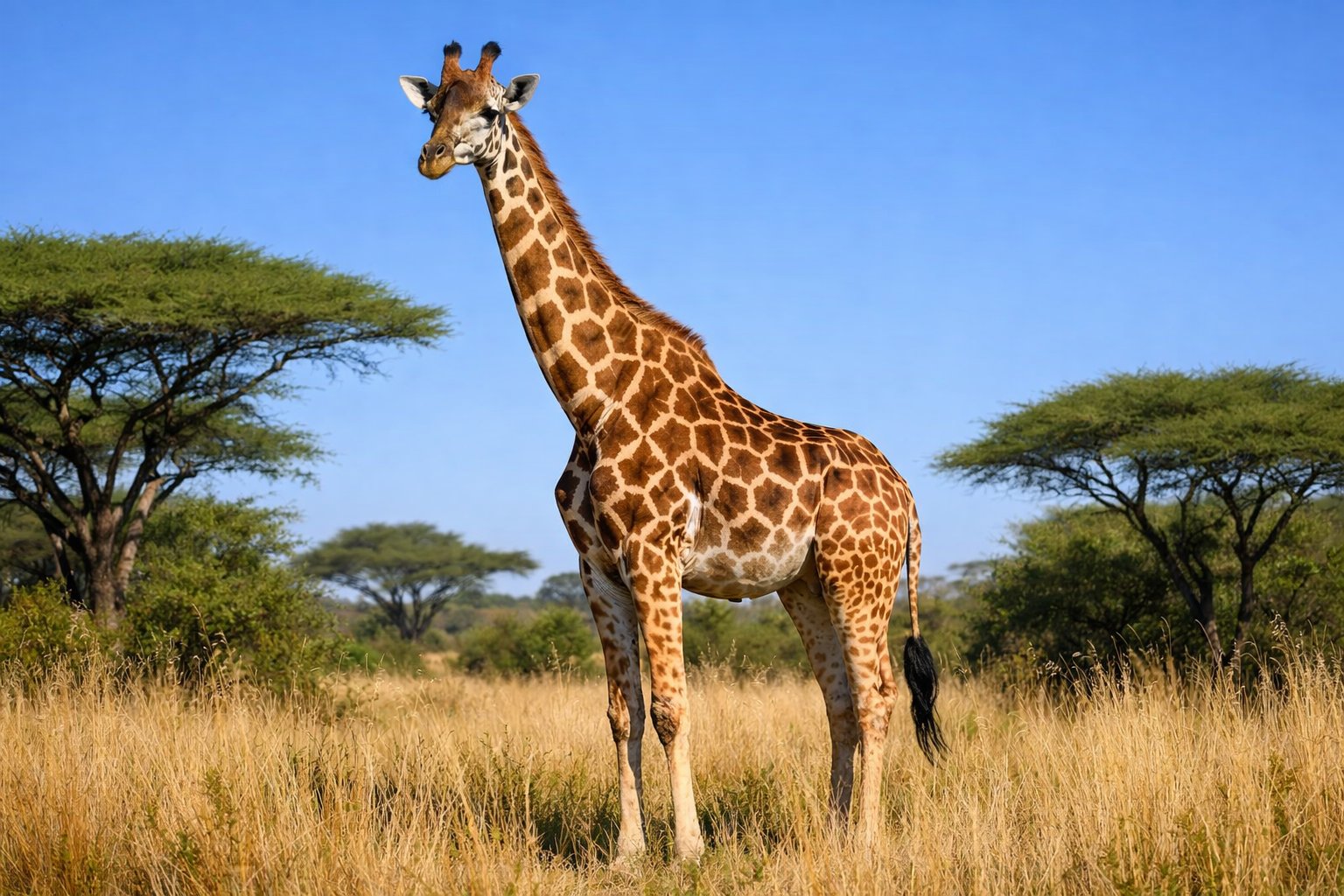
Let’s dig in a bit. Scientists sort animals into families, and while giraffes and deer do share a few traits, they’re pretty different once you look closer. This article explores how they’re classified, why people mix them up, and where giraffes fit among hoofed mammals.
Are Giraffes Considered Deer?
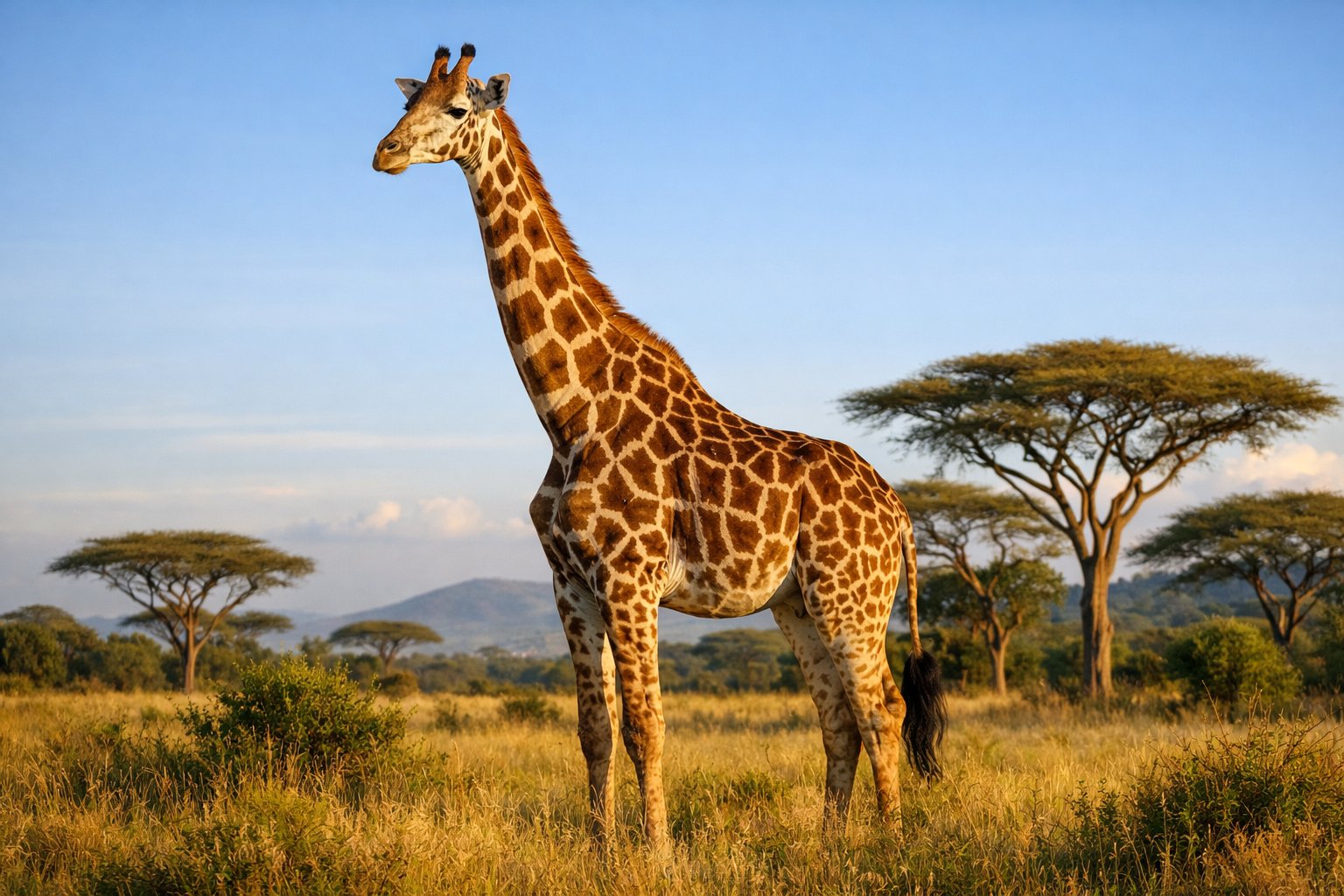
Giraffes aren’t deer, even though they’ve got some things in common with deer and other hoofed animals. They belong to a totally different family and have features like ossicones and those famously long necks.
Key Similarities and Differences Between Giraffes and Deer
Both giraffes and deer are mammals. They’re herbivores, and both chew cud as ruminants.
They’re also even-toed ungulates, so they walk on two main toes. That puts them in the order Artiodactyla.
But here’s the big difference: their families. Giraffes are in Giraffidae, while deer are in Cervidae.
Only giraffes and okapi make up Giraffidae. Cervidae covers all the antlered species, like white-tailed deer and elk.
You can spot the difference right away. Deer grow antlers that drop off every year. Giraffes have ossicones—those little skin-covered bony knobs—that stay put for life.
Giraffes have way longer necks, and their bodies are shaped nothing like any deer you’ll see.
Why the Confusion Exists
People often think giraffes are some kind of deer because both are hoofed, ruminant herbivores. At a glance, they can seem similar.
Plus, early giraffe fossils looked more like deer, which just adds to the mix-up.
Both groups sit in the infraorder Pecora, so they do share a distant ancestor.
That’s why their digestive systems and hooves have some overlap, but they split into different families long ago.
Everyday language doesn’t help. Folks might call any hoofed, antlered, or horned animal a “deer” in passing.
But when you look at scientific names and families, giraffes and deer stand apart.
Giraffe Relatives and Close Connections
The okapi is the giraffe’s closest living relative. Both are in the Giraffidae family.
Okapis look pretty different—shorter necks, zebra-like stripes—but they share key bones and genes with giraffes.
Other relatives in the Pecora group include deer, cattle, antelope, and sheep.
All of them are even-toed ungulates and ruminants, so they’ve got similar hooves and stomachs.
If you look at evolution, you’ll find old giraffids and antelope-like ancestors linking these families.
That’s why you’ll notice some similarities, but giraffes and deer still belong in separate families.
Taxonomy, Evolution, and Family Tree

Giraffes aren’t deer, but they do share distant roots with them. Let’s see where giraffes fit in the big group of even-toed hoofed mammals and what makes their family stand out.
Scientific Classification of Giraffes and Deer
Giraffes fall under Kingdom Animalia, Phylum Chordata, Class Mammalia, and Order Artiodactyla.
Within Artiodactyla, giraffes are in the family Giraffidae and the genus Giraffa.
Modern giraffes go by names like Giraffa camelopardalis (the old catch-all), and today, scientists split them into several species: Masai giraffe (Giraffa tippelskirchi), reticulated giraffe, northern giraffe, and southern giraffe.
Some experts see four main species, each with their own subspecies, like the Angolan giraffe.
Deer sit in the family Cervidae. They share the same class and order as giraffes, but they’re in a different family with loads of genera and species—elk, moose, reindeer, white-tailed deer, and more.
The biggest difference? Cervids usually have branched antlers and different skulls and teeth.
Evolutionary Relationships Within Artiodactyla
Artiodactyla pulls together even-toed hoofed mammals—think cattle, goats, sheep, antelopes, bison, and hippos.
Giraffids and cervids both land in the ruminant clade Ruminantia, which means they digest plants with a multi-chambered stomach.
Fossils show early giraffid relatives like Helladotherium from the Miocene, plus older ancestors across Eurasia and Africa.
Those ancient giraffids looked more like deer or antelope before giraffes evolved their crazy-long necks and legs.
Genetic studies connect giraffes, okapi, deer, and bovids, but these family lines split off tens of millions of years back.
Giraffe Family: Giraffidae, Okapi, and Subspecies
Giraffidae today has just two living genera: Giraffa and Okapia.
The okapi (Okapia johnstoni) lives deep in the Congo, with a short neck and a pretty solitary lifestyle.
Okapis show off the family’s shared quirks: ruminant digestion, long tongues, and those skin-covered ossicones.
Giraffes have distinctive coat patterns that help tell species and subspecies apart.
Masai giraffes have different spots than reticulated giraffes, for example.
Conservationists now recognize several giraffe species and subspecies, each tied to a specific region in Africa.
These differences matter for protecting populations as they face threats like habitat loss and poaching.
How Giraffes, Deer, and Other Ungulates Are Related
You can trace how these animals are related by looking at their anatomy and DNA.
Scientists group ruminants—like giraffes, deer (Cervidae), bovids (such as cattle, goats, sheep, and antelopes), and pronghorns—under Ruminantia.
They all have some pretty distinct things in common: even-toed feet, specialized stomachs that ferment plants, and, of course, plant-based diets.
If you look outside the Artiodactyla group, animals like zebras and horses (Order Perissodactyla, the odd-toed ones) branched off earlier in mammal evolution.
Their foot structures are different, too.
And here’s something unexpected: whales and hippos actually share a closer link than you’d think.
Molecular studies put hippos closer to cetaceans than to other hoofed mammals.
So, “deer” refers to a specific family, while giraffes sit in a separate but still related family within that bigger order of even-toed mammals.


