
Honestly, a deer’s favorite thing shifts with the seasons and whatever’s growing nearby. Still, one answer really stands out: deer just love tender, young leaves, fruits, and nuts when they can get them. That’s probably why they keep showing up in gardens, orchards, and food plots where these treats grow.

If you want to attract deer or protect your plants, knowing this basic preference lets you plan ahead. Let’s dig into what deer go after in different seasons and which foods seem to draw them in most.
What Is a Deer’s Favorite Thing?
Deer chase after foods that give them fast energy, help them build fat for winter, and supply protein for growing antlers and bodies. When nuts, fruits, and leafy crops are in season, you’ll notice deer going straight for them.
Why Deer Love Acorns Most
Acorns from oak trees—especially white oak acorns—pack the carbs and fats deer crave in the fall. When oak trees drop a big crop, deer head there first.
You’ll spot them pawing through leaves to find hidden acorns or feeding under oaks at dawn and dusk.
Not every acorn tastes the same. White oak acorns are sweeter and easier to digest than many red oak acorns, so deer usually pick them over others. Hunters and wildlife managers call these “hard mast” because they’re durable nuts that can last and feed deer through winter.
When acorns run low, deer also eat beech nuts, chestnuts, and hazelnuts. But if there’s an acorn boom, you can bet those will be the main event, shaping where deer move and how much weight they gain before the cold sets in.
Apples, Persimmons, and Favorite Fruits for Deer
Fruits, or “soft mast,” give deer a quick sugar rush and some hydration. Wild apples, crabapples, and persimmons lure deer into orchards, pastures, and even old homesteads.
You might catch deer on their hind legs, stretching for ripe fruit.
Apples and persimmons are loaded with natural sugars, so deer grab them for fast energy, especially in late summer and fall. These fruits keep deer close to steady food sources, which sometimes means a lot of feeding damage right where fruit trees grow.
Berries like blackberries and raspberries show up in summer, giving deer smaller, frequent snacks. If you’re curious about more details on their favorite fruits, check out this guide on what deer eat and favorite foods.
Clover, Alfalfa, and Protein-Rich Foods
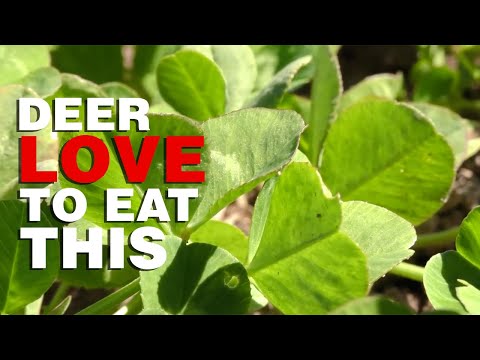
Green, leafy forbs and crops give deer the protein they need for antler growth and healing. Clover and alfalfa are top picks because they’re easy to digest and gentle on a deer’s mouth.
You’ll spot deer grazing in clover patches and alfalfa fields, especially in spring and early summer.
White clover can hit impressive protein levels, so even small patches pull in a lot of deer. Alfalfa fields offer steady nutrition and often hold deer throughout the day.
Farmers sometimes notice heavy browsing near these crops, especially if there’s cover nearby, since deer want food and safety.
If you’re hoping to help local deer, adding clover and alfalfa to your plans is a smart move. They fill in the protein gap left by nuts and sugary fruits.
Seasonal Shifts in Favorite Foods
Deer change their diet as plants come and go. In spring, they munch on young buds, forbs, and clover for protein.
Summer brings more forbs and berries—good for hydration and calories.
Fall is all about hard mast like acorns and hazelnuts, plus soft mast like apples and persimmons. These foods help deer build up fat for winter and support antler growth.
When winter arrives, deer switch to woody browse—twigs, buds, evergreen needles—since most other foods are buried or gone.
If you keep an eye on local oak crops and fruiting times, you’ll have a better shot at predicting where deer will show up. When acorns are scarce, deer might move into corn, soybean, or sunflower fields for calories, which can increase run-ins with people.
Other Top Deer Favorites and Food Preferences

Deer pick foods that pack calories, offer protein, and are easy to reach. As the seasons change, they move from high-energy crops to leaves and woody browse.
Why Deer Choose Corn, Soybeans, and Grains
You’ll spot deer in corn, soybean, and small-grain fields because these crops are rich in calories and easy to eat. Corn gives them energy-dense kernels in the fall and plenty of leftover grain after harvest.
Soybeans pull deer in when the plants are green and again when the dry pods crack open late in the year.
Winter wheat, oats, and rye draw deer in spring and fall when the new shoots are soft and tasty.
If you hunt or manage land, keep an eye on harvest times and field edges. Deer often feed where crops meet the woods. Planting clover or brassicas near grain plots can hold deer longer.
Heavy browsing can hurt young crops, though, so it’s smart to check with farmers before counting on fields as a food source.
Browsing: Leaves, Twigs, Buds, and Shrubs
Local deer rely on browse—leaves, twigs, and buds—especially when crops and soft plants vanish. Dogwood, sumac, maple, and young saplings give them the fiber and nutrients they need.
Deer eat tender shoots on shrubs and the buds of aspens or oaks in late winter and early spring.
Browse grows in forests, along edges, and in cutover areas. Forbs and grasses feed deer in summer, but when frost or snow hits, deer switch to woody browse.
If you’re managing habitat, keep a mix of low shrubs and young trees so deer can easily reach leaves and twigs.
Fruits, Berries, and Garden Delicacies
Fruits and berries show up as seasonal treats that pull deer straight into orchards and backyards. Apples, pears, persimmons—plus raspberries and blackberries—turn into high-value snacks when they’re ripe or just lying on the ground.
Deer won’t hesitate to munch on garden favorites like hostas or daylilies. If they stumble across mushrooms or other fungi, they’ll nibble those, too.
If you’ve got prized garden plants, you might want to put up fencing or try repellents, especially if deer wander through often. Out in the wild, fruit trees and berry patches give deer a chance to pack on fat before winter hits.
Watch those mast crops—acorns, beechnuts, chestnuts. When trees drop a big crop, deer will shift where they feed, and you’ll probably notice them hanging out in new spots.


