
If you drive in rural or wooded areas, especially from October to December, you face a real risk. On average, drivers in high-risk states see odds anywhere from about 1 in 50 to 1 in 800, depending on where and how often they drive. The risk jumps during deer mating season and low-light hours.

Knowing when and where deer cross can really cut your risk. The rest of this article digs into how your odds change by location and time, and gives you some straightforward habits to help avoid a collision.
How Likely Are You to Hit a Deer?
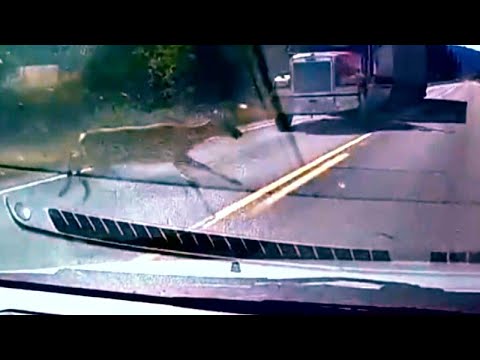
Where, when, and how you drive all matter a lot for deer collisions. You’re at higher risk in rural, wooded spots and during dusk-to-dawn hours in fall and winter.
Odds of Hitting a Deer by State
Some states rack up way more deer-vehicle crashes than others. Insurance studies show states with dense forests, lots of deer, and rural roads top the charts. West Virginia, Montana, South Dakota, Michigan, and Wisconsin usually land at the top for animal strike claims. In those places, animal-related claims can be as frequent as one in a few dozen.
States like Nevada, Arizona, and Hawaii—places with deserts or hardly any deer—have much lower odds. Your own risk depends on how many deer live nearby, how much you drive on rural roads, and seasonal patterns that make deer move around more.
High-Risk Times and Seasons for Deer Collisions
You’re most likely to hit a deer from October through December, with the biggest spike in November. That’s mating season, so deer cross roads more often.
Deer move most at dusk and dawn. They’re crepuscular, which means they’re active in low light, so poor visibility plus moving deer makes for a risky combo. Rain, fog, and glare from headlights or the sun make it even harder to spot them.
Factors That Increase Deer-Vehicle Collision Risk
Several things make deer crashes more likely: high local deer numbers, long stretches of rural or wooded roads, and highways that slice through habitats. Driving faster cuts your reaction time and makes any crash worse.
How you drive matters too. If you’re distracted, don’t use high beams when you should, or swerve suddenly, you boost your risk. Pay extra attention in spots with deer crossing signs or if you know animal strikes have happened there recently.
Common Locations for Deer-Related Accidents
Most deer crashes happen on two-lane rural roads and along road edges near forests, wetlands, or fields. Intersections near woods and highways crossing migration routes see more crashes too.
You’ll want to watch for deer near waterways, corridors, and spots where thick plants hide animals close to the road. If you see one deer, slow down and keep scanning—others might be right behind.
- Tip: When you spot a deer, brake firmly and stay in your lane.
- Tip: Use high beams when it’s safe and legal to see better at night.
For more detailed maps and state-by-state risk, check out annual deer collision reports from major insurers.
How to Reduce Your Chances of Hitting a Deer

Slow down in deer country, especially at dawn and dusk, and scan the road edges for glowing eyes. Use your headlights right, keep a safe distance from the car ahead, and always buckle up. It pays to know what to do if a deer jumps out and how your insurance handles deer crashes.
Safe Driving Techniques for Deer-Prone Areas
Drop your speed to the posted limit or even a little below when you see deer signs. Slower speeds give you more time to brake and spot groups of deer that might follow each other. Leave extra space behind the car in front so you have time to stop if they slam on the brakes.
Watch the road edges, especially where trees or brush meet the shoulder. Look for movement or the glow of eyes. If you spot one deer, expect more—they usually travel in groups. Sometimes a quick honk can warn them off.
Don’t swerve hard into oncoming traffic or off the road. If you can’t avoid a crash, braking in a straight line is usually safer. Always wear your seat belt just in case.
Optimal Use of Headlights and High Beams
Flip on your high beams at night on rural roads when there’s no one else around. High beams help you spot deer sooner so you can slow down. Just remember to dim them for oncoming cars.
Keep your headlights clean and aimed right. If your bulbs are old or dim, swap them for brighter LED or HID ones to see better at night. Properly aimed lights cut down glare and help you spot animals sooner.
Don’t count on deer whistles or gadgets—there’s not much proof they work. Good driving habits and solid lighting make a bigger difference.
What to Do If a Deer Appears Suddenly
If a deer runs in front of you, hit the brakes hard while staying in your lane. Swerving often leads to worse crashes, so try to avoid that. Braking in a straight line can lower your speed and the damage if you do hit the animal.
Once you’ve stopped, turn on your hazard lights and, if it’s safe, pull off the road. Don’t touch an injured deer; they can react unpredictably. Call the police if the animal blocks traffic or if someone gets hurt.
If you hit a deer, snap some photos of the damage and the scene if you can do it safely. That’ll help with insurance and police reports.
Insurance Coverage After a Deer Collision
First, check if your auto insurance actually includes comprehensive coverage. Usually, comprehensive coverage pays for damage when you hit an animal.
Collision coverage might help if you swerve to avoid a deer and end up hitting something else, but it really depends on your policy.
Call your insurer as soon as you can. Take photos and jot down any police report number if you have it.
You’ll probably have to pay your deductible if you file a comprehensive claim for the damage. Not sure what your policy covers? Reach out to your agent or just flip through your policy documents.
Deer strikes tend to spike in the fall, according to insurance industry data. If you live somewhere that’s considered high-risk, maybe ask your insurer about discounts or different policy options that could help with repair costs after an animal strike.


