You can eat deer meat and get a lean, nutrient-rich protein that often beats beef for lower fat and higher iron. If you source and handle venison properly, you’ll get high protein, B vitamins, and iron with fewer calories and less saturated fat than typical red meats.
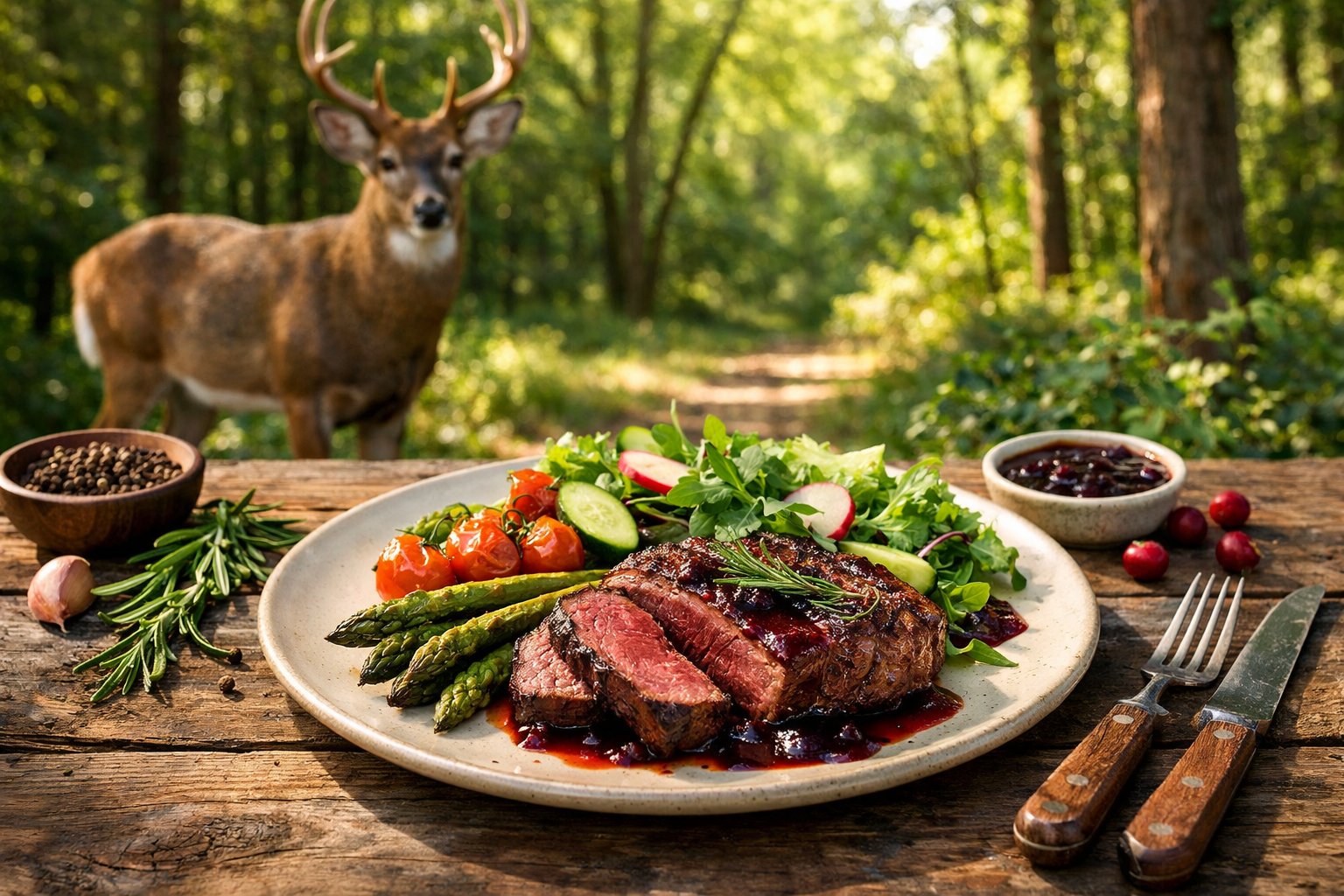
Maybe you’re curious how venison stacks up against beef or chicken, or wondering when it fits heart and weight goals. You’ll want to know which cooking styles keep it tender and healthy, too.
Don’t skip the safety steps—like checking for Chronic Wasting Disease and making sure you cook ground venison thoroughly. That way, you get the good stuff without extra risk.
Let’s look at the nutrition breakdown, some easy cooking tips, and a few practical precautions so you can add deer meat to your meals with a bit more confidence.
Nutritional Profile and Health Benefits of Deer Meat

Deer meat (venison) gives you a lot of protein with fewer calories and less fat than most beef. It also brings key B vitamins, iron, zinc, and a bit of omega-3s to support energy, immunity, and muscle repair.
Lean Protein and Amino Acid Content
Venison packs in lean protein. A 100 g serving of cooked venison gives you about 25–27 g of protein, with a solid amount of essential amino acids you need for muscle repair and immune health.
Because venison is low in fat, you get more protein per calorie than you’d find in many beef or pork cuts. That’s handy if you want to build or keep muscle and still watch your calories.
Key points:
- High-quality protein with all essential amino acids.
- Protein per 100 g (cooked): about 25–27 g.
- Lower in total and saturated fat compared with a lot of red meats.
Venison works well for active folks, older adults, and anyone after a high-protein, lower-fat diet.
Essential Vitamins and Minerals
Venison brings several B vitamins that help turn food into energy and keep nerves and blood healthy. It’s especially good for vitamin B12, niacin (B3), riboflavin (B2), and vitamin B6.
You’ll also get minerals: heme iron (which your body absorbs more easily than plant iron), zinc for immunity, phosphorus for bones and energy, selenium as an antioxidant helper, plus small amounts of copper and potassium.
Quick table (typical cooked 100 g portion):
- Vitamin B12: covers a big chunk of your daily need
- Niacin (B3): solid contribution
- Iron (heme): helps red blood cell production
- Zinc: supports immunity and wound healing
If you’re low on iron or B12, venison makes a practical choice. Wild deer and grass-fed animals sometimes have a little more omega-3s and a few extra vitamins than grain-fed livestock.
Heart Health and Cholesterol
Venison has less total fat and saturated fat than many common beef and pork cuts. That means you’ll usually take in less saturated fat if you swap venison for fattier red meats.
You’ll also get some unsaturated fats and a better omega-6 to omega-3 ratio than what you’d find in grain-fed meats. That may help your heart, especially if your diet’s balanced overall.
What this means for you:
- Less saturated fat can help with LDL cholesterol if you’re also making other heart-healthy choices.
- Some CLA and omega-3s in venison might offer a small edge for your heart over typical grain-fed meats.
Stick to lean cuts and try grilling or roasting instead of frying or heavy sauces if you want to keep things on the healthier side.
Weight Management and Nutrient Density
Venison’s nutrient-dense, so you get more vitamins and minerals per calorie than with many other meats. That’s a plus if you’re trying to lose weight or keep it steady but still want good nutrition.
High protein and low fat help you feel full, which makes it easier to skip snacks and cut back on calories.
How venison can help with weight:
- High protein keeps you satisfied between meals.
- Fewer calories per portion means you can eat a decent amount and not overdo it.
- B vitamins and iron support your energy and metabolism, so staying active feels easier.
Pick lean cuts and simple prep to hold onto the benefits. Skip the heavy sauces or frying if you can.
Want more details? Check out this nutritional breakdown for venison and see how it compares to other meats: Nutritional advantages of venison and its nutrient-dense profile.
Precautions and Safe Consumption
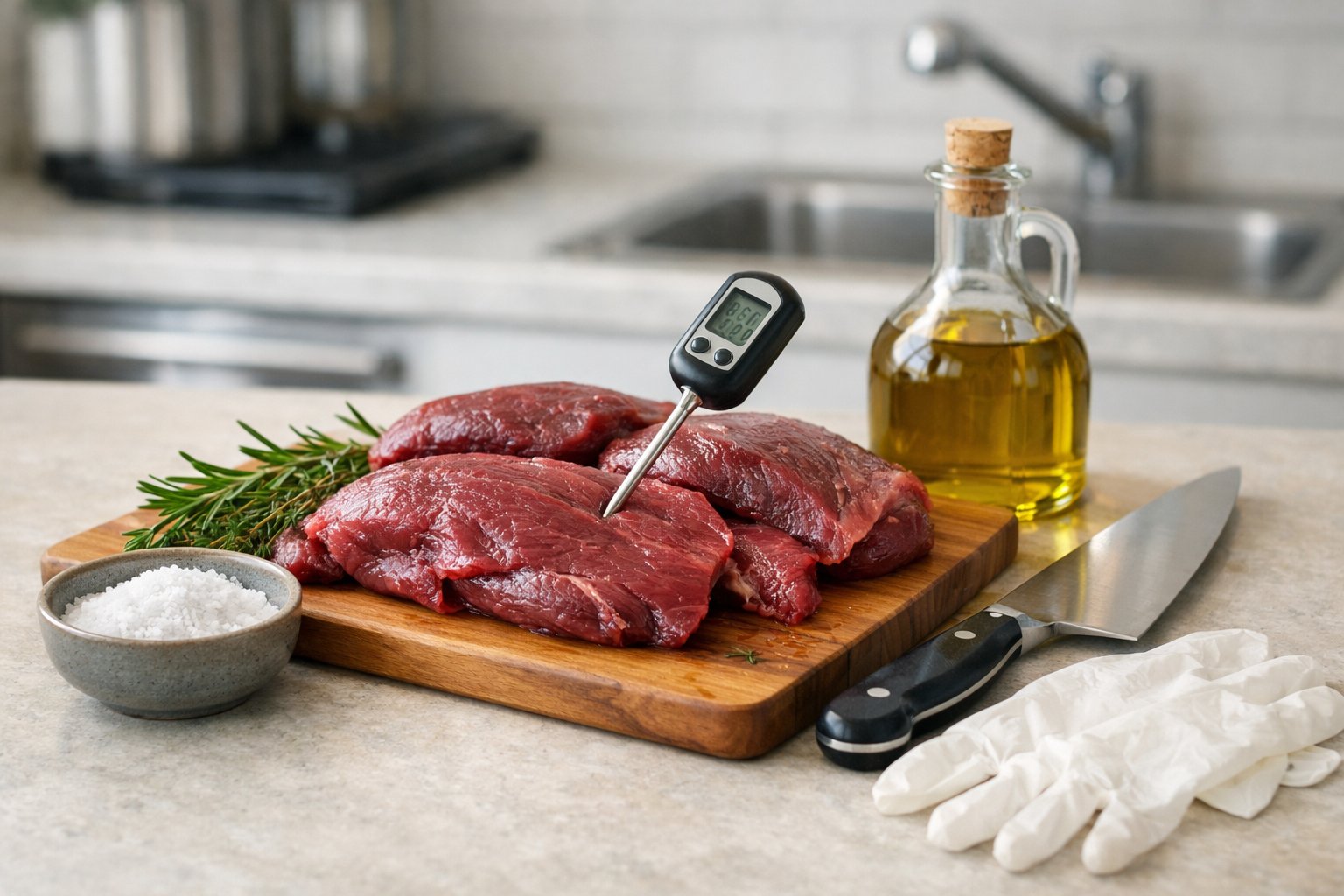
Deer meat can be a great addition, but you need to handle, source, and cook it with care. If you follow a few clear steps, you’ll lower risks from disease, lead, and bacteria and keep your meals safe and tasty.
Chronic Wasting Disease and Prion Risks
Never eat meat from deer that test positive for chronic wasting disease (CWD). CWD is a prion disease that affects the brain and nervous system of deer, elk, and moose. No human cases have been confirmed, but health agencies still recommend caution.
If you hunt in a CWD area, get the deer tested before you eat it. Avoid high‑risk tissues like brain, spinal cord, eyes, spleen, and lymph nodes.
Wear gloves when field dressing and try not to touch the spine. Follow local wildlife agency rules to dispose of carcasses. Use separate knives and tools for animals from CWD zones and clean them with a bleach solution.
Lead Contamination and Safe Sourcing
Lead fragments from bullets can end up in the meat near the wound. To lower your risk, use non‑lead ammo like copper bullets when hunting deer. If you do use lead, cut away several inches of meat around the wound channel.
If you’re unsure, professional processors can X‑ray the meat to check for fragments. Meat from farm-raised venison or trusted processors is usually safer, since those animals aren’t exposed to lead from hunting.
Kids and pregnant people should avoid meat from animals shot with lead. Always check local advisories and follow state guidance for sourcing and eating venison safely.
Proper Field Dressing and Cooking Practices
Field dressing right away helps cool the meat and slows down bacteria. After the kill, remove the organs quickly, try not to puncture the intestines, and pack the cavity with ice if possible. Clean your knives, gloves, and surfaces often.
Different cuts need different cooking: cook ground venison to 160°F (71°C). Steaks and tenderloin can go to 145°F (63°C) for medium‑rare, but many suggest 160°F for safety. Use a meat thermometer to make sure you hit the right temp.
Tougher cuts like shoulder do better with braising or stewing, which makes them tender and ensures they’re cooked through. Marinating with herbs like juniper, rosemary, or thyme adds flavor and can help with tenderness. Let cooked meat rest a few minutes before slicing—trust me, it’s worth it.
Common Foodborne Illnesses and Prevention
Bacteria like E. coli and Salmonella sometimes sneak into venison during field dressing or processing. You can help avoid cross-contamination by grabbing a separate cutting board and washing your hands after handling raw meat.
If you’re grinding venison, clean the grinder well. Some folks like to mix in pork or beef fat to add a bit of moisture.
Keep fresh venison chilled at or below 40°F (4°C). For longer storage, toss it in the freezer at 0°F (−18°C).
Always thaw venison in the fridge instead of leaving it out on the counter. That extra patience pays off.
If the meat smells sour, turns slimy, or changes color, just toss it out. Don’t risk it.
Reheat leftovers to 165°F (74°C) before you eat. That way, you can enjoy venison safely and still get all its nutrients.


