
If you want deer to thrive, you need healthy forests and fields. The biggest threat right now? It’s the steady loss and breaking up of their habitat.
When forests and meadows shrink, or get sliced up by roads and new developments, deer lose food, shelter, and safe places to breed. Their chances of long-term survival drop fast.
Let’s take a look at how habitat loss connects to disease, car crashes, hunting, and other risks that make life harder for deer. You’ll get practical examples that show why protecting connected habitat really matters for deer—and for the landscapes you care about.
Major Threats to Deer Survival
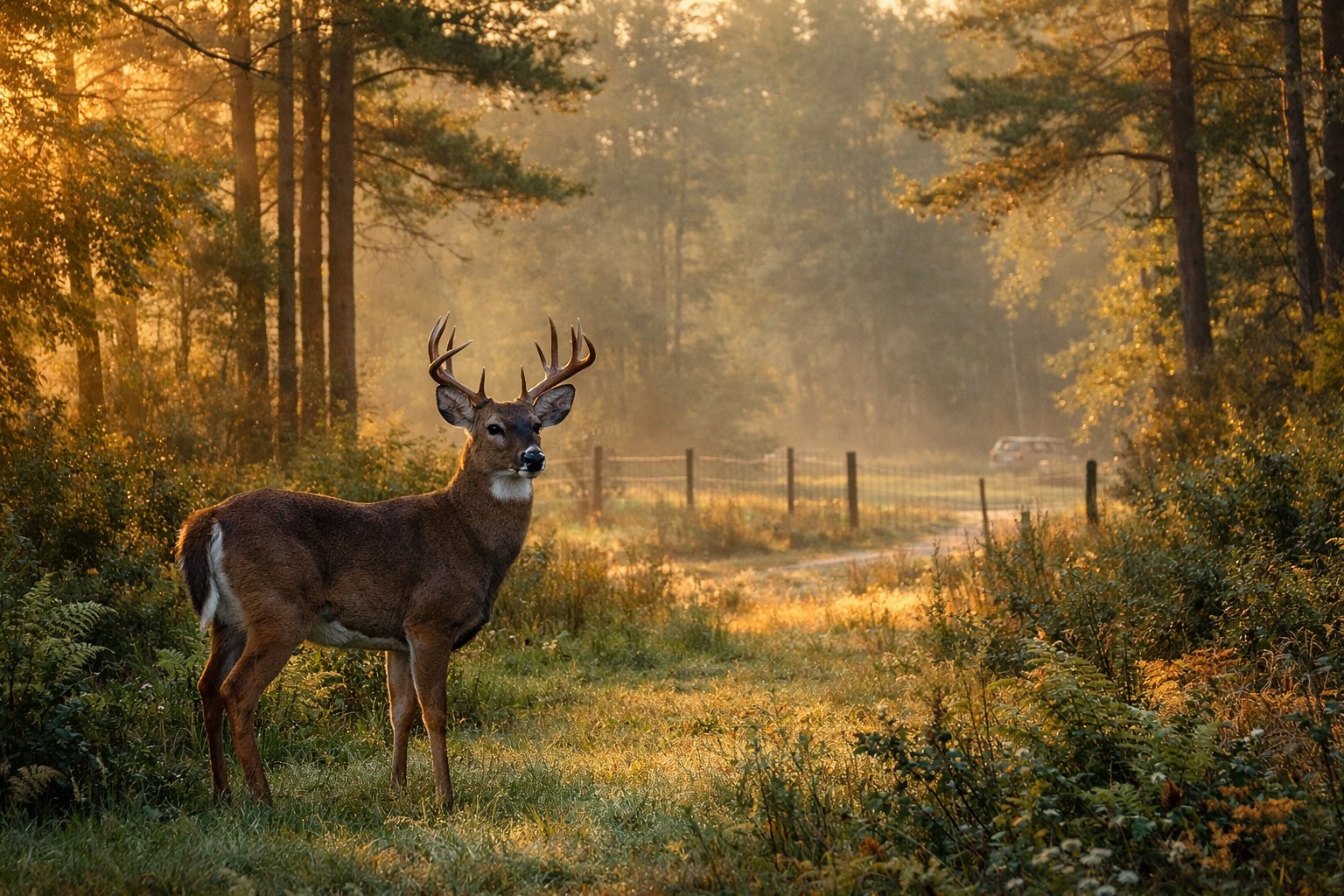
Deer face some big risks that cut into their food, shelter, and health. It’s worth knowing which threats cause the most trouble for fawns and adult deer.
Habitat Loss and Urban Development
Urban growth shreds deer habitat and pushes them into small, isolated patches. Roads, houses, and farms replace forests and meadows, so deer lose cover and reliable food.
Fragmented land means deer cross more roads, which raises the risk of collisions and splits up herds. That hurts genetic diversity.
When green spaces disappear, deer start feeding on gardens and crops. This leads to more conflicts with people and sometimes illegal hunting or removal.
Losing winter browse and migration corridors can leave deer malnourished and more likely to starve during tough winters.
You can help by supporting wildlife corridors, planting native hedges, and protecting woodlands. Local land-use rules that limit sprawl also help cut down road kills and keep breeding grounds safe.
Predation by Natural Predators
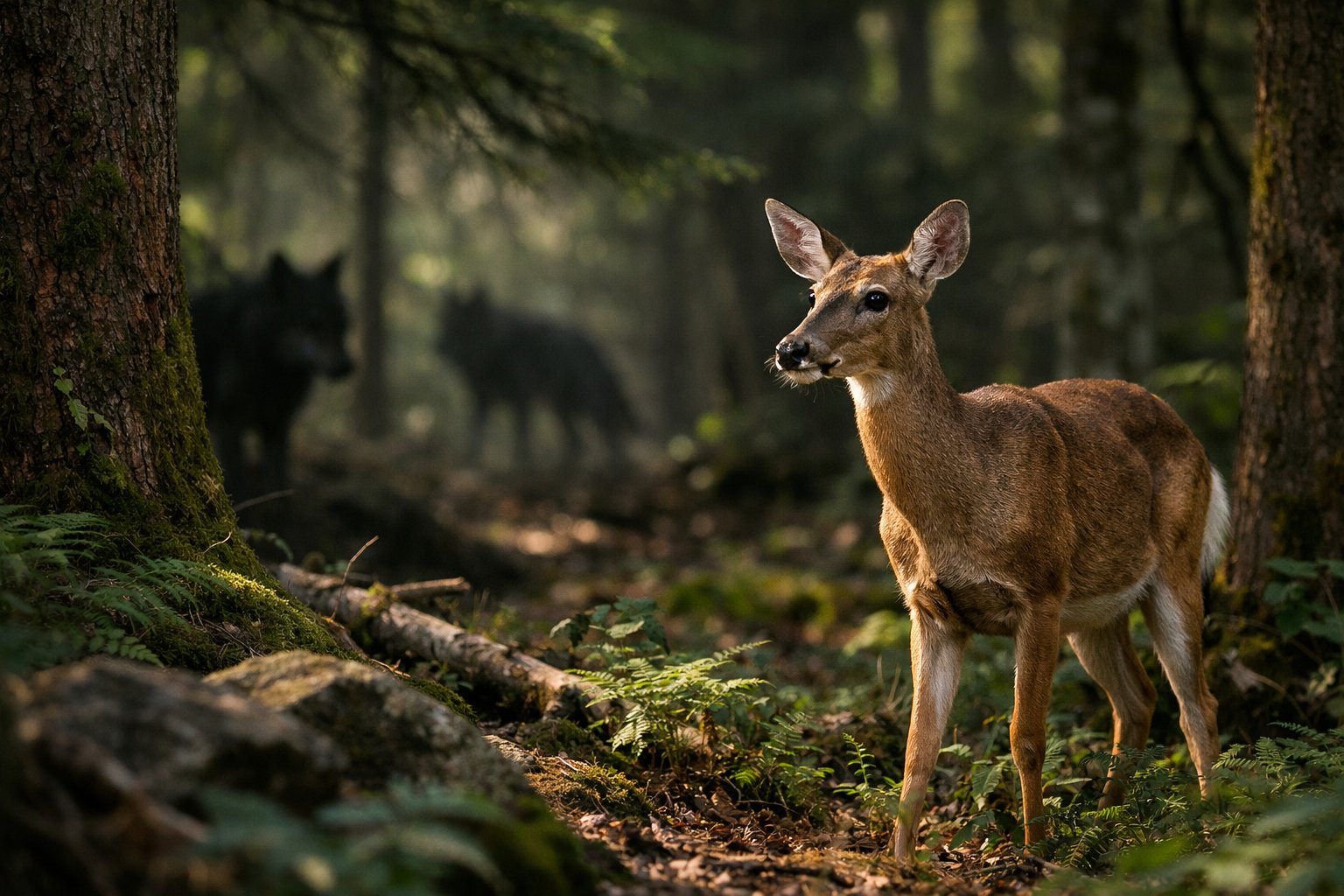
Predators like wolves, bears, coyotes, bobcats, and mountain lions hunt deer, especially fawns. This is nature’s way of keeping deer populations in check, and it usually targets the weak or sick.
In places where big predators stick around, deer herds stay healthier and more balanced.
Fawns run the highest risk during their first few weeks. Coyotes and bobcats grab many fawns near the edges of suburbs and rural areas.
When wolves or mountain lions return, adults can get caught too. That changes how deer move and act.
Healthy predator populations can help reduce overbrowsing and let forests recover. Balancing predator management with deer conservation supports both prey and predators.
Impact of Disease and Parasites
Diseases like Chronic Wasting Disease (CWD) and Epizootic Hemorrhagic Disease (EHD) can spike deer deaths. CWD is a fatal prion disease that spreads when deer touch each other or contaminated places.
EHD, carried by midges, causes sudden die-offs during droughts and hot months.
Parasites and ticks make deer weaker and spread illnesses that sometimes affect pets and even people—think Lyme disease. Heavy parasite loads and repeat infections mean deer stay in poor shape, with lower reproduction and more fawn losses.
If you monitor herds, report sick deer, and follow local hunting and feeding rules, you help limit disease spread. Banning baiting and reducing artificial congregation also lowers the risk and protects deer for the future.
Additional Factors Affecting Deer Populations

Deer numbers rise and fall for all sorts of reasons that affect their food, safety, and homes. You’ll see how winter stress, human-caused risks, too many deer, and wildlife management all play roles.
Harsh Winters and Food Scarcity
Harsh winters slash food sources and boost deer deaths. Deep snow and long cold spells force whitetail deer to burn more energy just to move and stay warm.
When snow covers buds, grass, and acorns, deer turn to woody browse that doesn’t have enough calories. Fawns and older deer take the hardest hit; you might notice more winter kill after tough, cold years.
Bad weather also drains body fat before spring arrives. Where native plants and mast trees are scarce, some people use supplemental feed, but that can spread disease like CWD and mess with deer behavior.
Good habitat management—protecting oaks, keeping mixed-age forests, and cutting back invasive shrubs—helps deer find winter food naturally.
Human Activities and Deer-Related Collisions
Your daily routines and land choices change deer survival. Roads that cut through deer habitat make car crashes more likely, killing deer and sometimes injuring drivers.
Suburban landscaping and crop fields attract deer, pulling them closer to roads and raising the odds of collisions.
Development splits up habitats and forces deer to cross more streets for food. You can help by driving slower in deer zones, watching for wildlife signs, and backing wildlife corridors that link up green spaces.
Wildlife agencies and local planners work on better road designs, fencing, and underpasses on busy routes to reduce crashes on public lands and highways.
Deer Overpopulation and Forest Ecosystems
Too many deer can wreck the forest and their own food supply. Where predators are missing, deer overpopulation leads to heavy browsing.
You might see fewer young trees, less understory, and damage to native plants. That weakens forest regrowth and lets invasives like Japanese barberry take over, which hurts habitat for lots of species.
Overbrowsing cuts down food choices for deer themselves. Young oaks, maples, and shrubs don’t grow back, so future mast and cover decline.
Managing deer numbers protects native plant communities. In forests and national forests, targeted habitat work and regulated hunting aim to bring balance back so forests can recover.
Role of Conservation and Wildlife Management
Conservation and management really shape how deer survive, mostly through direct action and the rules you choose to support.
Wildlife agencies set harvest limits, seasons, and license requirements to keep deer numbers in check. They use regulated hunting as a main tool to prevent overpopulation and protect habitats. That hunting also brings in money for conservation efforts.
On public lands, managers create food plots and work to keep mast-producing trees healthy. They also pull out invasive plants that crowd out native ones.
Some education programs show landowners how to plant native species and cut down on things that attract deer near roads. You might get involved by following hunting rules, joining a habitat project, or just backing the agencies that watch for diseases like CWD and adjust their strategies to protect both deer and the forests.


