
You can enjoy deer meat as a healthy, lean protein if you pick and prepare it with care. Venison usually gives you more protein, fewer calories, and higher amounts of certain nutrients than most farmed meats. Still, safe sourcing and proper cooking matter a lot.
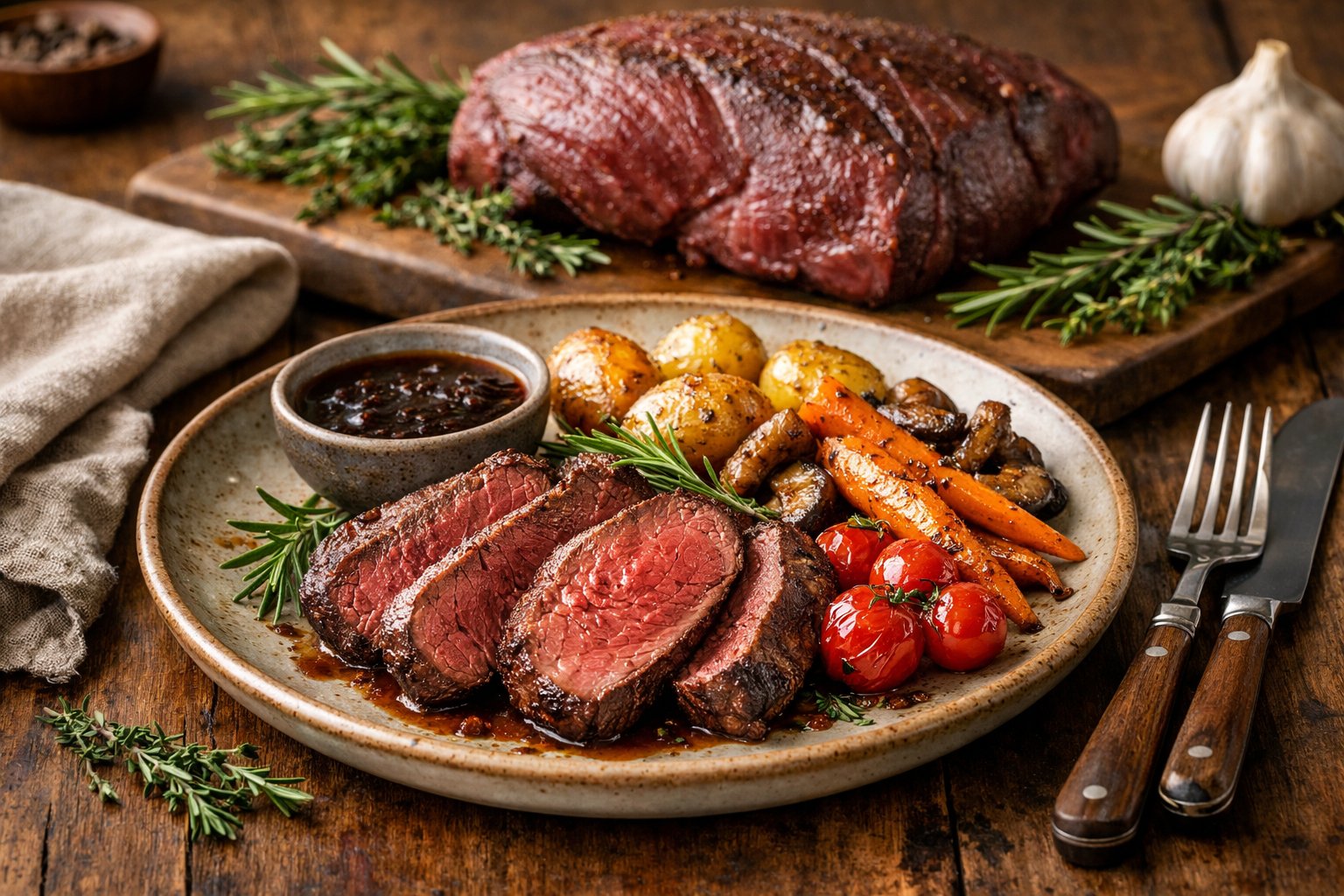
Let’s look at what makes venison nutritious, what risks to keep in mind, and some simple steps for safe, tasty meals. If you’re curious about how to pick, cook, and enjoy deer meat with confidence, stick around.
Is Deer Meat Good or Bad for Health?

Deer meat gives you a lean, nutrient-dense protein with fewer calories and less fat than most farmed red meats. It also brings some key vitamins and minerals that help your energy, immune system, and muscle repair.
Nutritional Profile of Venison
Venison is high in protein and low in fat. A typical 3-ounce cooked venison steak has about 20–25 grams of protein, which covers a big chunk of your daily needs for muscle repair and feeling full.
You get iron in the heme form, which your body absorbs well. Venison also has B vitamins—especially B12 and niacin—plus zinc and phosphorus, all good for your immune system and bones.
Venison usually has fewer calories and less saturated fat than beef or pork. Wild venison often comes with better omega-3 to omega-6 ratios than grain-fed meats, but the exact numbers depend on the deer’s species and what it ate.
Venison Versus Beef and Pork
If you compare a 3-ounce serving, venison generally has fewer calories and less total and saturated fat than similar cuts of beef or pork. That can make venison a smarter pick if you’re aiming for lower calories and less saturated fat.
Protein is about the same across these meats, but venison might have a bit more iron and less marbling. Beef and pork, especially if grain-fed, tend to have higher omega-6 levels, while wild venison can have more balanced omega-3s.
Watch out for sodium or extra ingredients in cured or processed venison. Ground or mixed venison sometimes includes fattier meats, which changes the nutrition.
Health Benefits of Lean Game Meat
Eating lean venison helps you meet your protein needs without piling on calories or saturated fat. That’s great for weight control and keeping your metabolism and muscles in good shape.
The iron and B12 in venison can help lower your risk of iron-deficiency anemia and boost your energy. Zinc and phosphorus help your immune system and bones.
Wild venison doesn’t have farm antibiotics or added hormones. If you hunt locally, you might also shrink your environmental footprint compared to industrial red meat. Still, you need to handle and cook venison properly to avoid foodborne illness.
Red Meat, Cholesterol, and Heart Health
Saturated fat and processed red meats can raise LDL cholesterol and heart risks if you eat them often. Since venison has less saturated fat, it’s a heart-friendlier red meat than most beef or pork.
Portion size and cooking style still matter. Grilling, broiling, or roasting venison without lots of added fat keeps calories and saturated fat down. Processed venison products—like cured or smoked meats—often have more sodium and less healthy compounds, so maybe keep those occasional.
If you already have heart disease or high LDL, go for lean cuts, keep portions reasonable, and balance venison with veggies, whole grains, and healthy fats like olive oil or fish. For regions with CWD or other wildlife diseases, check local testing advice before eating wild deer meat. If you hunt in higher-risk areas, get your animals tested.
Safety Concerns and How to Eat Deer Meat Safely
You need to handle, process, and cook venison carefully to avoid parasites, bacteria, lead, and prion risks. Trim out wound areas, test for chronic wasting disease in high-risk zones, and cook whole cuts to safe temperatures.
Parasites, Foodborne Illnesses, and Proper Cooking
Parasites and bacteria can make you sick if you don’t handle or cook meat right. Toxoplasma gondii, tapeworms, and other parasites might show up in raw deer. Bacteria like E. coli and Salmonella can get onto meat while you field dress or process it.
Field dress and skin the deer quickly so the carcass cools down. Keep meat below 40°F (4°C) during transport and storage. For whole cuts, cook venison to at least 145°F (63°C) and let it rest for 3 minutes. Ground venison needs to hit 160°F (71°C) since grinding mixes contaminants throughout the meat.
Freezing at home might reduce some parasites, but it won’t reliably kill all germs or prions. Use clean knives and surfaces. Wash your hands after handling raw meat. If the meat smells off, looks slimy, or has weird colors, toss it out.
Lead Contamination and Ammunition Choices
Lead fragments from bullets can end up in meat near the wound, and you might not see them. When you grind meat, you spread any tiny lead pieces throughout, which is especially risky for kids and pregnant people.
Pick non-lead ammo, like copper bullets, to avoid this problem. If you use lead bullets, trim several inches of meat around the wound and skip organs like the liver if they got hit. If you don’t know what ammo was used, stick to whole cuts instead of ground. Don’t rinse the wound area—water can spread lead fragments. Follow local health advice on lead and venison to keep your household safe.
Chronic Wasting Disease and Other Risks
Chronic wasting disease (CWD) is a prion illness that affects deer and elk, especially their brain and nervous system. So far, no one has confirmed it spreading to humans, but health agencies still say to be careful. Don’t eat meat from animals that test positive for CWD.
If you hunt where CWD is a concern, have the head or right samples tested before you eat the meat. Avoid eating brain, spinal cord, eyes, tonsils, or lymph nodes from animals in or near CWD zones. Wear gloves when you field dress and don’t saw through bone. Stick to your state wildlife agency’s rules on testing and disposing of CWD-positive animals.
How to Identify Bad Deer Meat
You’ll usually notice bad venison right away—it smells sour, maybe even like ammonia, or just downright off. Fresh venison, on the other hand, has a clean, almost sweet scent.
Give it a look and a feel. If the surface feels slimy or sticky, or if you spot a grayish or green tint, that’s a red flag for bacterial spoilage.
Touch the meat. Spoiled venison often feels soft, mushy, or tacky, which isn’t normal.
Check the muscle near where you made the shot. If you see a lot of bruising, hair, or bone fragments, it’s best to trim or toss that section.
Sometimes you’ll find weird growths in the organs or meat that’s bloody and discolored. Don’t risk eating it.
Honestly, if you’re not sure, just throw it out. Playing it safe helps you avoid food poisoning and other nasty surprises.
If you hunt in places with contaminant warnings, pay attention to local advice about which parts are actually safe to eat.


