
Ever spot a deer near your yard and wonder if it’s a regular or just passing through? Most deer stick to a familiar home range, coming back to the same food, water, and bedding spots over and over. That makes it a bit easier to guess where they’ll pop up, especially around dawn and dusk.
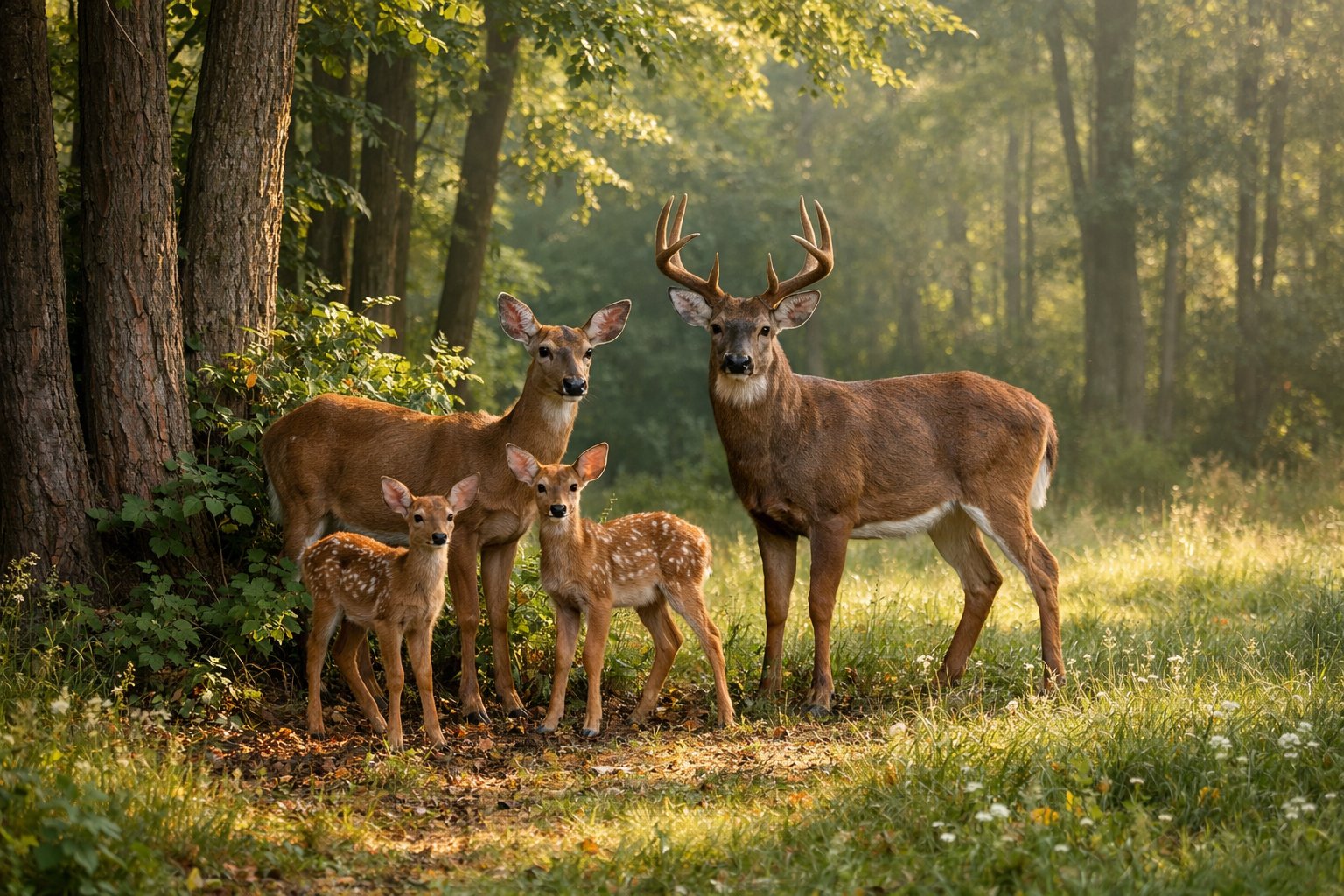
Let’s talk about how deer use their home ranges, why some wander farther, and what makes them move. You’ll pick up some simple signs that a deer group lives nearby and see what things like season, habitat, or the rut do to their movement.
Do Deer Stay Close to Home?

Deer usually stick to a limited area for food, shelter, and water. Most of them spend their time inside a familiar zone, but they still move around every day and with the seasons.
Deer Home Range and Core Area
A deer’s home range covers everywhere it goes over weeks or months. The core area is a smaller spot where the deer spends most of its time—bedding, feeding, and hiding.
You’ll find these core areas near steady food and water, tucked into thick cover that blocks wind and hides them from predators.
White-tailed deer in good habitat often keep their core areas under a square mile. Mule deer and elk usually need more space.
Bucks stretch their range during the rut, but does stick to smaller, steadier home zones for raising fawns. Young bucks often wander farther before settling down.
Daily and Seasonal Deer Movement Patterns
Deer move in short bursts each day, mostly at dawn and dusk. You’ll notice them travel between bedding and feeding spots, sometimes just a few hundred yards to a mile.
Weather, moonlight, and hunting pressure can shake up those routines.
Seasonal changes matter a lot. In winter, many deer travel farther to find food or escape deep snow.
Some, like elk and certain mule deer, migrate between summer and winter ranges. White-tailed deer usually stay put but might roam wider when food gets scarce.
Site Fidelity and Tendency to Return
Deer remember and return to places with good food and cover. If your land has water, cover, and feeding areas, deer will probably use it again and again.
Does get especially attached to their favorite bedding and fawning spots.
Young bucks often leave their birth area to find new territory, sometimes traveling miles away. Human activity, hunting, or losing habitat can push deer to new spots.
Comparing Home Range Size by Species and Sex
Home range size shifts with species, sex, and habitat. Here’s a quick breakdown:
- White-tailed doe: about 0.5–2 square miles
- White-tailed buck: about 1–5 square miles
- Mule deer & elk: usually need much more space, especially in open or mountain areas
Bucks stretch their range during the rut, which causes more overlap with other deer. Does focus on smaller areas with good cover for fawns.
In places where food is scarce, all deer tend to roam farther to get what they need.
What Influences How Far Deer Roam?

Deer move for pretty obvious reasons—food, cover, mates, and safety. These things shift with the seasons, age, and whatever humans are up to nearby.
You’ll notice their patterns change depending on what’s happening in the area.
Seasonal Changes and Migration
In colder places, deer often use wintering areas called deer yards where trees block the wind and there’s enough to eat. They stick close to these yards when snow piles up, trying to save energy.
In milder climates, deer might not migrate but still shift around to find fresh food and water.
Spring draws deer out to green-up areas. Does with fawns want thick cover and plenty of tender shoots nearby.
GPS tracking shows that daily moves stay small in stable habitat but stretch out when food is spotty.
Summer usually means tight home ranges focused on bedding and feeding. In fall, deer follow food and cover changes again, and sometimes it looks like migration.
Breeding Season and Rut Movement
During the rut, mature bucks travel more at night to find does. You’ll see them roaming farther and using more trails, which sadly means more run-ins with roads and hunters.
Daily distances can jump from a mile or two to several miles at peak rut.
Does don’t move as much, but they might shift core areas if they want safer fawning spots.
Trail cameras and GPS collars show bucks often revisit scent and scrape lines, sticking to rutting locations with surprising loyalty. You’ll usually spot more sign and travel in those corridors.
Food, Habitat, and Population Factors
Food quality and where it’s found really shape how far deer go. If there’s good browse or crops nearby, deer stick close to those patches.
When food gets scarce, they expand their range and wander more. Young bucks often travel several miles from where they were born, and some go even farther if the habitat’s broken up.
Habitat structure matters—dense cover gives deer a safe place to bed and lets them use smaller core areas. When there are more deer around, they spread out and travel farther for what they need.
Wildlife managers look at GPS and telemetry data to figure out how to manage these patterns.
Human Activity, Hunting, and Conflict
When hunting season rolls around, deer start moving differently—sharply, even. You’ll notice more of them sneaking around at night and hiding during the day, just trying to steer clear of hunters.
Hunting pressure drives deer into suburban edges and even backyards. They’ll go wherever they spot easy food, like someone’s garden or those tempting ornamental plants.
Deer crossing highways at dawn, dusk, or during the rut? That’s when roads get risky, and honestly, collisions happen way too often. Human development chops up their habitat, so deer have to travel farther just to find food or cover.
People who intentionally feed deer end up changing their natural movement. Sometimes it bumps up the local deer numbers, which, well, brings its own headaches—think disease or tricky management calls.
I find trail cameras pretty handy for keeping tabs on how human activity messes with deer behavior. They catch a lot you’d otherwise miss.


