
Ever spot a deer while hiking and wonder how long it actually lives out there? Most wild deer make it about 3 to 6 years, though a lucky few survive much longer if they find safer places or end up in captivity. That range really shapes how deer grow, reproduce, and deal with all the dangers they face.
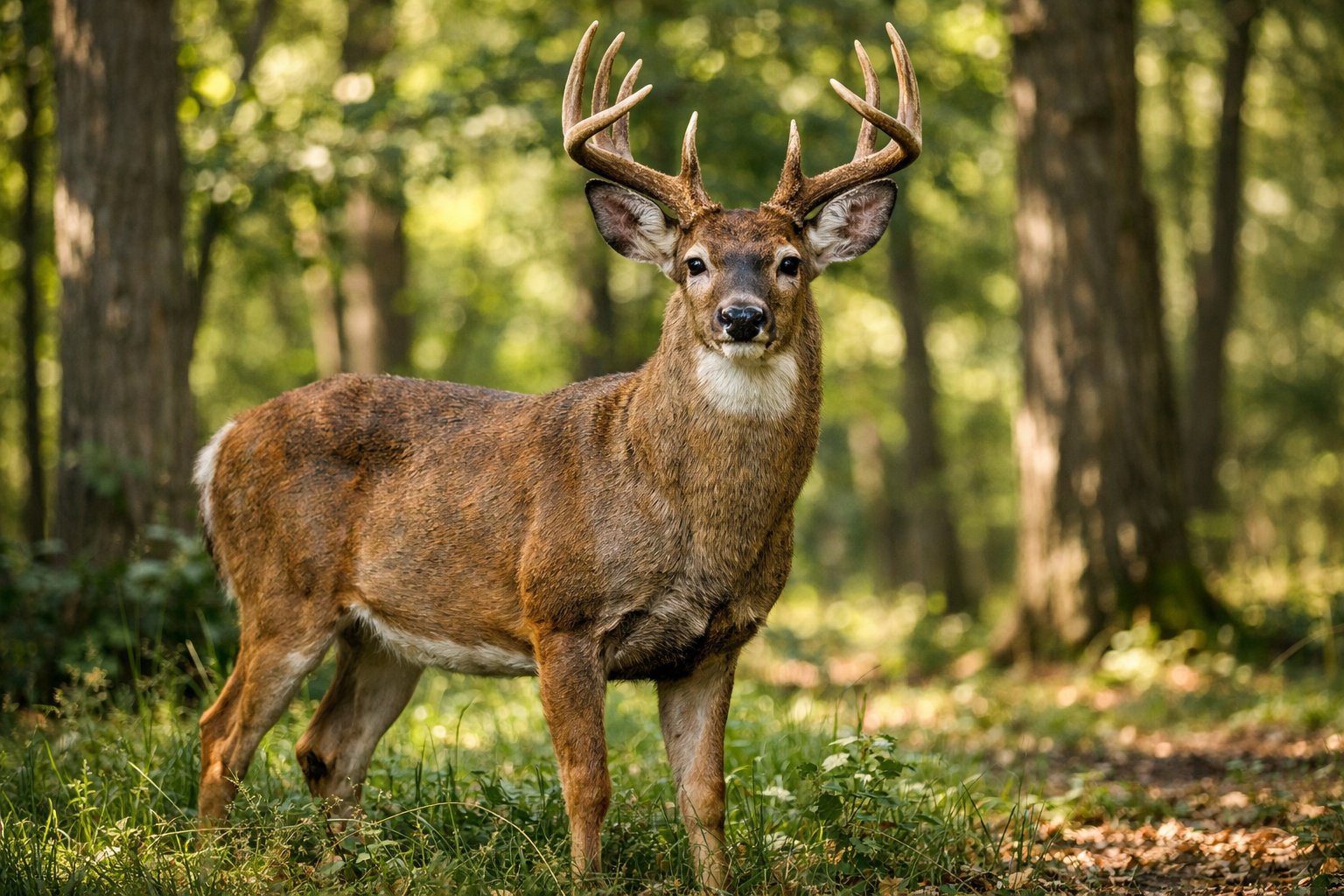
As you read on, you’ll see how those years break into different life stages. Factors like hunting, predators, disease, and busy roads all change a deer’s odds of making it to old age.
It’s not just about a number—what really shapes a deer’s life in the wild?
Average Lifespan and Development Stages

Deer in the wild deal with a lot of risks, and that changes how fast they grow and how long they last. You’ll notice big differences between fawns, young deer, and adults—and between bucks and does.
How Long Do Deer Live in the Wild?
Wild white-tailed deer usually live about 3 to 6 years, but it really depends on where they live and what they face. Hunting, predators, cars, and disease take out a lot of them before they get old.
Studies put the average whitetail at around 4.5 years, with bucks dying younger in some places.
Deer in captivity? They can hit 15 to 20 years, easy. No predators, steady food, and a lot less stress. Almost no wild deer make it to double digits unless someone’s looking out for them. Even with yearly hunting, deer populations often stay stable because new fawns replace the ones lost.
Life Cycle: Fawn, Young Deer, and Adult Deer
A fawn spends its first weeks totally hidden, surviving on the doe’s milk and her protection. Fawn survival can swing a lot; in some areas, only 30–60% make it through their first year because of predators and tough weather.
By fall, fawns start tagging along with their mothers. Yearlings look lanky and awkward as they get new teeth and, for bucks, tiny antlers.
They’re still figuring out food and safe spots. Deer can start reproducing at about 1.5 years, but honestly, most don’t make it to “fully mature.” Adult does tend to last longer than bucks, mostly because they don’t get hunted as hard and skip the risky rut season.
Differences by Sex: Bucks vs. Does
Bucks? They usually die younger than does. Why? Bucks have it rough—they fight during the rut, burn more calories in winter, and hunters go after them the most.
In some studies, bucks average under 3 years, while does can reach around 6.5 years. Does stick around longer and raise fawns, so they’re pretty important for the herd’s future.
If you manage a herd, choosing which deer to hunt or how to improve their habitat can shift these averages. Protecting older does lets more deer reach mature ages.
Oldest Deer on Record
Sometimes, a deer beats the odds by a mile. Captive whitetails have hit their late teens and even early 20s. In the wild, it’s rare, but the oldest documented white-tailed deer lived about 19 years.
You can spot an old deer by its worn teeth, sagging back, and, for bucks, smaller antlers. Wildlife labs age deer by counting growth rings in a tooth’s cementum, which helps managers figure out the real age spread in a herd.
But honestly, most wild deer don’t see 6 to 8 years unless humans protect them.
Key Factors Influencing Deer Lifespan
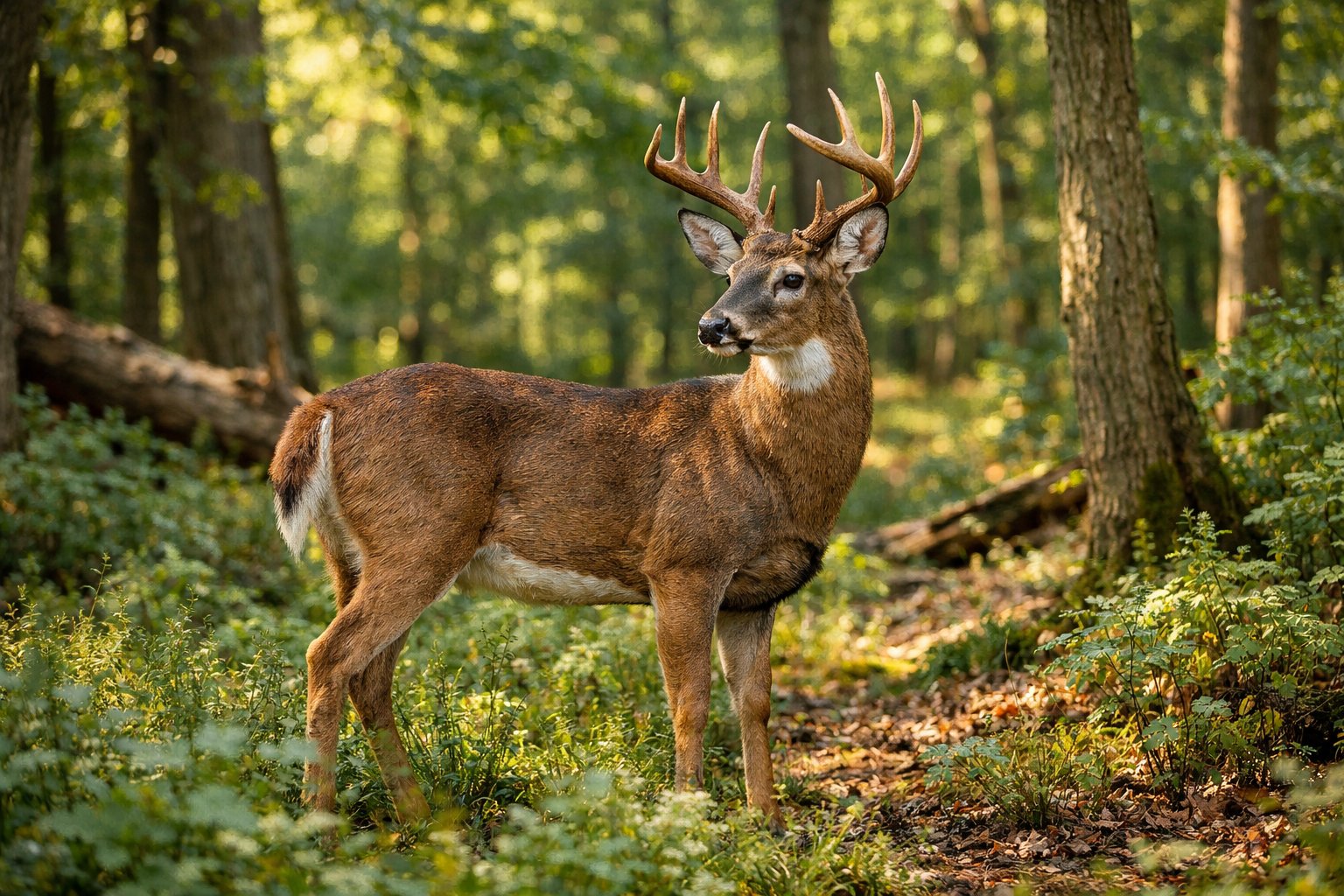
A deer’s life hangs on threats from predators, diseases, people, and the quality of its habitat. Each one can change how many years a deer gets and its odds of reaching old age.
Predation by Natural Enemies
Predators take out a lot of young deer and some adults, so they really shape survival rates. Wolves and mountain lions keep steady pressure on adults, often going after the larger or weaker ones and changing how deer act.
Coyotes and bobcats mostly hunt fawns, which drops yearling survival. Bears grab fawns too, and sometimes weakened adults in spring and summer.
Deer will avoid open fields or travel at night if they know predators are around. That means less feeding time and worse body condition, which hurts their chances of surviving and reproducing.
Predators also spook deer into running across roads, which can lead to more car collisions.
Impact of Disease on Deer Populations
Disease can wipe out a lot of deer fast and shrink populations for years. Chronic wasting disease (CWD) slowly kills infected deer and spreads through close contact or contaminated places.
Sick deer lose weight, act weird, and usually die within months or a couple years. Epizootic hemorrhagic disease (EHD) causes sudden die-offs in summer and fall when biting midges are everywhere.
Crowded deer or shared feeding spots make disease spread even faster. Avoid feeding or baiting deer—it just ups the risk of CWD and other infections.
Wildlife managers test carcasses, limit moving deer parts, and sometimes close feeding sites to slow disease and keep more deer alive.
Effects of Hunting Pressure and Human Activity
Hunting is a big reason deer die, and it shapes which ages stick around. Regulated hunting usually aims for older bucks during the rut, which drops the average buck age.
Heavy hunting can change how many deer survive and even how they act—deer might move more at night or hide in thicker cover to dodge hunters.
Cars hit a ton of deer each year, especially near towns and busy roads. Habitat loss and development squeeze deer into smaller areas, pushing them closer to roads and danger.
You can help deer by following hunting rules, reporting roadkill, and supporting habitat projects that give deer safe ways to move away from traffic.
Role of Habitat Quality and Environmental Stress
Good habitat means deer can find food, cover, and safe places to raise their fawns. When they have nutrient-rich browse and a mix of plants, they can build up fat for winter and reproduction.
But poor habitat—caused by fragmentation, logging, or farming—leaves deer with less nutrition. It pushes them into risky spots near roads or people. That leads to more deaths from starvation, disease, or getting hit by vehicles.
Weather and environmental stress make things even tougher. Harsh winters with deep snow keep deer from moving and finding food. Winter mortality goes up fast in those conditions.
Drought stunts plant growth and weakens deer. They become easier targets for predators and disease.
Habitat restoration can help. Planting native browse and making sure there’s continuous cover gives deer a better shot at survival. It also cuts down on the dangers that come with fragmented habitats.


