
Ever spot a deer on your drive or catch one grazing nearby and wonder how long it might live? Wild deer usually make it about four to five years, but captive deer often stick around much longer—sometimes into their teens. That big difference mostly comes down to fewer predators, steady food, and a bit of vet care when they’re in captivity.
Let’s dig into why deer lifespans can vary so much. You’ll see how hunting, disease, car accidents, and habitat all play a part in deer mortality. There are some surprising differences between wild and captive deer.
How Long Do Deer Live: Wild vs. Captive
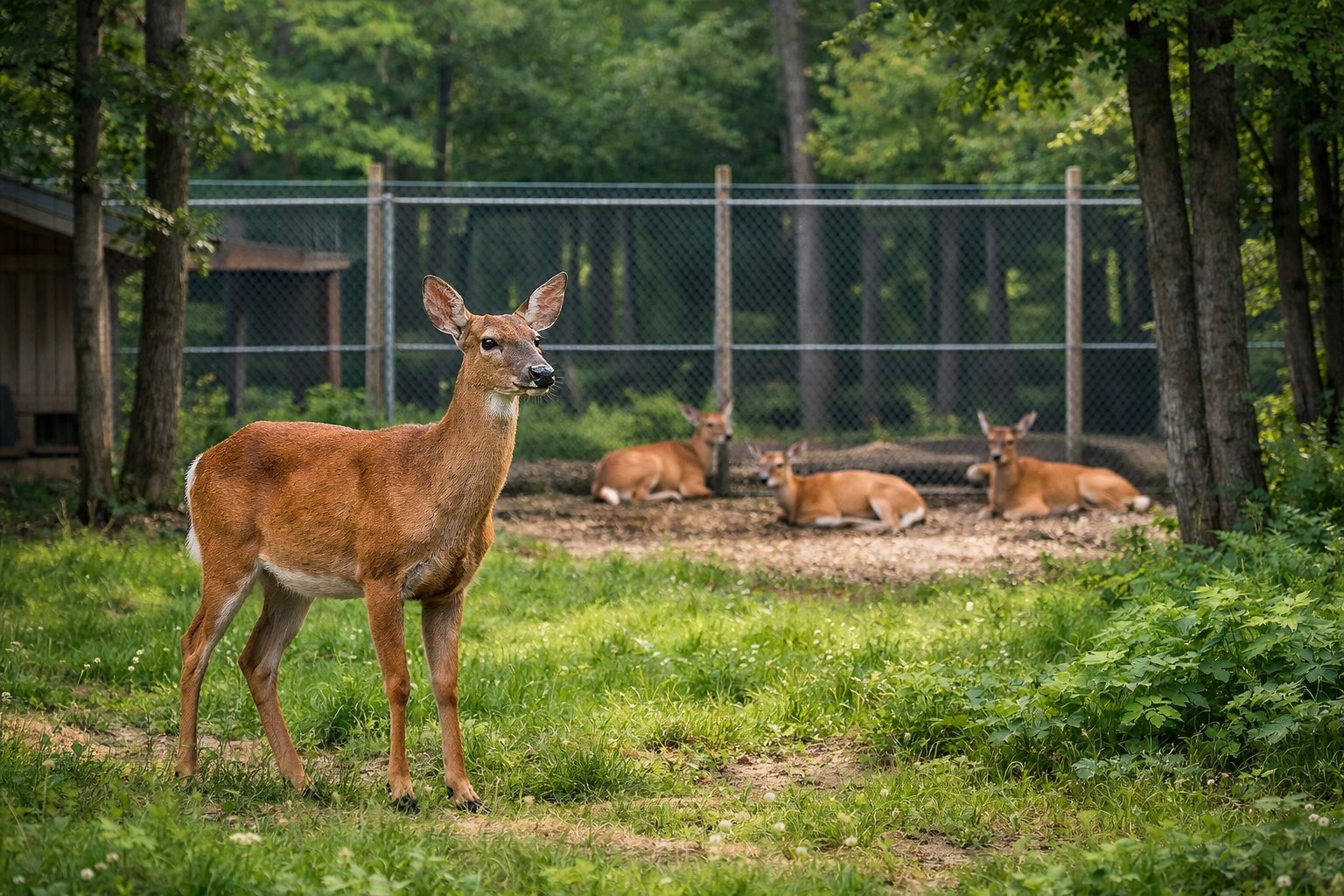
Wild deer deal with predators, disease, hunting, and tough weather that cut many lives short. Captive deer get regular meals, medical care, and don’t have to worry about predators, so they usually live longer than their wild cousins.
Average Lifespan of Wild Deer
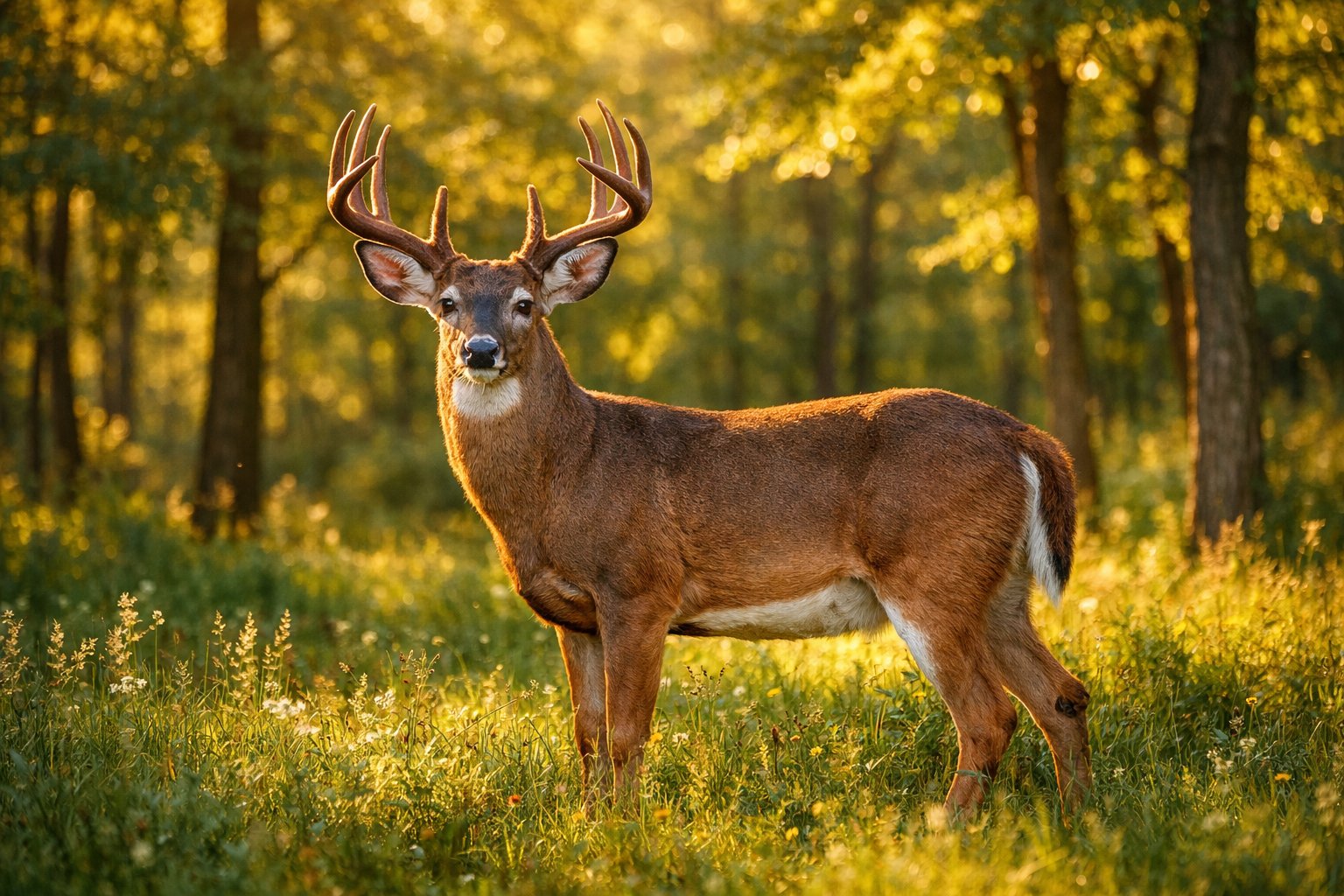
Most white-tailed deer in the wild live about 3 to 6 years. Bucks tend to die younger than does—often under 3 years in some places—because hunting and fighting for mates put them at higher risk.
Does sometimes make it to 6 years or more if they manage to avoid heavy hunting. Mule deer in many areas last closer to 6 to 11 years, assuming they dodge bad winters and predators.
Wild elk usually get about 10 to 13 years. Fawns really have it rough—coyotes, bobcats, and nasty weather can wipe out half a fawn crop in a bad year.
Disease like Chronic Wasting Disease (CWD) and car accidents knock down average ages too. When habitat disappears and roads pop up, deer end up in riskier spots, and that pushes mortality up.
Deer in Captivity and Longevity
If you keep a deer in captivity, it can live much longer since you control food, shelter, and health care. White-tailed deer in managed places often reach 10 to 20 years.
Some captive mule deer and elk even go past 20 years if they get good care. Things like regular vet checks, parasite control, solid nutrition, and protection from hunting or predators really stretch their lifespan.
Not all captive setups are good, though. Bad enclosures or poor diets can still cut life short.
Rules and ethics for keeping deer vary a lot depending on where you live. Wildlife parks and licensed breeders have to follow certain standards, which impacts how well those deer age.
Record-Holding Oldest Deer
Some deer species really push the limits under human care. People have reported captive red deer living over 30 years. White-tailed deer have made it past 20 in managed settings.
Wild record-holders are rare, but a few red deer and moose have lived into their late teens or even early twenties in sheltered, low-predator areas. Those are outliers—most wild deer don’t get anywhere near that old.
If you want local numbers, your state wildlife agency or university research usually has the best data on whitetail, mule deer, elk, and Scottish red deer. For more detail, check out field studies and management reports.
Key Factors That Influence Deer Lifespan

A deer’s life really depends on who’s hunting it, what diseases are floating around, how people change its land, and just how nasty the weather gets. All these things mix together and shape whether a deer makes it from fawn to adult.
Predators and Natural Mortality
Predators take a lot of young deer every year. Coyotes, bobcats, and bears all go after fawns in woods and along the edges.
Mountain lions or wolves up the risk for adults, especially at night or in deep snow. The amount of predation really depends on the habitat.
Dense cover gives fawns more places to hide, while open farmland leaves them exposed. Birds of prey don’t usually mess with healthy fawns, but they might grab the weak or very young ones.
Injuries and starvation count as natural causes too. Tough winters with deep snow make it hard for deer to find food, which bumps up death rates.
The mix of predators in your area, plus how bad the winter gets, really shapes how many deer survive.
Diseases Impacting Deer Survival
Disease can wipe out a lot of deer, sometimes fast or sometimes over years. Chronic wasting disease (CWD) shows up in parts of North America and always ends up fatal—it causes weight loss, weird behavior, and eventually kills the deer. CWD spreads through close contact and contaminated dirt.
Hemorrhagic diseases, like epizootic hemorrhagic disease (EHD), can cause sudden, big die-offs in late summer and fall. These viruses hit hard when midges are everywhere in wet, warm weather.
Other infections and parasites drag deer down, making them easier targets for predators or more likely to die in winter.
It’s a good idea to keep an eye on wildlife reports for CWD or EHD alerts. Outbreaks can really change how many deer survive in your area.
Human Influences: Hunting and Vehicle Collisions
Hunting kills a lot of adult deer where it’s allowed. Regulated hunting shapes herd size and age structure.
Heavy hunting drops the average lifespan, but good management tries to keep herds healthy. Cars are another big problem—vehicle collisions kill thousands of deer every year.
Roads near deer habitat create hotspots for accidents. Your odds of hitting a deer go up at dawn, dusk, and during the fall rut.
Human land use—like building cities, putting up fences, or even feeding deer—changes how they behave and survive. Management decisions like season length, bag limits, and targeted culls directly shape how many deer make it each year.
Environmental Stresses and Habitat Quality
Food and cover really shape how well deer get through rough seasons. When habitat’s poor, deer end up with low-quality forage, and their body condition drops before winter even starts.
Deer living in good habitats pack on more fat and handle harsh winters way better. I mean, it just makes sense.
When we break up habitats, deer squeeze into smaller patches, often right up against roads and people. That leads to more deer-vehicle collisions and puts them in the sights of hunters more often.
Crowded areas? They usually struggle with poor nutrition, and diseases spread faster there too.
Weather can be brutal—long droughts, deep snow, those never-ending cold snaps. Mortality goes up fast in those cases.
But when managers keep a mix of cover, native browse, and connected green spaces, deer survival really improves. It’s kind of amazing how much difference a well-kept habitat can make for their winter survival and the health of the whole population.


