
Ever wondered how long deer actually live? Well, it’s not a one-size-fits-all answer—it really depends on the species and where they call home. Most wild deer only make it about four to six years, but in captivity, they can hang around for much longer.
A deer in the wild usually lives about 4–6 years, though some species and especially those under protection can reach a decade or more.
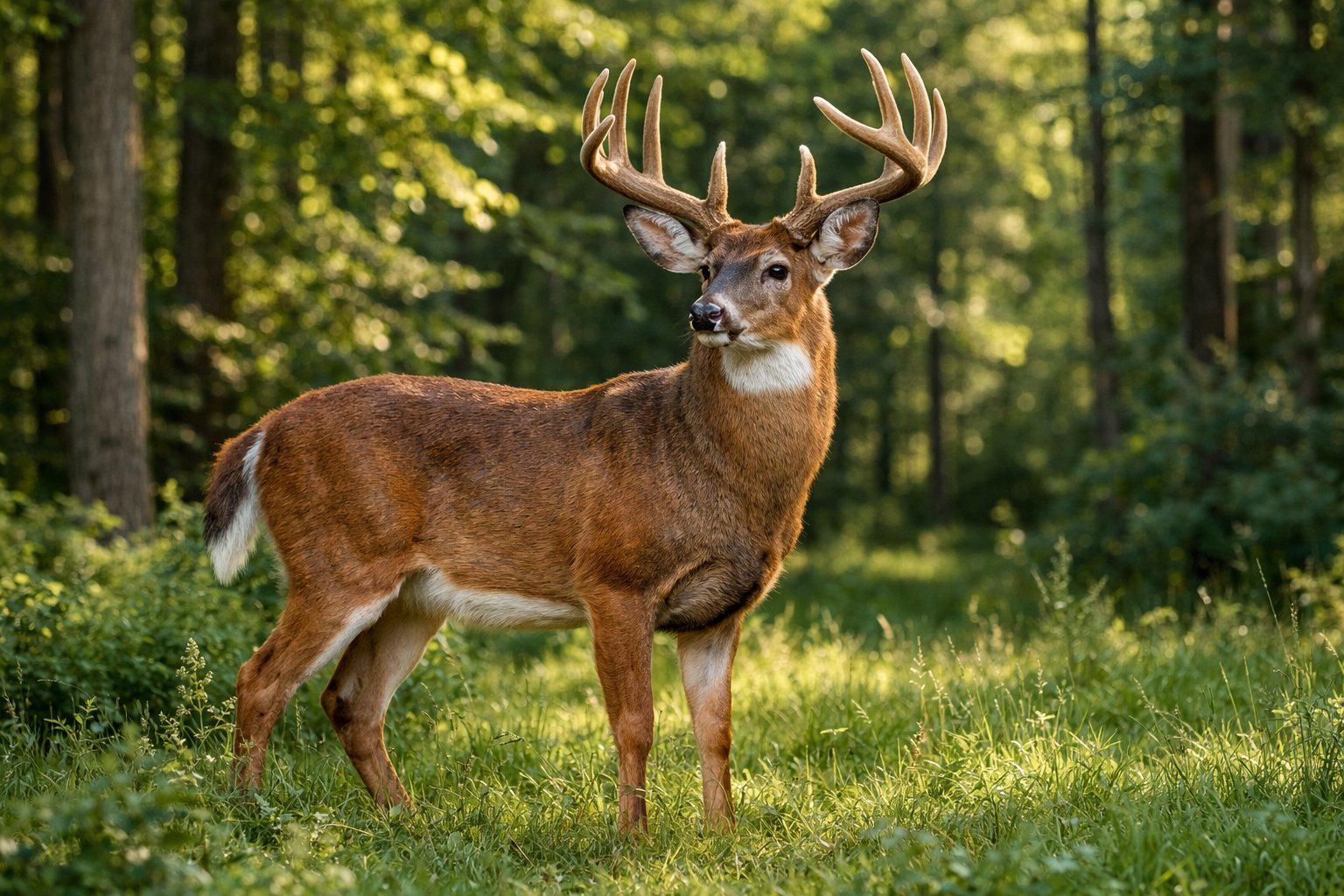
Let’s dig into how a deer’s lifespan changes depending on species and environment. You’ll see what really shifts the odds—stuff like predators, disease, hunting, and the quality of their habitat.
It’s kind of wild how some deer fade early, while a lucky few make it into old age.
Keep reading to check out lifespan differences by deer type and the big things that cut a deer’s life short—or help them stick around.
How Long Do Deer Live: Lifespan by Species and Environment

Deer lifespans bounce all over the place depending on species and where they live. Predators, hunting, disease, and how much food is around all play a part in how long each deer sticks around.
Average Lifespan of Wild Deer
In the wild, a lot of deer don’t get very old. White-tailed deer, for example, often average about 3–6 years in places where hunting and car accidents happen a lot.
Predators and tough winters hit fawns the hardest. You’ll notice the youngest ones usually have it roughest.
Habitat quality really matters. If deer have poor food or live in patchy woods, stress and disease go up, and lifespans drop.
In areas with fewer predators and less hunting, adult does often outlive bucks because they avoid those nasty rut injuries and the stress.
You’ll see regional differences, too—some deer populations average closer to 4–10 years, depending on what’s going on locally.
Maximum Age and Oldest Deer on Record
Some deer get surprisingly old when they dodge the usual dangers. Wild elk and red deer have made it into their teens, and, believe it or not, a few have hit 30+ years in rare cases.
But those are the exceptions, not the rule. The oldest records usually come from protected or captive animals, where predators and hunters can’t get to them.
In the wild, researchers have found the oldest deer through long-term studies or by checking tooth wear. If you find a deer older than 10–12 years in a wild herd, it probably means adult deer aren’t dying off quickly in that area.
Lifespan of Deer in Captivity
Put a deer in captivity, and you’ll see a big jump in how long they live. White-tailed deer can reach 15–24 years in zoos or sanctuaries if they get steady food and vet care.
Mule deer and elk also outlive their wild cousins by a lot when people look after them.
Why the difference? No predators, and regular health care. Captive deer don’t starve, get wiped out by parasites, or face hunters.
If you’re managing a herd, you’ll need to plan for decades of care, including parasite control and dental checks.
Lifespan Differences Among Deer Species
Different deer species show their own patterns. White-tailed deer usually have shorter lives in hunted areas, but mule deer in some western spots can average around 9–11 years if the habitat’s good.
Elk and Scottish red deer often reach 10–15 years in the wild. Smaller species like roe deer tend to live less than 10 years in the wild, while bigger types handle tough conditions better and can last longer when protected.
When you compare groups, local hunting, predators, and habitat quality often matter more than just the species.
- White-tailed deer: common, 3–6 years average in many wild areas.
- Mule deer: often longer in less-hunted zones, around 9–11 years.
- Elk and Scottish red deer: commonly 10–15 years wild; longer in protected areas.
Major Factors Influencing Deer Lifespan
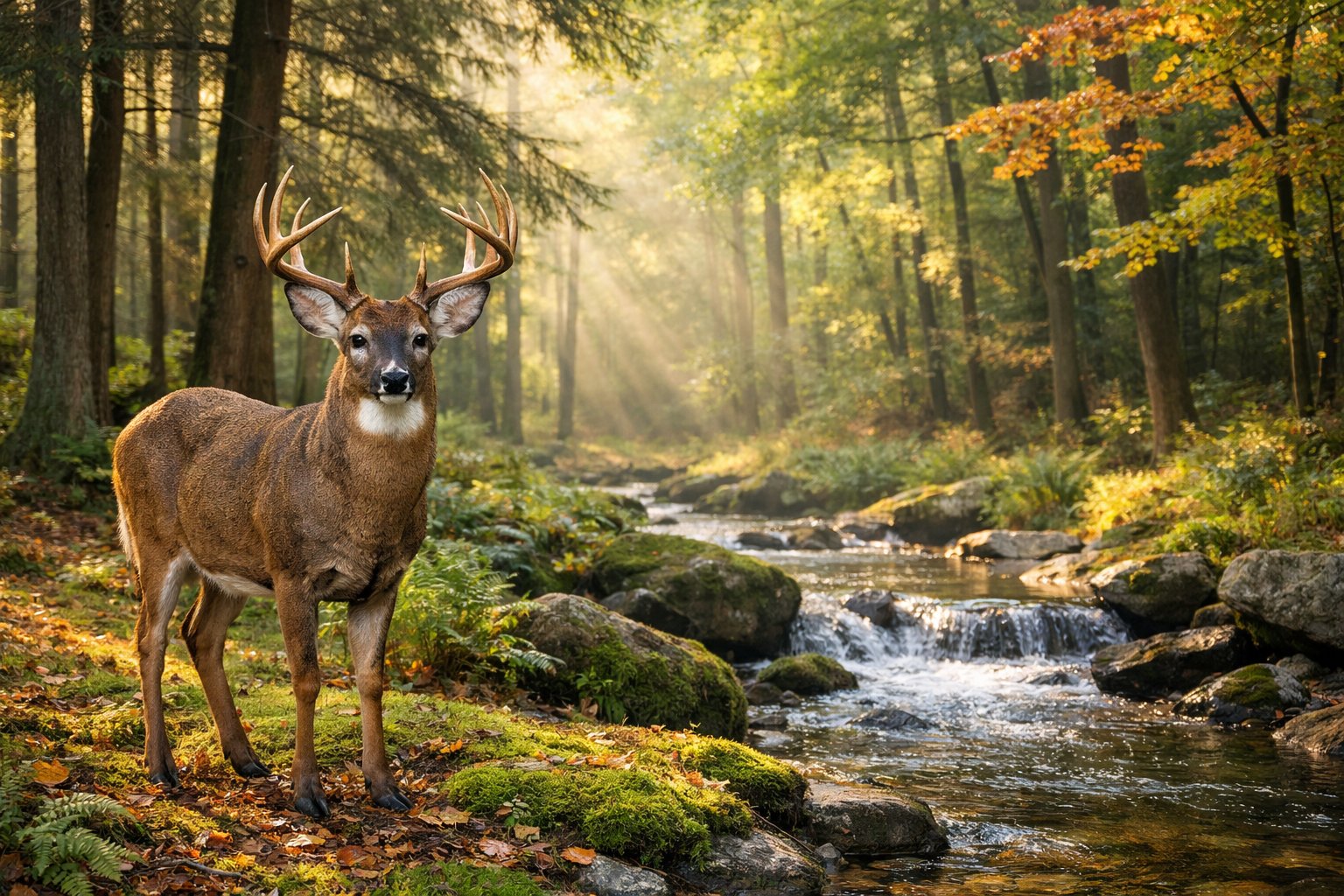
Let’s look at what really cuts deer lives short—and what helps them stick around. Predators, disease, hunting, people, weather, food, and habitat all come into play.
Impact of Predators on Deer Survival
Predators have a huge impact, especially on fawns. Mountain lions, wolves, bears, coyotes, and bobcats snag a lot of fawns in their first weeks.
Even birds of prey get in on the action with very young fawns and small deer. Fawn mortality often beats adult mortality in places with lots of predators.
Adults aren’t totally safe, though. Mountain lions and wolves can take down healthy adults, while coyotes and bobcats usually go after the sick or young.
Predation pressure changes depending on where you are and what year it is. Where predators are common, deer survival rates drop, and you see more young animals in the population.
- Predators hit fawns, sick adults, and old deer the hardest.
- Predator hotspots: mixed forests, stream edges, and spots with not much cover.
- If you restore predator balance, deer numbers and age mix can really shift.
Effects of Disease on Deer Mortality
Disease can take out deer fast or slowly. Chronic wasting disease (CWD) is a fatal brain disease that shortens a lot of adult deer lives where it shows up.
Deer with CWD lose weight, act weird, and usually die within a few years of getting sick. Hemorrhagic diseases like EHD can cause sudden die-offs in late summer and fall, especially when water is scarce.
Parasites, ticks, and bacterial infections also make life harder by weakening deer or making them easy targets for predators.
Disease hits harder when habitat is poor, deer are crowded, or water sources force animals together. Keep an eye on local disease reports and follow deer management rules to help slow the spread.
Role of Hunting Pressure and Human Activity
Hunting and people cause a lot of deer deaths in most areas. Regulated hunting removes many adults each year and often targets healthy bucks, which changes the age and sex balance.
Hunting pressure jumps around depending on region and season. Where hunters take a lot, deer don’t live as long.
Humans also cause more deer deaths with cars. Collisions peak at dawn and dusk and during the rut.
Urban and suburban deer might dodge predators but face more road risk, chopped-up habitats, and run-ins with pets.
Deer management programs use harvest limits, season timing, and habitat work to balance populations and help more deer survive.
Environmental Stressors: Weather, Food, and Habitat
Weather and food really shape deer health from one year to the next. When winters turn harsh and dump deep snow, deer—especially fawns and older ones—struggle to find food and burn through their energy fast.
During a drought, plants lose quality, water gets scarce, and deer become way more vulnerable to disease. EHD outbreaks seem to pop up more often in those tough, dry years.
Habitat plays a huge role too. If deer have good cover and a mix of plants to eat, they’re more likely to stay healthy and hidden from predators.
But when forests get fragmented, or areas get overbrowsed, deer survival drops. Mortality climbs, and honestly, it’s tough to watch.
If you want to help, consider supporting habitat improvement or smarter land use. Keeping good cover, plenty of food plants, and safe wintering spots can make a real difference.


