
Ever spotted a deer at the edge of a field and wondered about its lifespan? Wild deer usually stick around for about 4–6 years, but in captivity, they can hang on much longer—sometimes well into their teens or beyond.
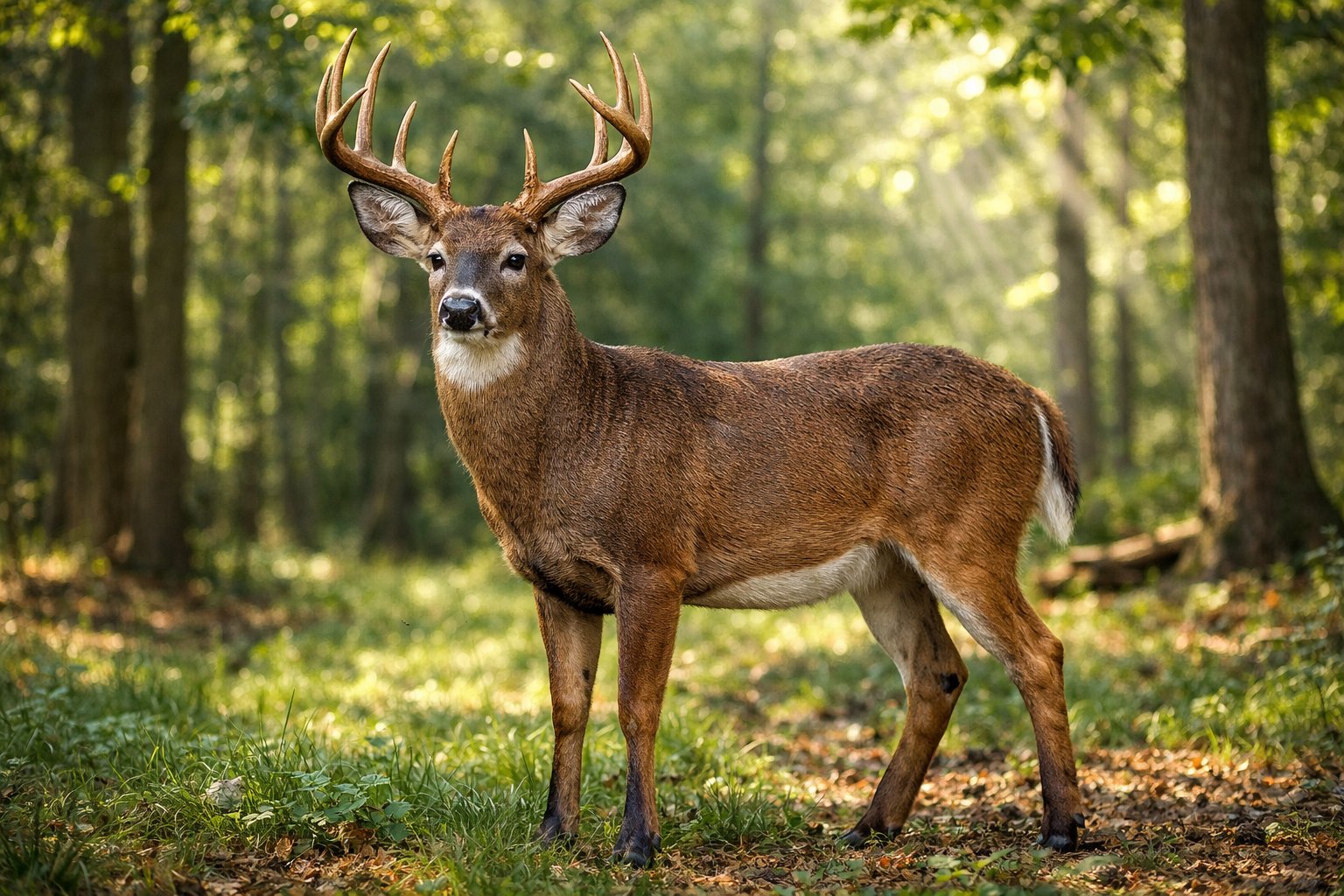
Let’s dig into why deer lifespans aren’t all the same. Species, sex, and where they live can change things a lot.
You’ll see which risks—like predators, disease, cars, and hunting—cut lives short, and what conditions let deer reach old age.
Stick around to find out how white-tailed, mule, and other deer species compare, and what really shapes a deer’s life.
Understanding Deer Lifespan and Species Differences

Deer lifespans swing a lot depending on species, location, and what humans do. I’ll break down the usual ages for wild and captive deer, highlight differences among common species, and talk about how bucks and does age differently.
You’ll even see who holds the record for oldest deer.
Average Lifespan of Deer in the Wild and Captivity
Most wild deer live somewhere between 3 and 10 years. White-tailed deer in places with lots of hunting or roads usually make it 3–6 years.
Mule deer and bigger species like elk can reach 8–12 years if their habitat is good. Fawns have it the toughest—lots don’t survive their first year thanks to predators, disease, or rough weather.
In captivity, deer can stick around much longer. With steady food, vet care, and no predators, white-tailed and mule deer might reach 15–20 years.
Elk and red deer in managed places often make it to their late teens or even twenties. Human care wipes out a lot of those natural risks.
Lifespan of Common Deer Species
White-tailed deer: Wild ones usually last about 3–6 years, but some get past 10 if they’re lucky and live in safer spots.
You’ll notice shorter lifespans where hunting and cars are a problem.
Mule deer: They often reach 6–11 years in the wild. In some western areas, they outlive whitetails because predators are different.
Elk (wapiti): Their bigger size helps them live longer, usually 10–13 years in the wild. Captive elk sometimes pass 20 years.
Red deer (including Scottish red deer): Wild red deer hit about 6–10 years; in captivity, people have seen them reach past 20. Roe deer and smaller species don’t last as long—around 5–8 years in the wild.
Longevity Differences: Bucks vs. Does
Does (female deer) usually outlive bucks (males). Bucks get into more fights during the rut, deal with more stress from testosterone, and take more risks trying to find mates.
That means bucks often die younger, especially between ages 2–6.
Does spend their energy raising fawns and tend to survive tough winters better since they move less and avoid fights. You’ll find more old does in most populations.
Not many bucks make it to old age. Heavy hunting can make this gap even wider, especially if people target males or go after trophy bucks.
Oldest Deer on Record
Captive deer win the longevity awards. Caretakers protect them from most dangers, so some white-tailed deer in zoos or parks have lived past 20 years.
Mule deer and red deer in human care have reached similar ages, with a few rare reports of individuals passing 25 years.
Wild deer don’t usually get that old. A handful of wild whitetails have been confirmed at 15+ years, but it’s rare.
If you want to compare numbers or check records, look at wildlife studies and managed herd reports that track known-age deer. For more on wild vs. captive lifespans, you can check out summaries on deer lifespans and the factors that affect them.
Key Factors Influencing How Long Deer Live
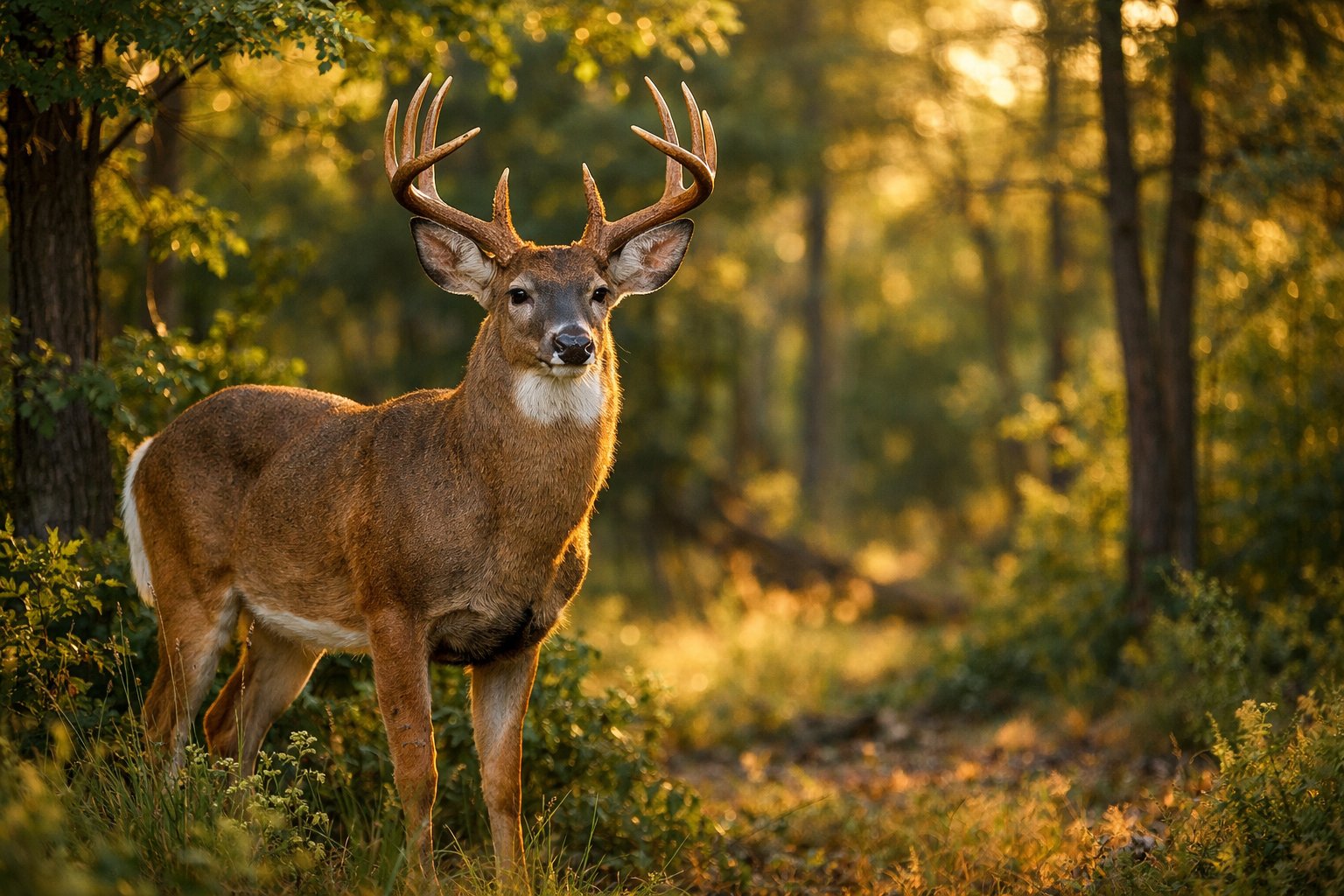
Predators, disease, weather, and people all shape how long deer survive. Each factor chips away at their chances in its own way.
Management choices can really change how many deer reach old age.
Natural Predators and Fawn Mortality
Predators hit fawns the hardest. Coyotes kill lots of newborn white-tailed fawns, especially where there isn’t much cover.
Bobcats and black bears also go after fawns. In some spots, even big birds like great horned owls will take very young or tiny fawns.
Adult deer face threats from wolves and mountain lions in places where those predators live. One wolf pack can knock down local deer numbers during rough winters when deer are already struggling.
Fawn mortality peaks in those first few weeks after birth. If your area has lots of predators and not much hiding cover, fawn survival drops.
Good fawning cover and mixed-age forests help more fawns make it to breeding age.
Hunting Pressure and Deer Management
Hunting knocks out a lot of adult deer in places with open seasons. Regulated hunting changes the age structure—heavy buck harvest leaves more young males and affects population growth.
Wildlife agencies use things like bag limits, antler restrictions, and season timing to protect does or fawns when they’re most vulnerable.
Balanced deer management tries to give hunters chances while keeping the population healthy. Agencies look at surveys, harvest data, and models to set quotas.
In spots with lots of hunting, average deer age goes down and not many reach that 10+ year mark you’ll see in protected or captive herds.
Disease and Health Risks
Chronic Wasting Disease (CWD) can slowly wipe through a herd. It spreads through saliva and the environment, and infected deer get worse over months or years before dying.
Epizootic hemorrhagic disease (EHD) hits fast, causing die-offs in late summer and fall. It’s especially rough in drought years when biting midges gather around the few water sources left.
Parasites and ticks sap deer energy, making them easier targets for predators and harsh weather. If you’re in a CWD area, testing and following local rules really matters.
EHD outbreaks can wipe out whole local herds in just one season, so keeping an eye out for sick deer and reporting them can help agencies respond.
Environmental and Human-Related Threats
Harsh winters dump deep snow, so deer have to burn more energy just to survive. They can’t find as much food, which means starvation and predators become real problems.
When drought hits, the quality of their forage drops. Deer end up wandering into risky spots—think roads and farms—just to eat.
Losing habitat and breaking up forests pushes deer right into our neighborhoods. That’s why you see more deer-vehicle collisions and some odd changes in how deer make it through the year.
People play a big role too. Road density, urban sprawl, and land-use changes all matter more than we might admit.
When roads slice through deer territory, collisions quickly turn into a major cause of death. If we restore native cover, build safe corridors, or keep attractants away from roads, we can actually help deer survive.
Deer living in well-managed habitats with safe winter ranges and decent summer forage usually stick around longer. Makes sense, right?
You can find more reading on how deer lifespans vary and what management practices work at the Institute for Environmental Research.


