
Ever spot a young male deer in the woods and wonder what to call it? People usually call a small male deer a buck, or a fawn if it’s very young—though the exact name depends on its age and species. That’s a good starting point if you’re curious about what you saw or just want to learn more.
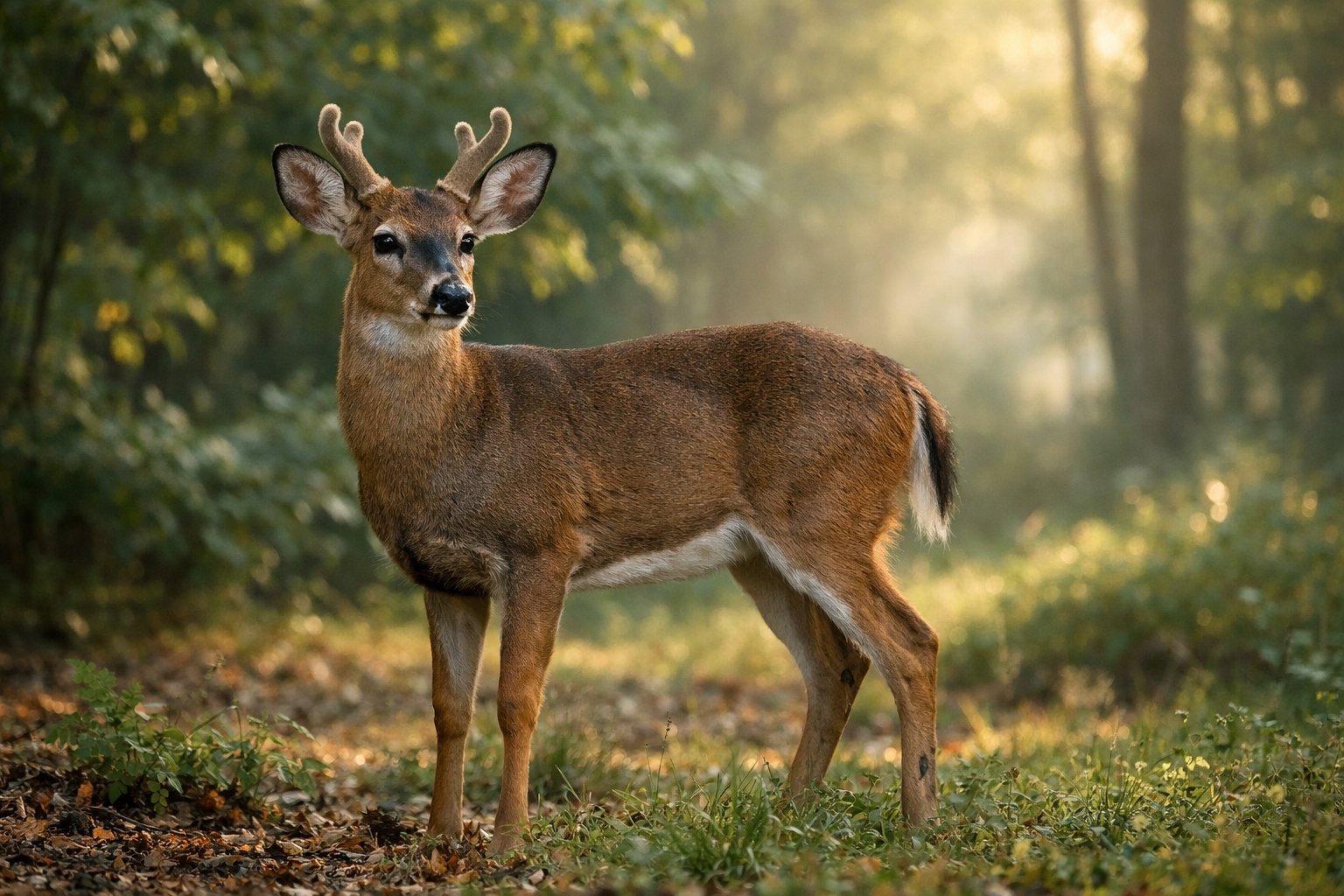
Common names for small male deer change with size and species. Some young males keep the term buck, while newborns go by fawn or calf.
Let’s look at how age and species shape these names, so you can tell a button buck from a yearling without guessing.
Common Names for Small Male Deer
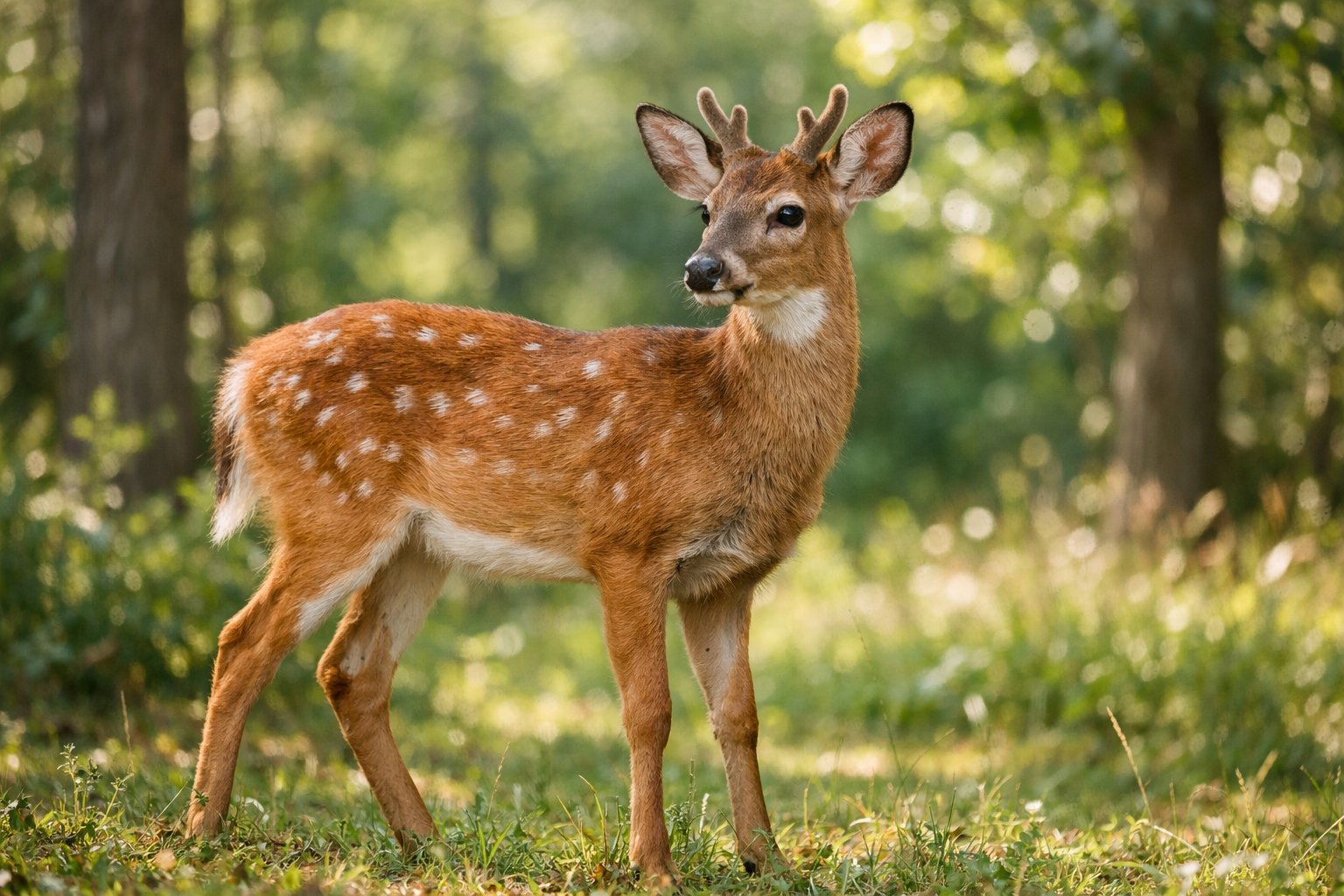
Small male deer get called different names depending on the species, age, and even where you live. The words below help you pick the right term and know what to look for when you’re trying to ID a young male.
Buck: The Universal Term
Most people call a small or medium male deer a buck. In North America, white-tailed and mule deer males go by buck from about their first year onward.
This term covers both young and adult males. So, a one-year-old white-tailed male and a mature buck both get the same title.
If you spot a small male with short, simple antlers or even just little spikes, go ahead and call it a buck. Hunters and wildlife biologists use “buck” for species like white-tailed, roe, muntjac, and mule deer.
Bucks usually show typical male behavior during the rut—sparring, rubbing trees, and chasing does.
Stag: Mature Males of Larger Species
People use “stag” for larger, mature male deer in Europe and parts of Asia. You’ll hear it for animals like red deer or sika deer, but only when the male is big and has a heavily branched rack.
A young, small male red deer doesn’t get called a stag until it’s grown full size and has more complex antlers.
If you see a male deer with wide, many-pointed antlers and a bulky body, calling it a stag means you’re probably talking about an adult from a bigger species. Stags act more territorial and tend to be louder during the rut than smaller bucks.
Bull: The Largest Deer Species
Save “bull” for the biggest deer out there. Bull describes male moose, elk (wapiti), and caribou (reindeer) in most places.
These bulls can weigh hundreds—sometimes nearly a thousand—pounds. The name tells you you’re looking at a member of a very large species, not just a big individual.
If you spot a male with massive, heavy or broad palmate antlers like a moose, call it a bull. Both hunters and biologists use “bull” to keep things clear and avoid confusion with bucks or stags.
People sometimes mix up the terms, but using bull for these giants just makes sense.
Hart: An Archaic Name
Hart is an old English word you’ll come across in literature or history books. Traditionally, it meant a mature male red deer, usually over five years old.
You probably won’t use hart in everyday talk, but you might see it in poetry, hunting lore, or old natural history texts.
If you’re reading something historic about deer, know that hart is similar to stag, but with a bit more focus on age. Using hart today sounds pretty poetic or formal, so most folks just stick with buck, stag, or bull for clarity.
Names by Age and Species
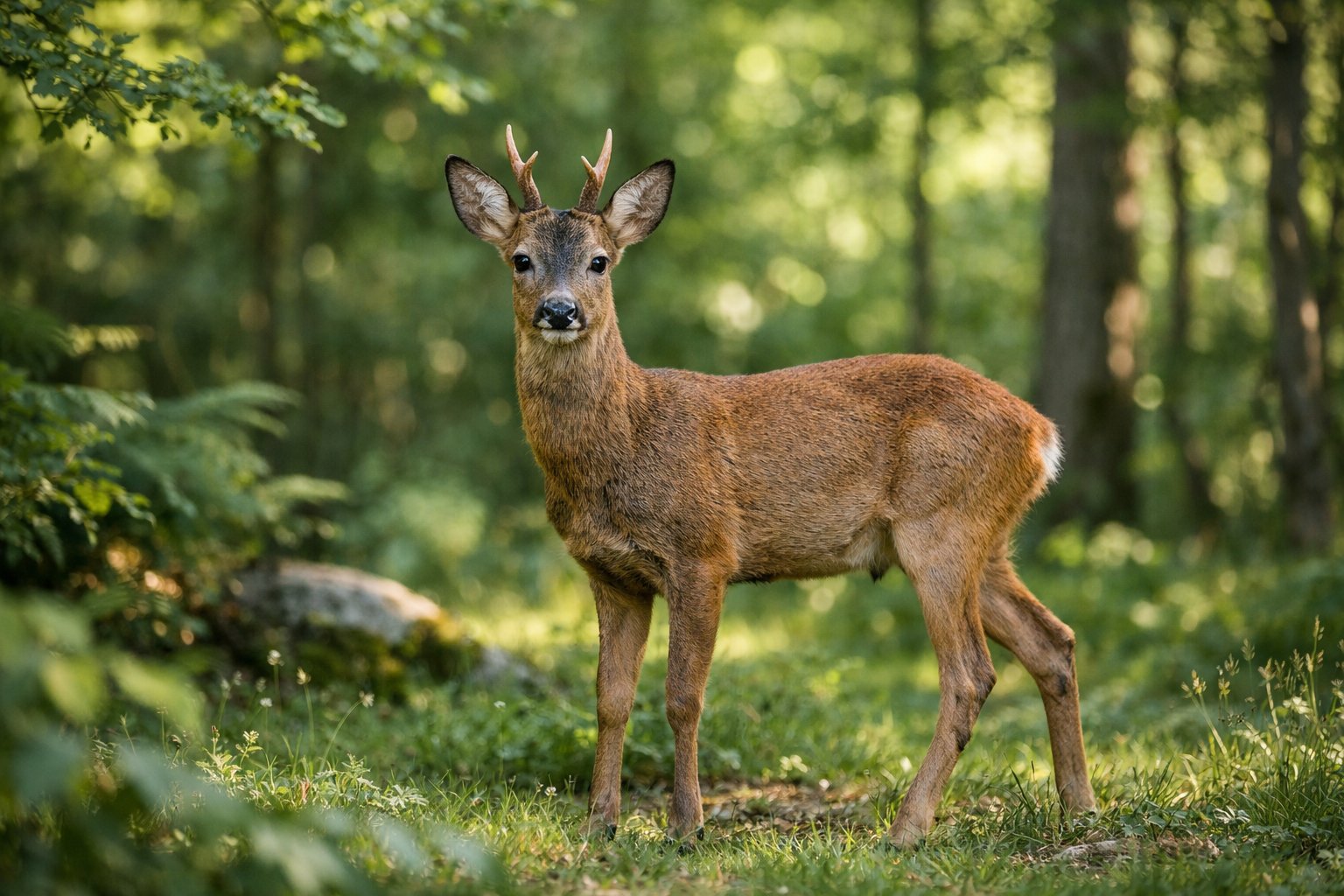
You’ll find that the names for small male deer change with age and species. These terms shift as the animal grows, so check the right word for the deer in front of you.
Fawn and Calf: Young Male Deer
A newborn or very young deer usually goes by fawn for smaller species like white-tailed, roe, and sika deer. Fawns have spots at birth and nurse for months.
For big species, people call a young male a calf—think baby moose, elk, or barasingha.
Both “fawn” and “calf” work for males and females at this age. Use fawn for deer in the subfamily Cervinae like white-tailed or sika, and calf for bigger members of Capreolinae such as moose and elk.
Yearling and Spike: Juvenile Males
After the first year, people often call a male deer a yearling. Yearlings lose their spots and might show their first tiny antler points.
A young male with just a single point or short antlers usually gets called a spike. This is common in species like white-tailed, mule, and sika deer.
Yearlings start to leave their mothers or join small bachelor groups. Hunters and wildlife workers use “yearling” and “spike” to talk about size and legal age classes for management or harvest.
Species Differences: Roe, Muntjac, Fallow, and More
Names for male deer really depend on species and even where you are. People usually call male roe deer bucks or sometimes just roe bucks. Muntjac males, despite being tiny, also go by bucks most of the time.
Fallow deer get a bit more complicated—folks use buck or stag for the males, and it can change with age or region. When fallow males are young, they’re fawns, and then later, yearlings.
Some less common or tropical species get their own terms. Young pudu and brocket deer are fawns, but pampas deer young might be calves or fawns, depending on how big they are.
Water deer and Chinese water deer are a bit different since the males don’t have big antlers. Their young males start as fawns, then become yearlings.
Elk (wapiti) and moose use bull for the grown males and calf for the young ones. If you want to be specific, just put the species name with the age—like “male sika fawn” or “elk calf”—especially if you’re taking field notes or writing reports.
If you’re curious about all these naming quirks, biology texts and field guides dig into it more, like What Is A Male Deer Called? (All 6 Possible Names).


