
You might’ve heard people say deer have four separate stomachs. That’s not quite right. Deer actually have one stomach, but it’s split into four chambers — the rumen, reticulum, omasum, and abomasum. These chambers work together to break down tough plants.
This unique setup explains why deer can chow down on grasses, leaves, and even woody shoots that most animals wouldn’t touch.
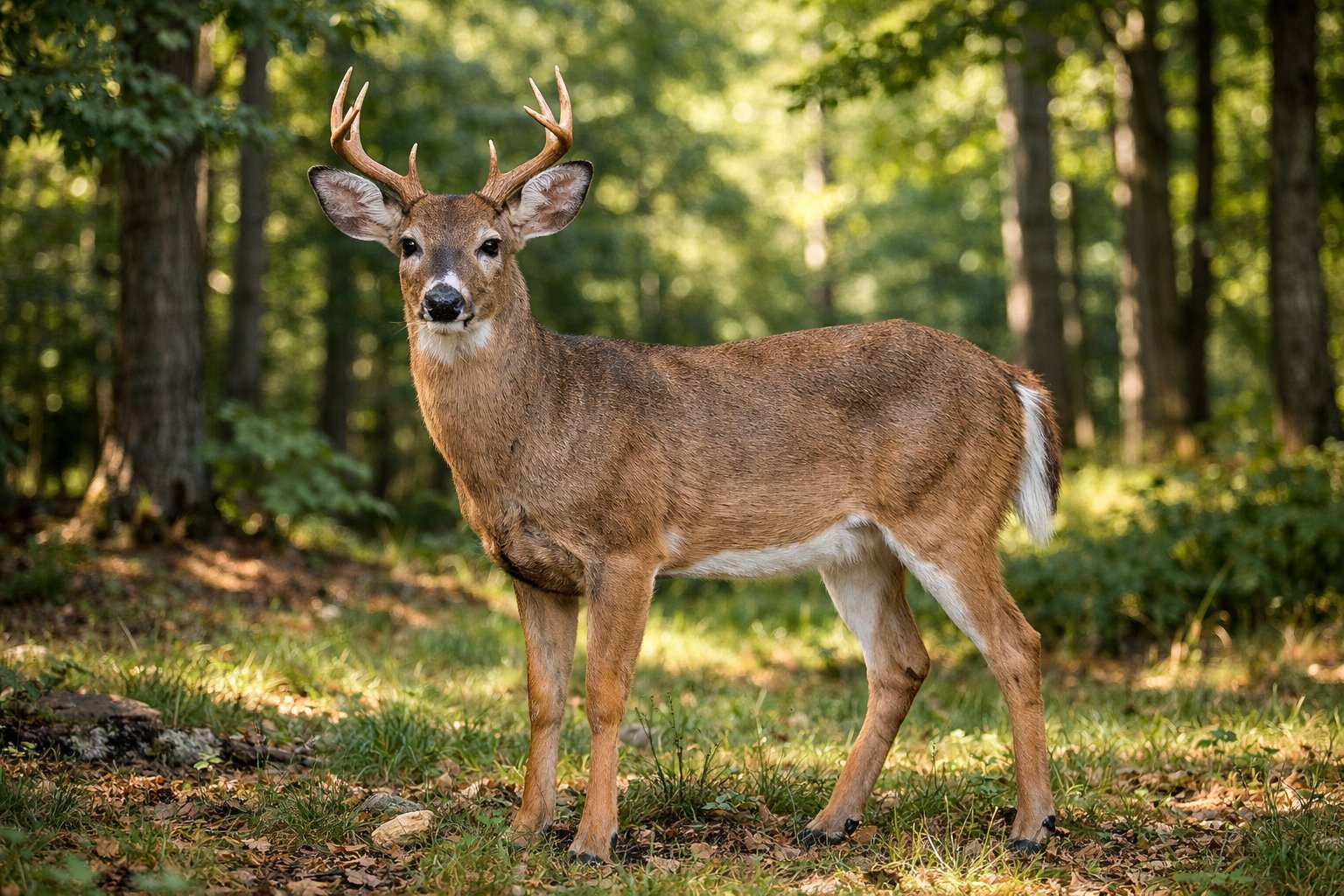
Each chamber does its part: fermentation, cud-chewing, water absorption, and acid digestion. Once you get how this all works, you’ll see why deer can eat what they do — whether you’re a hunter, a wildlife fan, or just curious.
How Many Stomachs Does a Deer Have?

Deer have one stomach, but it comes with four connected chambers. They all team up to break down plants. Each chamber has its own job: storing, fermenting, filtering, and finishing up digestion with acids.
Overview of Deer Stomach Structure
Deer belong to a group called ruminants — animals that use microbes to digest tough plants. People often say deer have “four stomachs,” but really, it’s one stomach with four distinct parts: the rumen, reticulum, omasum, and abomasum.
The rumen acts like a giant fermentation tank. It holds partly chewed food and is packed with billions of microbes that turn cellulose into nutrients. The reticulum sits right next to the rumen and catches heavy or weird stuff the deer might eat.
After the deer chews its cud, the food moves into the omasum. This chamber absorbs water and minerals. The abomasum, sometimes called the “true stomach,” uses acid and enzymes to break down proteins.
This system lets deer eat fast, then find a safe spot to chew their cud in peace.
The Four Stomach Chambers in Deer
Rumen: The rumen stores big amounts of plant matter and supports fermentation by microbes. These microbes make fatty acids that give deer most of their energy. The rumen walls have papillae that help with absorption.
Reticulum: The reticulum connects to the rumen and has a honeycomb texture. It forms cud and filters out metal or grit that could hurt the gut.
Omasum: The omasum is full of leaf-like folds that squeeze out water and grab nutrients. It makes food particles smaller and saves moisture, which matters if the food is dry.
Abomasum: The abomasum works like a carnivore’s stomach. It releases acid and enzymes to break down proteins from both plants and microbes, so the intestine can absorb them.
Unique Features of the Deer Digestive System
Deer adjust their digestion based on what’s available each season. When plants are green and fresh, microbes work faster and the rumen becomes more active. In winter, the omasum and rumen slow things down to pull every last bit of nutrition from rough, low-quality browse.
Deer can fill their rumen quickly and then sneak off to a safer place to chew their cud. This keeps them away from predators while they process food. Also, deer don’t have a gallbladder, which changes how they handle some plant toxins. It actually lets them eat a bigger variety of plants than some farm animals.
All deer in the Cervidae family — like white-tailed deer, elk, and moose — use this four-chambered system. It’s pretty impressive how well it turns tough plants into energy.
The Ruminant Digestive Process in Deer

Deer break down tough plants with help from their four-chambered stomachs and a whole community of microbes. Microbes, cud-chewing, and some differences from cows and sheep all play a part in letting deer eat leaves, twigs, and grasses.
Role of Microorganisms in Digestion
Microbes in the rumen and reticulum handle most of the chemical breakdown. Bacteria, protozoa, and fungi ferment cellulose and hemicellulose from leaves, bark, and grasses, turning them into volatile fatty acids (VFAs). These VFAs give deer most of their energy.
Microbes also make B vitamins and some amino acids that deer can’t produce themselves. Fermentation happens in the rumen, which is warm and mixes food constantly. The reticulum catches heavier bits and helps form cud.
As microbes break down plant fibers, they make gas and heat. Deer get rid of the gas by belching. Not the most glamorous, but hey, it works.
Chewing Cud and Rumination Explained
Rumination lets deer pull more nutrients from fibrous plants and grass. After a quick meal, food lands in the rumen, where microbes soften it up. Later, the deer brings up small wads of food — cud — to chew again and make the pieces even smaller.
Chewing cud increases saliva, which helps keep the rumen’s pH balanced and the microbes happy.
You’ll spot this behavior after deer finish eating and move somewhere safe. White-tailed deer, mule deer, elk, and moose all ruminate, but how often they do it depends on what they’re eating. Browsers that munch on woody twigs tend to chew more than grazers who stick to grass.
Efficient cud-chewing means deer can survive on food that would leave other herbivores hungry.
Comparing Deer Digestion to Other Ruminants
Deer have the same four-chambered stomach as cows, sheep, and goats—rumen, reticulum, omasum, and abomasum. Each chamber does its own thing: the rumen ferments, the reticulum sorts, the omasum handles water and minerals, and the abomasum breaks stuff down with acids and enzymes.
But the size and timing? That’s where things get interesting. Cows, for example, carry much larger rumens and keep food in there longer, which works for all that tough, fibrous hay.
Deer, on the other hand, have smaller rumens and move food through faster. It lets them handle a more varied, sometimes unpredictable diet.
Different species take different approaches. Giraffes and cattle seem almost designed for grazing huge amounts, but deer and moose (Alces alces) act more like picky eaters, browsing for just the right plants.
If you watch your local white-tailed or mule deer, you’ll notice they can adjust their digestion pretty quickly with the changing seasons. Sheep and goats? Not quite as fast.
These quirks really shape what each animal can eat—and where you’ll find them.


