
If you’re looking for lean, nutrient-packed meat that fits a healthy diet, deer meat might be a smart pick. Venison offers protein, B vitamins, and minerals with fewer calories and less fat than a lot of common red meats.
You’ll get high-quality protein and important nutrients from venison, plus fewer calories and less saturated fat than you’d find in typical beef or pork.
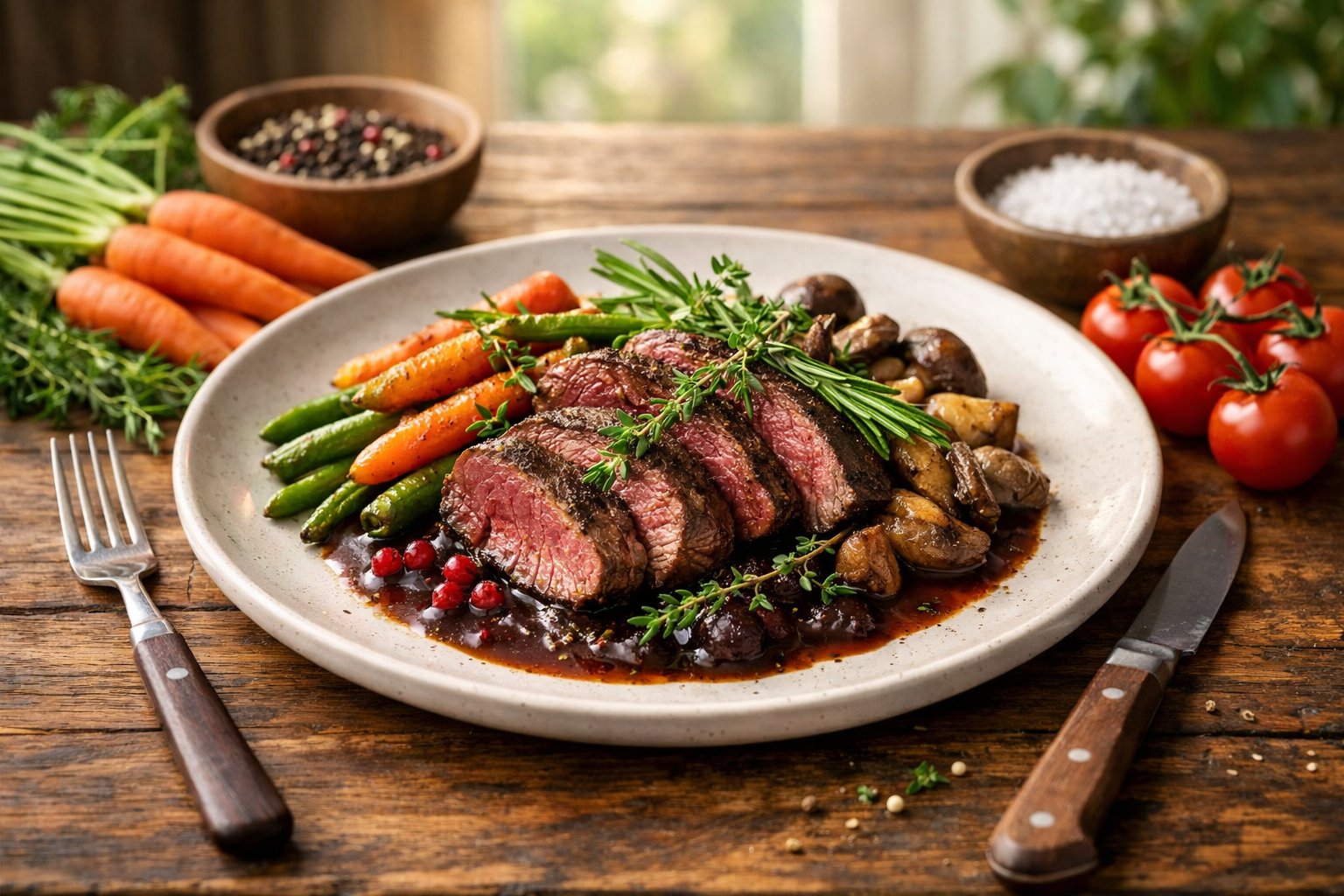
You’ll find out how venison stacks up against other meats, what health perks to expect, and what safety steps matter when you’re sourcing and cooking it. Stick around for practical nutrition tips, info about risks like chronic wasting disease, and some simple ways to make venison both safe and tasty.
Key Nutritional Benefits of Deer Meat

Deer meat packs a lot of protein into each serving, with fewer calories and less fat than most other red meats. It’s loaded with vitamins and minerals that help your energy, muscles, and immune system.
Lean Protein and High Protein Content
Venison stands out as a lean protein source. A 3.5-ounce (100 g) serving of cooked venison gives you about 25–27 grams of protein, which helps repair and build muscle.
Since venison is so low in fat, you get more protein per calorie compared to fattier beef or pork. That’s great if you’re trying to up your protein but keep calories in check.
You’ll get all the essential amino acids from venison. It’s handy for muscle recovery after a workout and supports steady energy throughout the day.
Ground venison swaps easily for ground beef in recipes. You keep the protein high and the saturated fat low.
Vitamin and Mineral Profile
Deer meat brings a lot of important micronutrients to the table. It’s rich in B vitamins—especially B12, niacin (B3), and B6—which help turn food into energy and keep your nervous system running smoothly.
You’ll also get heme iron from venison, which your body absorbs well and uses to make red blood cells. That can help fight off fatigue, especially if you’re at risk of low iron.
Venison supplies a good amount of zinc and phosphorus for immune function and bone health. Selenium and potassium show up in smaller amounts, helping with antioxidants and electrolyte balance.
All in all, these nutrients make venison a solid pick for a balanced diet.
Comparison to Other Red Meats
Venison usually has less total fat and saturated fat than typical red meats. That means lower calories and less impact on blood cholesterol if you eat it in moderation.
It often has more protein per 100 g than most cuts of beef. Wild venison tends to have a better omega-6 to omega-3 ratio, too, since the animals eat natural forage. That gives you more omega-3 fatty acids than you’d get from grain-fed meats.
If you go for wild venison, you might get higher levels of conjugated linoleic acid (CLA), a fatty acid found in pasture-raised animals. CLA and the lean profile make venison a pretty appealing option if you want a healthier red meat.
Potential Health Advantages
Eating venison can help with managing your weight. It’s high in protein but lower in calories and saturated fat.
High-protein meals help you feel full, so you might end up eating less overall.
The mix of heme iron, B12, and zinc in venison supports energy, immune response, and even cognitive function. That’s pretty important if you train hard or just have higher nutrient needs.
Venison’s better omega-6 to omega-3 balance and lower saturated fat could be easier on your heart than fattier red meats, as long as you include it as part of a varied diet.
Safety, Risks, and Cooking Tips

Deer meat can be a healthy choice, but you need to handle, test, and cook it right to avoid bacteria, prions, and lead. Keep the carcass cold, trim away wound areas, and cook ground venison thoroughly.
Safe Handling and Field Dressing
Field dress a deer as soon as possible to remove organs and cool down the carcass. Put on disposable gloves, cut out any damaged tissue, and try not to puncture intestines to keep things clean.
Work on a clean surface and use sharp knives for better cuts. Cool the carcass below 40°F (4°C) as quickly as you can—ice in a cooler or a fridge does the trick.
Transport the meat in a covered, sanitary container. If you’re freezing venison, wrap it up airtight or vacuum-seal it to keep freezer burn away.
Properly frozen venison can last for months. When you butcher or grind, sanitize your tools and surfaces between steps.
Only grind meat after you’ve trimmed away wound channels and any tissue near possible contamination. Label packages with the date and cut so you can track freshness.
Chronic Wasting Disease and Other Risks
Chronic Wasting Disease (CWD) is a prion disease that affects deer, elk, and moose. Prions don’t break down with normal cooking and build up in the brain, spinal cord, lymph nodes, spleen, and eyes.
If CWD is a concern where you hunt, avoid those tissues entirely. Check your local wildlife agency’s maps for CWD areas and get your deer tested if that’s recommended.
If a deer tests positive, don’t eat or process it. Clean tools and waste with bleach or high-heat incineration if there’s a chance of CWD exposure.
Other risks include bacteria like E. coli and Salmonella, plus parasites such as Toxoplasma. Cook ground venison to 160°F (71°C) and steaks to at least 145°F (63°C) if you like them with a bit of pink.
Handling meat properly and cooking to the right temperature really lowers the risk from bacteria and parasites.
Lead Contamination and Environmental Considerations
Lead fragments from traditional bullets can get into venison near the wound channel. Cut away a generous margin of meat—several inches around the wound—if you suspect fragments.
If you’re not sure, consider having the carcass X-rayed. Young kids and pregnant people should skip meat from animals shot with lead if you can’t be certain it’s clean.
Switching to non-lead ammo like copper helps cut the risk in the future. Non-lead bullets usually fragment less and go through cleanly, so you lose less meat.
Lead can mess with the immune system and nervous system, so it’s worth limiting exposure, especially for family meals.
Dispose of gut piles and waste the right way to avoid spreading lead or attracting scavengers. Follow your local rules for carcass disposal and report any CWD-suspect animals to wildlife officials.
Best Cooking Methods and Flavor Tips
Venison’s pretty lean, so it needs extra moisture and fat to really shine. I like to use slow cooking—think braising, stews, or a low-and-slow roast—to make those tougher cuts tender and juicy.
Start by browning your roasts; it gives you that deep, savory flavor. After that, just let them simmer in some liquid for a few hours.
If you’ve got steaks, marinate them briefly in something acidic—vinegar, wine, or maybe citrus. That helps break down the fibers a bit.
When you’re grinding venison for burgers, toss in about 20% pork or beef fat. It keeps the meat from drying out, which is always a risk with such lean stuff. Aim to cook ground venison to 160°F (71°C).
Go bold with seasonings. Garlic, rosemary, juniper, thyme, and black pepper—they all work great to balance out any gamey notes.
For cuts you want to cook fast, just sear them over high heat and let them rest for a minute or two. Got frozen venison? Thaw it in the fridge, use it within two days, or cook it and then refreeze if you need to.


