
People toss around all kinds of nicknames for deer, from the classic “doe” or “buck” to more playful slang you’ll hear among hunters and folks who love the outdoors. Most often, you’ll hear buck for a male deer and doe for a female, but hunters have all sorts of colorful terms—baldies, rack, even swamp donkey—that pop up in their circles.

As you read on, you’ll see what these nicknames mean, where they came from, and how people work them into conversation or hunting stories.
You’ll get quick definitions, real examples, and maybe a couple of slang names that’ll make you chuckle.
Top Slang Names for Deer and Their Meanings
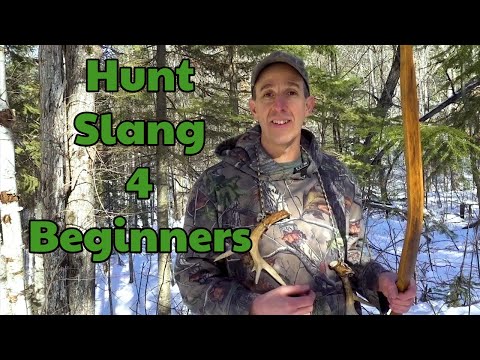
People use names that point to sex, size, antlers, or even behavior.
Hunters make up some of these, others come from local jokes, and a few are just for fun.
Popular Buck and Doe Slang
You’ll hear folks say buck, stag, and hart for grown-up males. These words often connect to age or how impressive the antlers look.
If someone says quarter pounder or wall hanger, they probably mean a big buck with antlers worth showing off. Female deer go by doe or hind most of the time.
Young deer? They get called fawn or button buck if they’re little males just starting to grow antlers.
Hunters talk about resident bucks when they mean local, predictable males they spot on trail cameras.
For mule deer and whitetails, people might use mulie or whitetail to be more specific. These names let you talk about size, sex, or hunting value fast, without a long explanation.
Funny and Creative Deer Nicknames
You’ll run into goofy names like swamp donkey, old long nose, and pretzel head. These usually describe how a deer looks or where it lives.
Swamp donkey means a big buck hanging out in the marsh, and pretzel head points to twisted antlers. If someone calls a deer old long nose, they’re talking about an older, long-faced buck.
Groups of deer sometimes get called a pumpkin patch when they’re out feeding together in a field.
Trail camera fans love to joke about SD card envy when a buddy’s camera catches bigger bucks than theirs.
Some slang, like slick heads or baldies, refers to bucks that have shed their antlers. All these names make stories more colorful and help you picture what’s going on.
Regional and Hunter-Specific Deer Slang
Your hunting crew might use words like stick-n-string for a bow or string music for the sound of a bowshot.
If someone mentions run-n-gun, they’re describing a mobile hunting style. Some folks say trash or fake for bucks that aren’t worth chasing.
On the West Coast, hunters call mule deer mulies or sometimes use the scientific name, Odocoileus hemionus, when they want to sound serious.
In whitetail areas, you’ll hear white-tailed deer or just whitetail all the time.
Learning the local slang helps you follow trail camera reports, pick up hunting strategies, and figure out which bucks—shooters, trophies, or residents—actually matter.
How Slang Names for Deer Are Used in Everyday Language

You’ll spot deer slang in hunting talk, online posts, and even regular conversation.
These words usually point to something you can see right away—behavior, gear, or a physical trait.
Slang in Hunting Culture
Hunters toss around short slang to share info fast during the season.
Words like “rack,” “velvet,” and “shed” help describe antlers and timing without a long explanation.
If someone says a buck has a big rack, you instantly picture those antlers and know it’s a trophy.
Trail cameras spark plenty of bragging and “SD card envy” among deer hunters.
Terms like “run-n-gun” or “stick-n-string” tell you what kind of gear or hunting style someone likes.
During the rut, calling a buck a “stag” or “old long nose” hints at age and behavior.
Shed hunters sometimes call their group a “shed hunting line” when they’re out looking for antlers together.
Modern and Internet Slang for Deer
Online spaces have their own set of playful or teasing names—think “Bambi,” “deericorn,” or “deer in headlights.”
Sites like Urban Thesaurus or Urban Dictionary collect these oddball terms.
Gamers and social media posters come up with their own tags for trail cam pics or mounted trophies.
Internet slang often blends hunting lingo with jokes.
Someone might post a photo and caption it with “string music” to celebrate a perfect bow shot, or poke fun at a friend for missing a clear trail camera pic.
You’ll see people use quick tags—doe, fawn, mulie—so everyone knows the species or age at a glance.
Animal Metaphors and Symbolism
People toss around deer words when they talk about human traits. If someone calls you “naive,” “gullible,” or says you look like “a deer in headlights,” they’re connecting deer behavior to folks who get startled or fooled easily.
That kind of metaphor pops up everywhere—school halls, casual chats, even in slang. Some terms, though, show respect or maybe a bit of mockery.
Take “trophy” or “rack” for example. Those words praise someone’s achievements or even their looks. On the flip side, words like “flag” or “snort” borrow from how deer act, and writers use them in stories to signal alarm or warning.
Every now and then, people invent longer, playful phrases—like “chronic phone display-aphilia”—to poke fun at folks obsessed with hunting photos or gear.


