
You’ll spot deer just about anywhere—wooded trails, open fields, and sometimes right by the roadside. They move quietly and quickly, relying on sharp senses and some pretty fascinating behaviors to survive. Honestly, what makes deer stand out is this mix of super-sensitive hearing and smell, those wild antlers they grow every year, and a stomach that somehow turns tough plants into energy.
Take a closer look and you’ll see how their bodies and senses work together, why antlers matter so much, and how all these different species fit into their environments. I’ll try to keep things simple, with real examples and easy explanations you can picture in your head.
Unique Physical and Sensory Features of Deer

Deer show off a bunch of striking physical traits and sharp senses. These features shape how they eat, move, and warn each other.
You’ll notice antlers, sensitive velvet during growth, impressive hearing and smell, and a stomach that’s built for picky plant eaters.
Antlers and Velvet
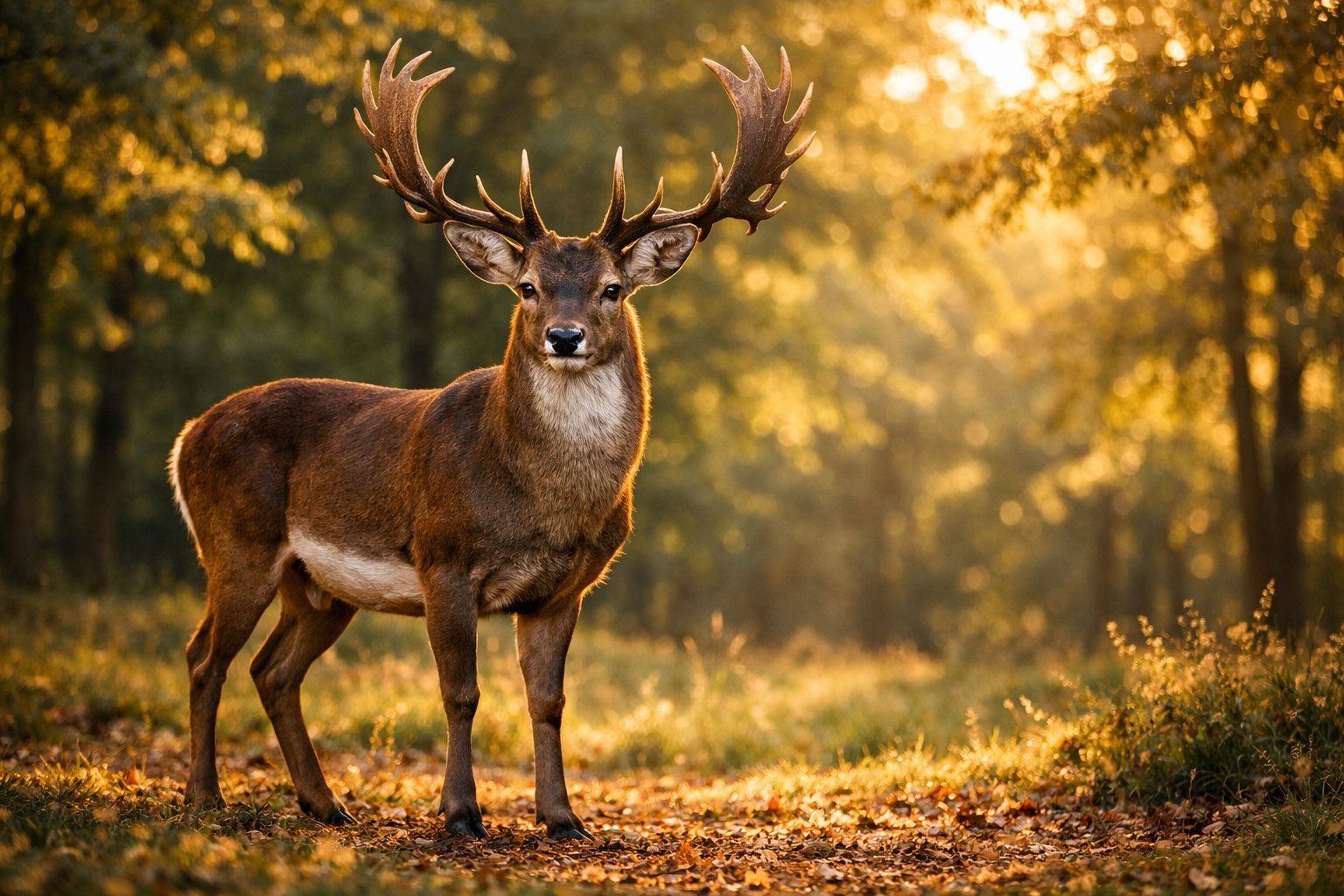
Male deer—bucks or stags—grow branched antlers every year. They use these bony structures for fighting, showing off, and attracting mates.
Antlers start out as soft velvet, which brings blood and nutrients to help them grow. This velvet feels warm and sensitive, and when the antlers finish growing, deer rub the velvet off on branches.
How long does it take for antlers to grow? It really depends on the species and what they’re eating, but it can take months. After mating season, most males shed their antlers and start all over again next year.
Bigger antlers usually mean the buck’s older, healthier, and eating well. Building bone like that takes a lot of protein, minerals, and energy.
Keen Senses and Communication
Deer really trust their noses and ears. They use a sharp sense of smell to find food, sniff out predators, and pick up scents from other deer.
Their eyes sit on the sides of their heads, so they get a wide view and can spot movement easily—even if their color vision isn’t great. Their hearing picks up even the tiniest rustle.
Deer communicate in all sorts of ways: visual signals, scent marking, and different sounds. Ever heard a sudden snort or seen a deer stamp its foot? That’s a warning. You’ll also catch scents from special glands during social or mating times.
Agility, Speed, and Camouflage
Deer can take off in a flash, changing direction quickly. Long legs and those split hooves let them run fast, jump fences, and land softly—even on rocks.
Some species do this weird high jump called stotting or pronking, almost like they’re showing off for predators. Their coats change color with the seasons, blending into forests, fields, or even snow.
When something scares them, deer freeze for a second, then bound away in a zigzag to throw off whatever’s chasing them. Some species sprint across open ground, while others climb and leap in rough terrain.
Digestive System and Diet
Deer have four-chambered stomachs: rumen, reticulum, omasum, and abomasum. This setup lets them ferment tough plants and pull out nutrients from leaves, buds, fruit, nuts, fungi, and young grasses.
They’re picky eaters, usually going for the best plants they can find. Depending on the season and what’s around, you’ll see them switch between grazing and browsing.
They chew their cud, breaking down fibers and getting every last bit of nutrition. Their teeth help too—sharp incisors clip plants, and broad molars grind them up.
A good diet really matters. It affects how many fawns they have and how big their antlers get. Forage is especially important during pregnancy and antler growth.
Types, Species, and Roles in Nature

Deer come in all shapes and sizes. You’ll find huge browsers like moose and tiny, shy pudu. Each one fits into its ecosystem in a different way—and, sometimes, into people’s lives.
Diversity of Deer Species
Every deer belongs to the family Cervidae, with somewhere between 40 and 55 living species. You’ve got giants like moose and elk (sometimes called wapiti), and the now-extinct Irish elk, which was massive.
On the smaller side, there’s pudu and muntjac. In North America, you’ll mostly run into white-tailed deer and mule deer. In Europe, roe and red deer are everywhere.
Reindeer (caribou) live up in the Arctic and are the only deer people have really domesticated. Some species are just plain odd, like the Chinese water deer—no antlers at all. There are also tiny South American and island species, some of which are endangered.
If you want to tell them apart, look at antler shape (branched or simple), body size, coat color, and where they live. Most males grow and shed antlers every year, but even female reindeer get antlers.
Here’s a handy summary on deer diversity from Britannica if you want more details: (https://www.britannica.com/animal/deer).
Life Stages and Social Structure
A deer’s life kicks off as a spotted fawn nursing from its mother. For the first weeks, fawns hide out, staying still and quiet.
They lose their spots after a few months. Depending on the species and what they eat, deer reach sexual maturity in one to three years.
Males grow antlers each year to compete during the rut—the wild, noisy breeding season when bucks fight and show off for does.
Social life varies. Some deer stick together in small groups of does and fawns, while others gather in bigger herds. Males might hang out alone or form bachelor groups outside the rut.
Reindeer and elk often form big herds when the season changes. People influence deer populations a lot—hunting rules and habitat changes shift group sizes and age mixes in local herds.
Ecological Importance and Conservation
Deer really shape plant communities by browsing on young shoots, leaves, and fruits. If you look closely, you’ll see fewer seedlings and different mixes of plants in spots where deer gather in big numbers.
That shifts things for insects and birds, and it changes how forests grow back. Deer also play a big role as prey for predators, and they host ticks and other parasites—so they’re pretty connected to the whole food web.
Conservation efforts usually focus on keeping habitats safe, managing deer populations, and making sure endangered species—like some island or swamp deer—don’t disappear. People use things like regulated hunting, setting up protected areas, and working to restore plant diversity.
In suburbs, too many deer can wreck gardens and native plants. But if deer numbers drop too low, predators lose food and some hunting traditions start to fade.
If you want to help, check your local rules and the status of species like key deer or reindeer. That’s one way to keep deer populations in balance.


