
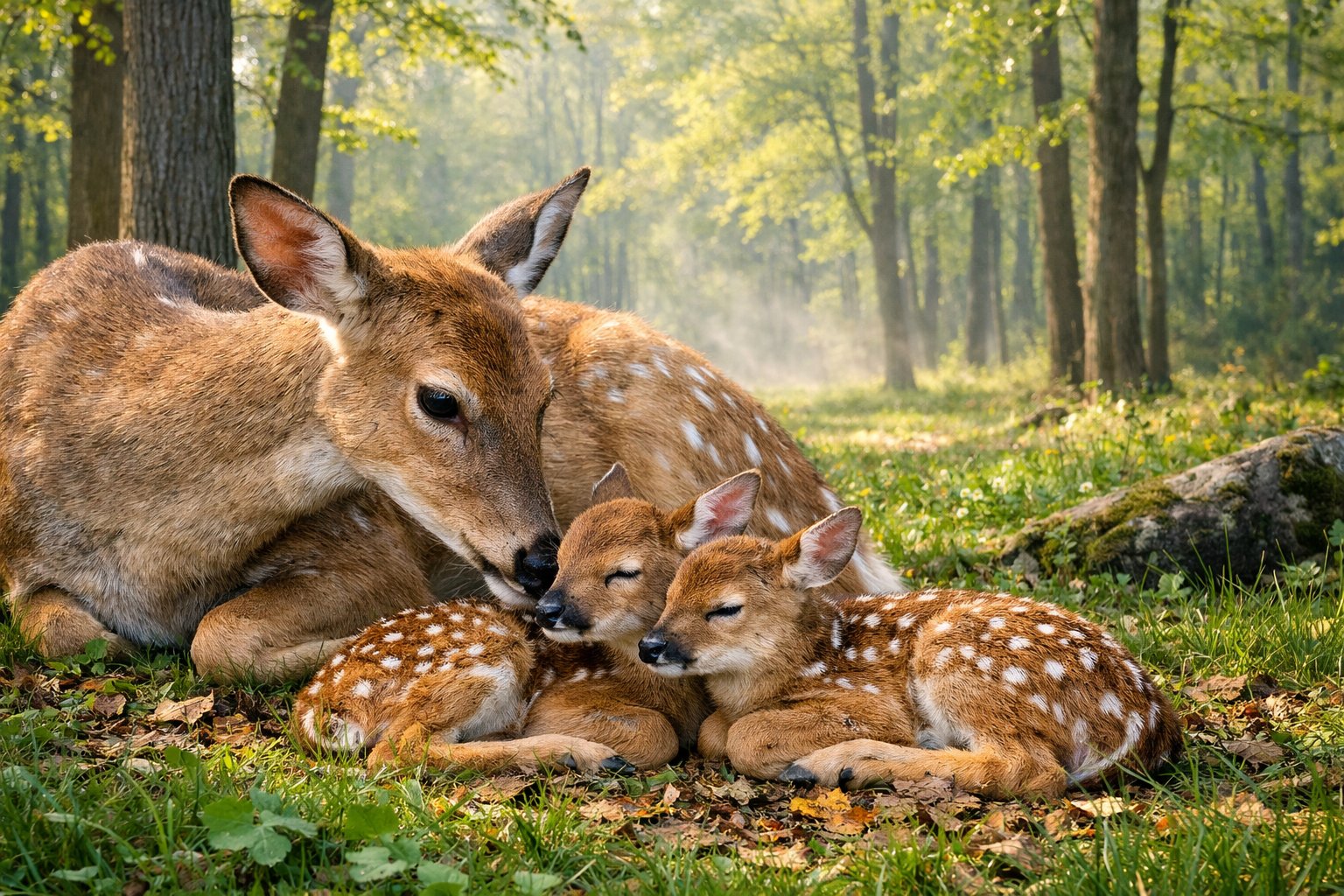
Ever spot a lone fawn curled up in the grass and start wondering if it had siblings? Most deer give birth to one or two fawns at a time. Healthy does in a good habitat sometimes have twins—or, rarely, triplets. Most female deer usually have one or two babies per birth, with twins common in healthy populations.
What actually affects those numbers? Species, age, food, and habitat all play a part. The next sections break down litter sizes and what shapes fawn survival, so you’ll get why some does end up with more babies than others.
How Many Babies Do Deer Have Per Birth?
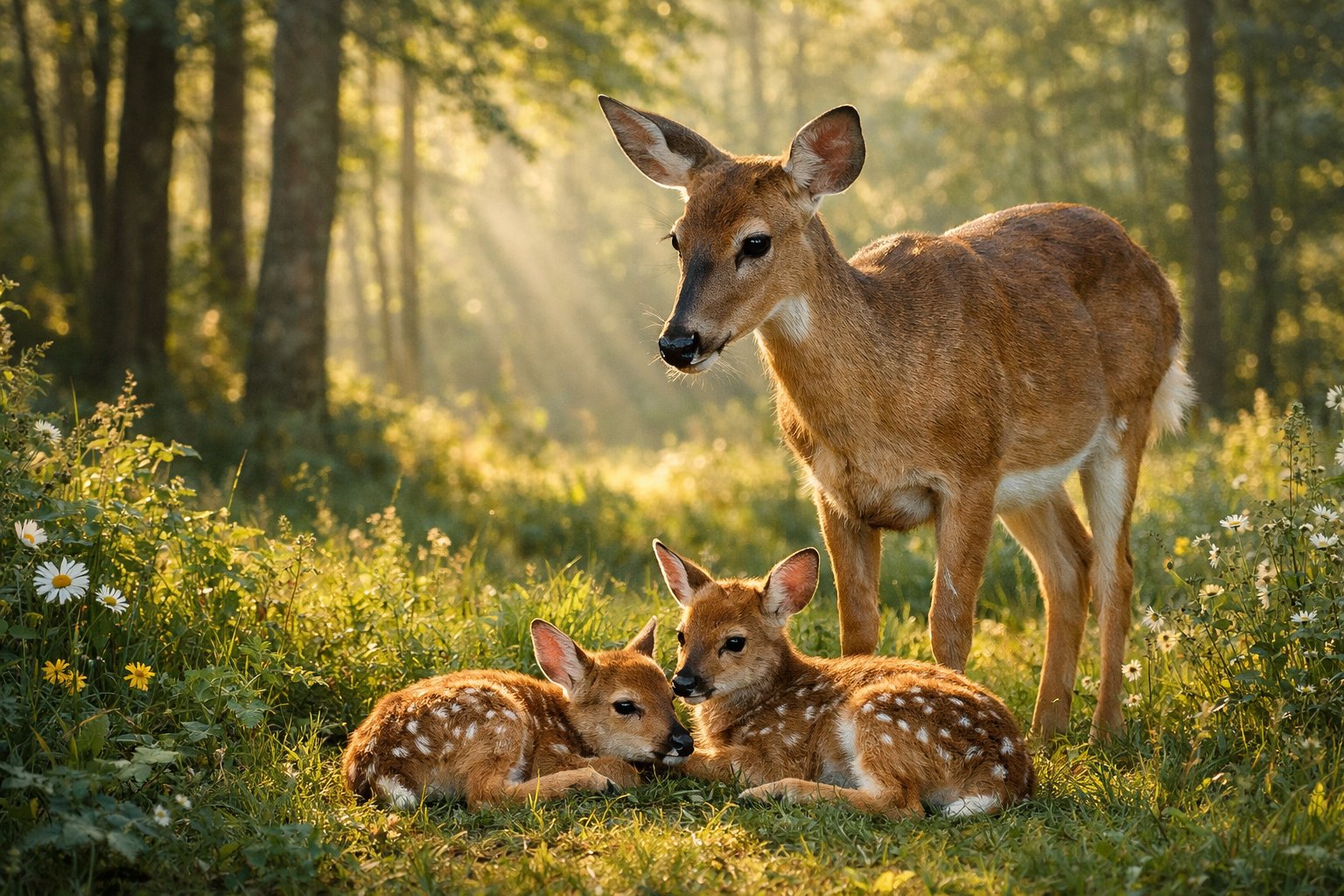
Let’s talk about how many fawns does usually have, how rare big litters are, and how things change with species or the doe’s age and health. Most does have one or two fawns. Triplets—and more—pop up in really healthy herds, but don’t expect to see that every day.
Average Fawn Numbers in Deer
Most female deer give birth to one or two fawns each year. For common North American species like white-tailed deer and mule deer, healthy adults often have twins. First-time mothers usually have just one fawn. Older, more experienced does tend to have twins.
Typical counts look like this:
- Single fawn: pretty common for yearlings and in poor habitats.
- Twins: the norm for healthy adult does.
- Triplets: these show up less often, usually where food is plentiful.
If you live in an area with rich habitat and not many predators, you’ll probably see more twins. In crowded places or those with poor food, single births become more common and fewer fawns make it.
Twins, Triplets, Quadruplets, and Quintuplets: How Rare are They?
Twins are pretty standard for healthy adult does. Triplets? They’re a minority—studies in the Midwest report about 8% of pregnant does carry triplets. Quadruplets and quintuplets? Those are almost unheard of.
Here’s what field studies show:
- Twins: most healthy adults.
- Triplets: about 5–8% in top-notch habitat.
- Quadruplets: less than 1%.
- Quintuplets: extremely rare—maybe one in several thousand does.
If you ever spot four or five fawns with a doe, don’t assume they’re all hers. By fall, young fawns often hang out with other does, so groups can mix.
Difference Between White-Tailed Deer and Mule Deer Litter Sizes
White-tailed deer and mule deer mostly stick to the same pattern: one or two fawns is normal. White-tailed does seem more likely to have twins if they’ve got good habitat. Mule deer, especially in tougher areas, lean toward single births.
What’s typical by species?
- White-tailed deer: twins are common, triplets show up in really productive areas.
- Mule deer: more single births in rougher habitat, twins in better ranges.
Local climate, plant nutrition, and predator numbers all shape litter size for both. For more detailed info, local wildlife agencies usually have reports with exact percentages.
Role of Doe’s Age and Health in Litter Size
A doe’s age plays a big role in how many fawns she has. Yearlings and first-timers usually have one. As does hit their prime (think 2½ to 5 years), they’re way more likely to have twins.
What matters most?
- Good body condition and nutrition boost litter size and survival.
- High-quality food and low stress help does have twins or even triplets.
- Poor nutrition or disease means more single births and sometimes failed pregnancies.
If you know the doe’s age and how good her habitat is, you can pretty much guess her litter size.
Key Factors Affecting Fawn Numbers and Fawn Survival
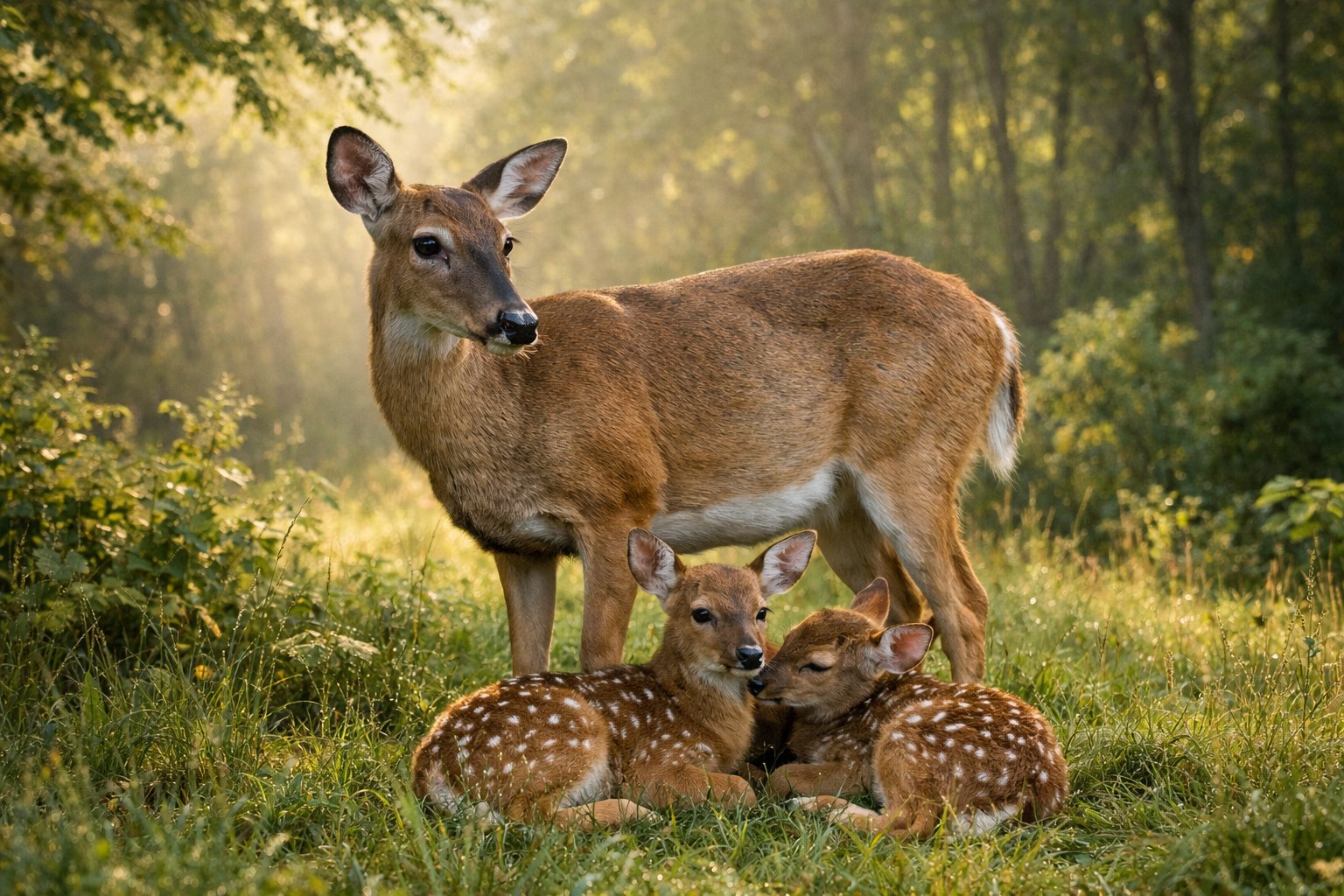
Fawn numbers and survival rates jump around depending on timing, predators, food, and habitat. Each one can bump up or knock down how many fawns a doe has and how many actually grow up.
Seasonal Timing: Spring, Summer, and the Fawning Season
Most fawns show up in late spring or early summer, after about 200 days of gestation. Spring births mean fawns get warm weather and fresh plants, which helps their mothers bounce back and make good milk. You’ll usually spot fawns from May to July in North America.
The rut—mating season—happens in fall and sets the schedule. Does bred at peak rut give birth at the same time next year. If winter’s rough or food runs short, fewer does get pregnant and fawn numbers drop the next season.
If you pay attention locally, you’ll notice: better nutrition and habitat mean more twins, while poor conditions or lots of deer lead to more singles.
Predation and Other Dangers to Newborn Fawns
Newborn fawns have a tough start with predators around. Coyotes take out a lot of fawns in many places. Bears, wolves, and bobcats grab them too, depending on where you are. Predators often strike when fawns hide alone while their moms feed.
Disease can hit survival hard as well. Parasites and viruses weaken fawns, making them easy prey. Humans play a part too—habitat loss and cars add to fawn deaths. Responsible hunting and careful management can help keep populations balanced and lower pressure on fawns.
You can actually help out. Keep pets away from fawn bedding spots and don’t mow or clear brush in spring. That gives fawns better hiding cover and keeps them safer from both predators and people.
The Role of Nutrition, Habitat, and Population Density
What a doe eats before and during pregnancy decides how many fawns she’ll have. High-protein, mineral-rich forage ups the odds of twins. Poor diets lead to single fawns or no pregnancy at all.
Habitat quality matters just as much. Thick grass, shrubs, and forest edges give fawns places to hide and provide food for their mothers. When development chops up habitat, deer lose safe spaces and get pushed into risky areas.
When deer numbers get too high, food per doe drops and disease spreads. That means fewer fawns make it. Managing deer populations—through habitat work or regulated hunting—keeps things in check and supports healthier fawn numbers.
Adaptations: Camouflage and Survival Strategies
Fawns count on camouflage and stillness to stay safe. Their spotted coats scatter their outline, so they blend right into the dappled light of tall grass or brush.
When a predator or even a person gets close, young fawns just freeze. That simple act makes them much harder to spot or smell.
Does get strategic about protecting their fawns. They hide newborns and only show up briefly to nurse, which keeps scent away from the bedding spots.
Sometimes does even separate twins, hoping a predator won’t find both at once. It’s a small but clever move.
These tricks give fawns a fighting chance during those first few vulnerable weeks. Of course, all this works best when there’s enough cover and predators aren’t everywhere. If you’re curious about litter sizes or what affects birth rates, check out how many fawns deer have at a time (https://biologyinsights.com/how-many-fawns-do-deer-have-at-a-time/).


