
You’ve probably caught a deer staring and wondered what’s going on. Usually, deer fix their gaze to check if you’re a threat, sniff out your scent, and listen for sounds before deciding whether to bolt or chill out. When a deer looks at you, it’s almost always freezing up to figure out if you’re dangerous—not because it’s curious or friendly.
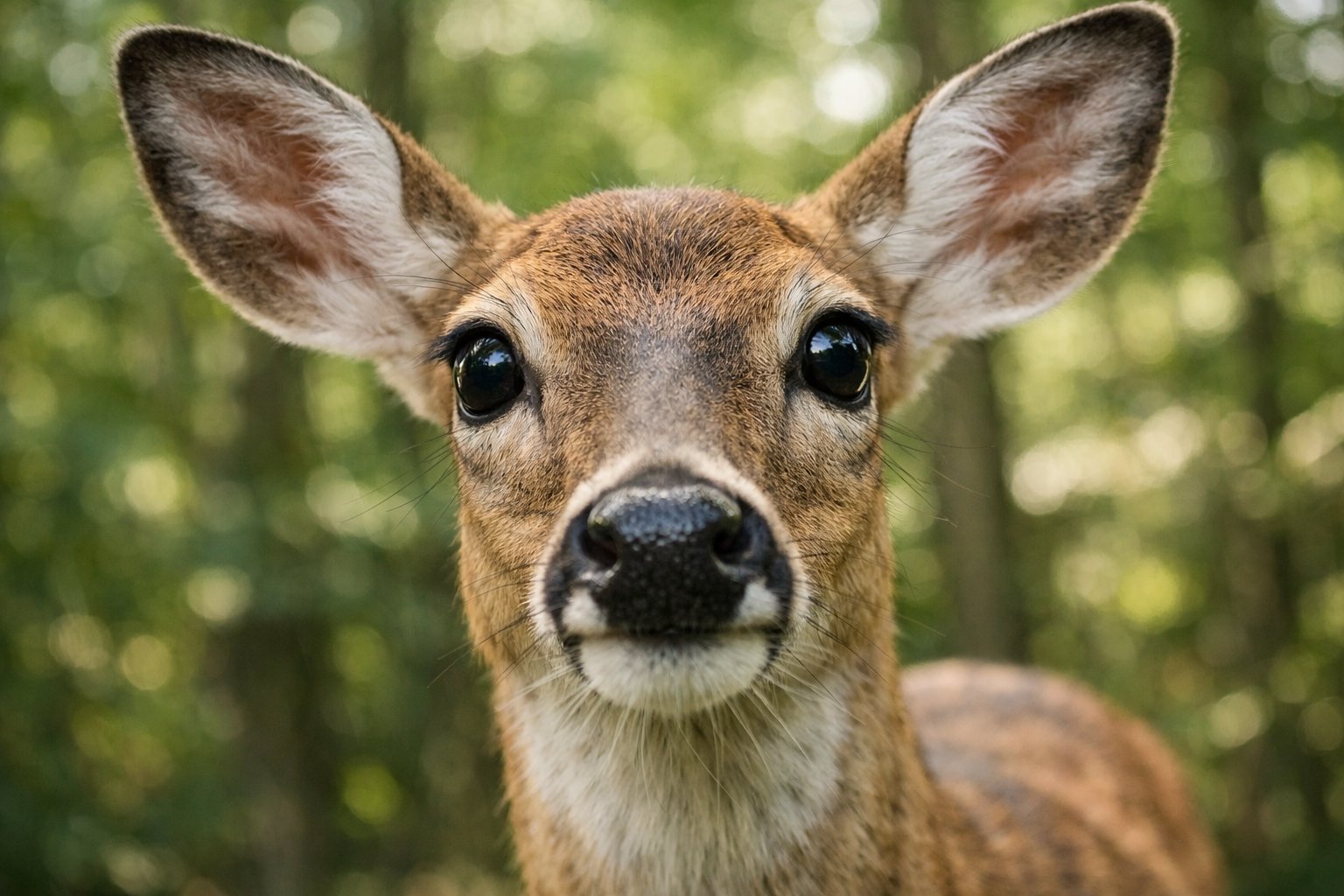
Watch the deer’s body language and notice the wind. Even a tiny movement, a sudden gust, or a weird noise can turn that stare into a full-on sprint.
The next sections break down what that stare really means, how deer actually sense the world, and what you should do if you end up face-to-face with one. Staying safe goes both ways.
Why Do Deer Look at You?
Deer will just stop and stare to collect info, judge the risk, and figure out their next move. That look might mean they’re about to dash, they’re curious, or they’re trying to pick up your scent and any sounds you’re making.
Survival Instincts and the Freeze Response
When a deer locks eyes with you, it’s usually using its freeze response. Freezing makes them harder to spot and buys time to check for danger.
You might see the deer with its head up, breathing slow but alert, muscles tensed and ready to spring away. It’s not calm, though—its heart’s probably racing and its senses are working overtime.
If you move fast, the deer will almost always run. But if you just stand there quietly, the deer might relax and go back to grazing after a careful look.
Curiosity Versus Caution
Sometimes deer get curious about new stuff around them, including you. You’ll notice head tilts, tiny steps forward, or slow chewing while it keeps an eye on you.
That’s how they figure out if you’re safe to ignore. But even when deer seem interested, they stay cautious.
They balance curiosity with a quick escape plan. If you shift your position, make a sound, or the wind changes, curiosity flips to fear.
Don’t try to approach—a curious deer isn’t giving you permission to get closer.
The Role of Deer Senses
Deer rely on sight, hearing, and smell to size you up. Their eyes sit on the sides of their head, so they get a super wide view and can spot movement, but they don’t see details straight ahead as well.
A big stare helps them focus on your shape. Their ears swivel around to catch every sound, and their nose is crazy sensitive.
If the wind blows your scent toward them, they’ll stare even longer. At dawn or dusk, when it’s dim, deer depend more on smell and movement, so sometimes you’ll get an extra-long stare.
If you want them to calm down, hold still and avoid sudden noises.
Interpreting Deer Body Language
Try looking past the stare to figure out the deer’s mood. Ears pinned back, a raised tail, stomping, or snorting means the deer feels agitated—back off if you see that.
Ears pointed forward, a relaxed tail, and slow blinking usually mean the deer is just curious and not too worried.
If it shifts its weight to its back legs or tenses up, it’s probably about to run. A doe with a fawn nearby might stare you down even longer.
Use binoculars or just keep your distance. Watching their body language helps you guess if they’ll stick around or suddenly take off.
You can dive deeper into how deer judge threats and freeze in this detailed guide on decoding deer behavior.
Deer Encounters and Human Interaction

Deer react to people by checking for danger, sniffing out food, and sometimes freaking out at sudden lights or noises. You’ll lower the risk and stress for both of you if you move slowly, keep your distance, and never feed wild deer.
Respecting Wildlife and Safe Behavior
Try to stay at least 25–50 feet from deer if you can. Reach for binoculars or use your camera’s zoom instead of walking closer.
If a deer spots you, just stop and stand still—any quick move might make it run. Don’t box a deer in.
Always leave it a way out toward the woods or cover. If you see a doe with fawns, back away slowly and add more space.
Watch for ear position and tail flicks—they’ll clue you in if the deer feels safe or is about to bolt.
If you’re out with your dog, keep it leashed and nearby. Dogs chasing deer can trigger panic or push deer into dangerous spots like roads.
At night, bring a flashlight and talk softly so deer know you’re coming.
Impact of Feeding Deer
Feeding deer messes with their natural habits and can end up hurting them—and you. Human food and handouts make deer lose their healthy fear of people.
That means they might wander into yards, roads, or near kids. Fed deer gather in bigger groups, which spreads disease faster.
Giving them extra food can mess up their migration, body condition, and even the local plants. Most parks and wildlife agencies ban feeding for these reasons.
Check the rules and signs; if feeding is allowed for management, only do it with professional advice.
If you want to help deer, plant native trees and shrubs for food and shelter. Leave some leaves and brush piles for fawns to hide in.
It’s better to give them space and natural food than treats.
Why Deer Freeze in Headlights
Deer freeze up when bright headlights suddenly hit them. Their eyes catch the harsh light and movement, and their first instinct is just to stop and figure out what’s going on.
Sometimes, freezing helps them blend into the environment. But unfortunately, it also means they might just stand there in the road.
If you’re driving at dusk or dawn, try slowing down a bit. Use your high beams when it’s safe—honestly, it gives you a better shot at spotting deer before you’re right on top of them.
Spot a deer in your lane? Hit the brakes hard and keep straight. Swerving usually makes things worse, not better.
Try tapping your horn in short bursts. That might nudge the deer to move off the road.
Deer rarely travel alone. If you see one, there’s a good chance a few more are about to cross too.
Stay alert and be ready for more animals, especially during those early morning or evening drives.


