
You might expect reindeer to taste like any other venison, but honestly, it often surprises people. The flavor is milder and leaner, somewhere between beef and wild game.
You’ll usually find reindeer meat to be lean, tender, and a bit sweet, with just a touch of gaminess—though that really depends on how the animal lived and what it ate.
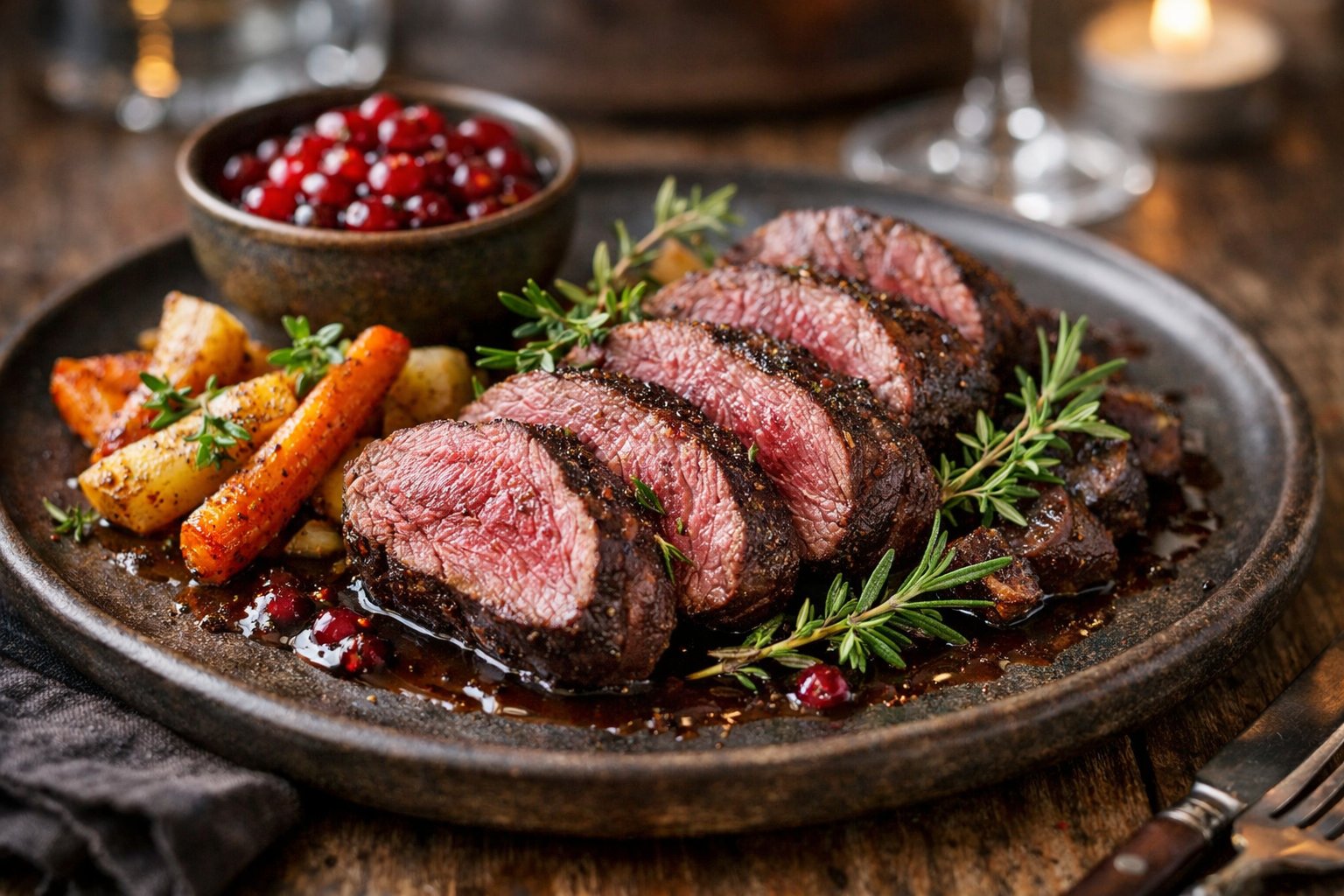
If you stick around, you’ll see how wild versus farmed reindeer can really change the taste. I’ll throw in some simple cooking tips too, so you can actually get the best out of it.
Let’s get into what you can expect and what shapes the flavor, so you’ll feel a bit more confident if you ever decide to try it.
What Does Reindeer Taste Like?

Reindeer meat brings a clean, lean taste with mild sweetness and sometimes a little gamey edge. You’ll notice the flavor changes with diet, age, and whether it grew up wild or on a farm.
Flavor Profile of Reindeer Meat
Reindeer sits somewhere between beef and venison. At first bite, you might catch a mild sweetness, then a deep, savory flavor from the muscle.
Sometimes you’ll taste iron or mineral notes, especially in late-winter caribou. That can leave just a hint of tang.
Gamey notes vary a lot. Wild or pasture-fed reindeer tend to taste earthier and stronger, picking up flavors from moss, berries, and shrubs.
Domesticated or grain-fed reindeer come across milder, almost like lean beef. I’d say season it lightly at first, just to see what you’re working with.
Think of reindeer as a bold but clean-tasting red meat. It pairs up nicely with juniper, lingonberry, mushrooms, and simple sauces that let the meat speak for itself.
Texture and Tenderness
Reindeer meat is super lean and, when you cut from the loin or backstrap, usually pretty tender. Quick-cooking cuts like steaks stay soft if you don’t overcook them.
Since fat is scarce, the meat dries out fast. Medium-rare to medium is the sweet spot for juiciness.
Tougher cuts like shoulder or shank shine when you braise or stew them slowly. That low-and-slow approach breaks down connective tissue and gives you a rich, silky stew.
Ground reindeer works great in sausages or patties, especially with a bit of added fat to keep things moist.
Because it’s so lean, you’ve got to handle reindeer meat gently. Let it rest after cooking so the juices stay put, and slice it thin for the best bite.
Comparison with Venison, Beef, and Other Game Meats
Compared to regular venison, reindeer is usually milder and a bit sweeter. The texture is less stringy than some wild deer, and the grain is finer.
If you compare it to beef, reindeer is leaner and doesn’t have that buttery, fatty feel.
Against elk or moose, reindeer feels lighter and less aggressively gamey. If you think venison is too strong, reindeer makes a friendlier introduction to game meats.
When you cook it, treat it like premium lean venison or maybe grass-fed beef. Use quick, hot sears for tender cuts, and slow, moist methods for the tougher ones.
Keep the seasoning simple so the unique flavor of reindeer comes through.
If you’re curious about how diet changes the taste, check out this piece on reindeer flavor factors (https://a-z-animals.com/animals/reindeer/discover-the-unique-flavor-and-health-benefits-of-reindeer-meat).
Factors Affecting the Taste of Reindeer
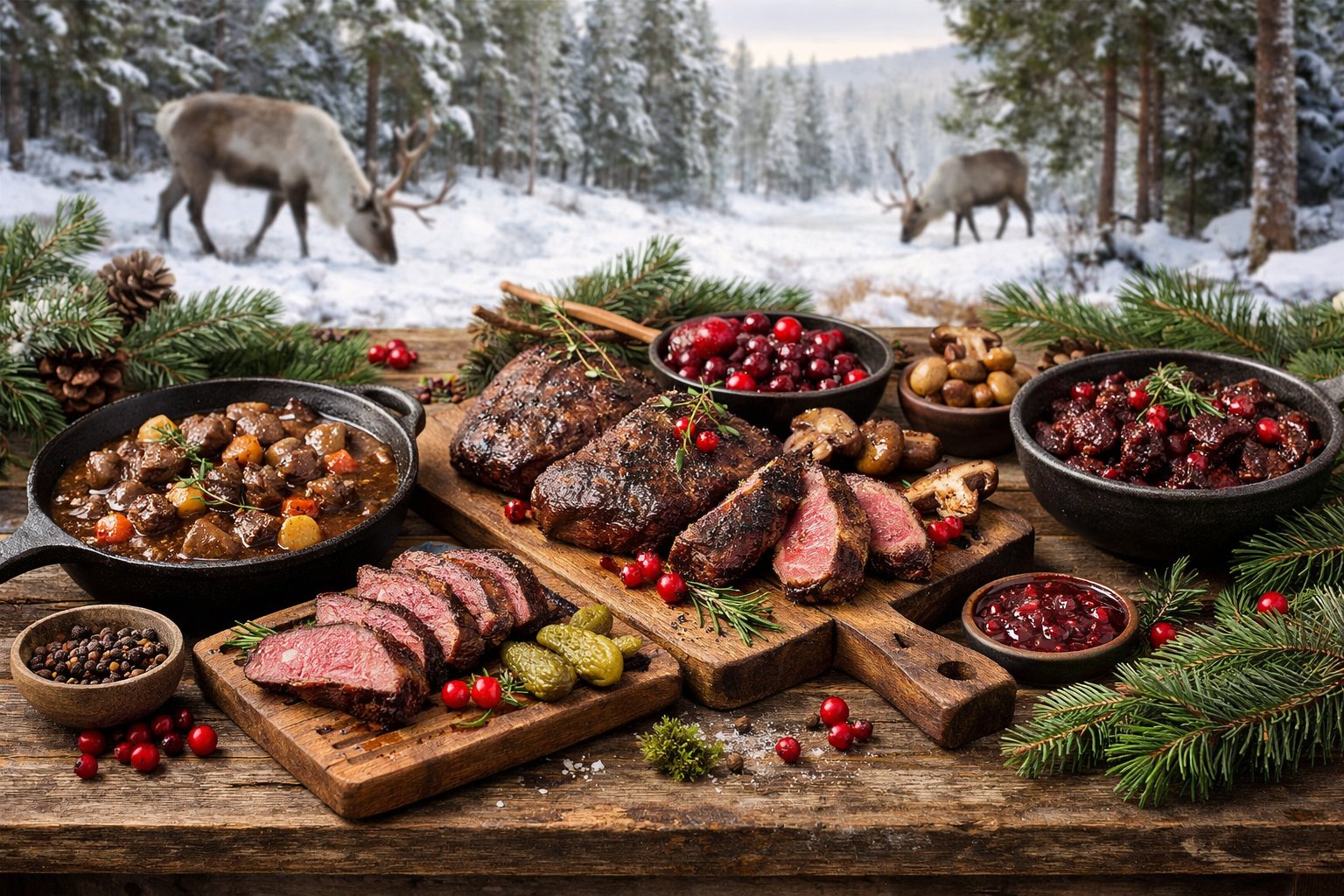
Reindeer flavor changes a lot depending on how the animal lived, what it ate, and where it came from. You’ll spot differences between wild and farmed animals, between summer and winter meat, and across regions with their own herding and cooking traditions.
Wild Versus Farmed Reindeer
Wild reindeer, or caribou in North America, usually taste more robust and earthy. They graze on lichens, shrubs, and whatever seasonal plants they find, which gives the meat a stronger, sometimes gamey note.
If you try wild meat, expect a firmer texture because these animals move around a lot.
Farmed reindeer, raised on managed pastures or sometimes given grain, taste milder and more consistent. Meat from a farm tends to be lean and tender, with less of that metallic tang some folks pick up in wild venison.
Farming lets producers control things like age at slaughter and processing, so cuts are often handled to keep them tender.
Reindeer Diet and Pastures
What a reindeer eats really shapes its flavor. Lichen-rich diets, common in tundra and boreal areas, bring an earthy sweetness and a forest-like aroma.
Grass and herb pastures give a cleaner, milder taste. On farms, when reindeer get grain or hay, their meat turns out softer and less gamey.
Pasture quality matters, too. Coastal or marshy grazing can add mineral notes. Managed pastures keep the flavor steadier from season to season.
If you want to know more about diet impacts, ask producers or check labels from European or North American sources.
Impact of Age, Season, and Cut
Younger animals give you tender, delicate-flavored meat. Older reindeer develop richer, deeper flavors and a firmer texture.
Season makes a difference as well. Winter animals often have more concentrated flavor, thanks to increased fat and diet changes before the freeze.
Cuts really matter. Fillet and loin are lean and mild, best cooked rare to medium-rare. Shoulder and brisket have more connective tissue, so they do well with slow cooking for a richer, beef-like depth.
Ground reindeer spreads the flavor evenly and is a good choice if you want something milder.
Influence of Geography and Indigenous Practices
Geography really sets the baseline here. Scandinavian reindeer from Norway or Sweden usually taste different than North American caribou, mostly because of what they eat and the local climate.
Mountain grazing changes both the fat and aroma compared to lowland tundra. It’s kind of fascinating how much the landscape gets into the meat.
Indigenous peoples like the Sami—and other reindeer-herding groups—have a huge impact on flavor too. They handle and butcher reindeer using traditional methods.
Things like immediate field dressing or air-drying can either mellow out or sharpen the taste. Some families age the meat, which adds another layer.
You’ll come across cultural recipes pairing reindeer with dairy, berries, or herbs. That’s usually to balance out those strong, gamey notes.
Buying from indigenous herders often means you’re getting meat processed with these time-honored techniques. It definitely shapes the final flavor in a way you can taste.


