
Most of the time, deer just want to avoid people. But sometimes, they get dangerous. When a deer feels trapped, is guarding fawns, or if you’re dealing with a rutting buck, you could be at risk for a serious attack involving hooves or antlers. Let’s dig into when deer stay chill and those moments when they might flip, so you can keep yourself safe.
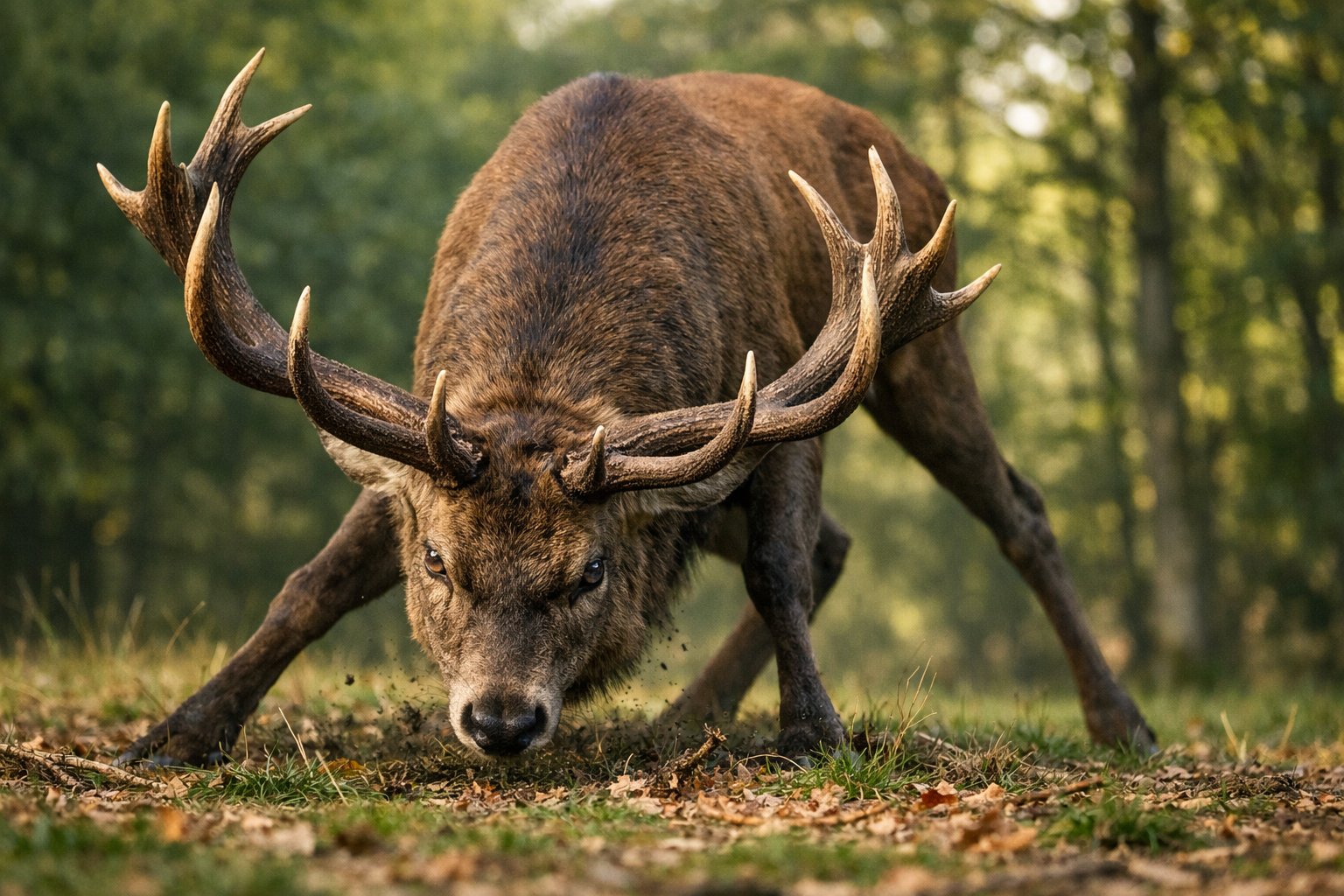
We’ll look at what really drives deer to act out, what warning signs to watch for, and some easy ways to keep your distance. Honestly, just knowing a few basics could help you dodge the rare but real risks that come with deer.
Understanding Deer Aggression

Deer aren’t really out looking for a fight, but in some situations, they’ll get aggressive. It helps to know what sets them off, when bucks are at their worst, how does act around fawns, and what to do if you run into one up close.
Common Triggers for Aggressive Behavior
A deer might lash out if it feels trapped, sick, or just plain stressed. If food’s scarce, there are too many deer, or their habitat shrinks, they sometimes get bold—even around people.
Deer that start getting food from people lose their fear and can get pushy. Their body language gives them away: watch for stomping, snorting, a lowered head, or hair standing up.
Those signs mean you should keep your distance. Don’t feed deer, lock up trash and pet food, and back off if you see those signals.
Rutting Season and Buck Aggression
When rutting season hits, bucks get pumped full of testosterone and act like they own the place. They wander more, chase does, and fight other bucks—antlers clashing and all.
You might spot them sparring, chasing, or just standing their ground near does or a good patch of territory. If you see a rutting buck, slowly back away.
Never get between two fighting bucks. If a buck’s showing off his antlers or thrashing plants, steer clear.
Driving at dawn or dusk? Slow down. Rutting bucks cross roads more and car collisions spike during this time.
Protective Actions During Fawning Season
Does get super protective when fawns are nearby, especially in late spring and early summer. Sometimes, a doe will hide her fawn in tall grass and chase off anything that comes close.
She’ll stomp, snort, or even charge if she thinks you’re a threat. If you spot a fawn alone, leave it be.
Mom’s usually close and will come back once you’re gone. Quietly move away and give the spot a wide berth.
If a doe approaches with aggressive signals, just put more space between you and her without running. Always keep pets leashed.
Aggressive Encounters with Humans and Pets
Most deer attacks on people happen because someone cornered the animal, provoked it, or got too close to a fawn. Dogs that bark or chase deer almost always trigger trouble.
Leash your pets in deer country and don’t let them chase wildlife. If a deer charges, make yourself look big, yell, and back away to a solid spot or your car.
Use trees or fences as a shield if you can. If deer keep showing up in your yard, try deer-resistant plants, hide attractants, or call your local wildlife folks for tips.
You can read more about deer aggression during the rut and fawn protection.
Safety Around Deer and Responding to Aggression

Deer are usually mellow, but in the wrong situation, they can get dangerous fast. Give them space, stay alert for warning signs, and have a plan in case one acts up.
Recognizing Warning Signs of Aggression
Pay attention to their body language. If a deer lowers its head, pins its ears, stamps a hoof, or just freezes and stares at you, it’s not happy.
Bucks might snort, scrape the ground, or show raised hair on their neck. Does get more defensive near fawns.
Stay at least 50 yards away if you can see a deer. If it comes closer or follows you, slowly back off and put something solid—like a tree or a car—between you and the animal.
Never feed, touch, or corner deer. Feeding them just makes them bolder and more likely to cause trouble.
Leash your pets and move away calmly. Dogs that run at deer can get everyone in trouble.
Check local rules and call animal control or wildlife authorities if a deer looks sick, injured, or keeps coming up to people.
How to Respond If a Deer Attacks
If a deer charges you, get behind something solid like a tree or vehicle right away. If you can’t, run in a zigzag—deer are fast, but they can’t turn as quickly as you can.
If you fall, curl up and protect your head and neck with your arms. Use your backpack or jacket as a shield against hooves or antlers.
Afterward, get medical help for any deep cuts or punctures. Antler wounds bleed a lot and can get infected.
Let animal control or wildlife officials know about serious attacks. They’ll figure out if the deer’s dangerous or sick.
If the deer seems healthy but aggressive, they can help with non-lethal control or relocation if that’s allowed.
Tips for Avoiding Aggressive Encounters
Don’t walk up to deer for photos or try to feed them. If you garden, use motion-activated lights or sprinklers and switch up deer repellents to keep them working.
Plant things deer don’t like to cut down on visits. During the rut (fall) and fawning season (spring), deer are more active, so be extra careful.
Watch out at dawn and dusk—deer love to move around then, especially near roads and trails. Slow down when driving in deer country and use high beams when it’s safe to spot them early.
Keep your trash secure and cover compost piles. Food scraps draw in deer and other critters.
If a deer keeps hanging around your home, call your local wildlife agency for advice on how to keep it away, or if you need permits or extra help.
Managing Deer Encounters in Urban Areas
In towns, deer tend to lose their fear of people pretty quickly. If you notice neighbors feeding deer, ask them to stop—it just makes the deer stick around and get bolder.
Maybe suggest your local wildlife agency step in and offer some community education. People need reminders about keeping a safe distance and understanding the laws that protect deer.
Try putting up tall fences or deer netting around your garden. Electric fencing or even battery-powered options can work if your space is small.
For bigger areas, you might want to look into professional deer-proof planting or call in licensed wildlife control for humane solutions.
If you spot a deer that looks injured, don’t try to handle it yourself. Call animal control or your state wildlife agency right away.
And if you see a deer acting aggressive or way too comfortable around people, report it. That way, the experts can decide if deterrence, conditioning, or even relocation is the right move.


