
So, you spotted a deer in your garden—try not to panic. Just keep your distance and stay calm.
Move slowly, watch from afar, and let the deer wander off unless it’s injured or trapped. That way, you’re safe and the deer doesn’t get too stressed.

Once the deer leaves, take a look around for any damage. Make a note of what it ate so you can plan how to stop it from returning.
This post will help you notice deer activity, figure out how much trouble they’re causing, and use some simple tricks to keep your plants safe.
How to Identify Deer and Their Impact on Your Garden

Try to spot clear signs and patterns of damage. Keep an eye out for tracks, droppings, and which plants got nibbled to figure out if deer are the real problem.
Spotting Signs of Deer Activity
Check for small, round droppings in clusters. You’ll often find these pellet-shaped piles along trails or near the edges of your garden.
Look for hoof prints in any soft dirt or mud. Deer tracks have two long, heart-shaped halves—white-tailed and mule deer leave similar marks.
Watch for paths where grass or plants look trampled down. Deer tend to use the same routes, so those beaten tracks usually lead right to their favorite snacks.
Take a look around at dawn or dusk, since that’s when deer are most active. Sometimes you’ll spot a deer silhouette by your fence, or just a flick of an ear before it disappears.
If you’ve got motion-activated lights or a camera, those can catch deer in the act and show you exactly which plants they’re after.
Recognizing Deer-Related Plant Damage
Deer love to nip off shoots, buds, and soft stems, leaving edges that look ragged or torn. Roses, tulips, hostas, lettuce, beans, peas, daylilies, and hydrangeas often end up on their menu.
Check for stripped bark or bite marks around the base of young fruit trees and saplings. Sometimes bucks rub their antlers on trunks, peeling bark and breaking branches.
You’ll usually notice damage at the tops of plants first—deer can reach up for fresh growth. If you see missing seedlings or ground-level grazing, you might have a bigger problem.
Compare what you see to rabbit or rodent damage: deer bites are bigger and higher up. Look around for a pattern—if several plants show the same kind of damage, deer are probably to blame.
Understanding Deer Behavior in Gardens
Deer go for tender, nutrient-rich shoots and will come back if food’s easy to find. If you’re growing veggies like lettuce, beans, or peas, expect them to return during the season.
They mostly feed at night, but in quiet neighborhoods, they’ll wander around during the day too. When deer populations run high or wild food gets scarce, they get bolder and come closer to homes.
Deer jump fences or squeeze through small gaps, so any barrier needs to be tall and solid. They also learn fast—a bad taste or weird smell might scare them off for a bit, but if they’re hungry, they’ll be back.
Knowing what and when deer like to eat helps you decide where to put repellents, netting, or deer-resistant plants.
Effective Steps to Deter Deer and Protect Your Garden
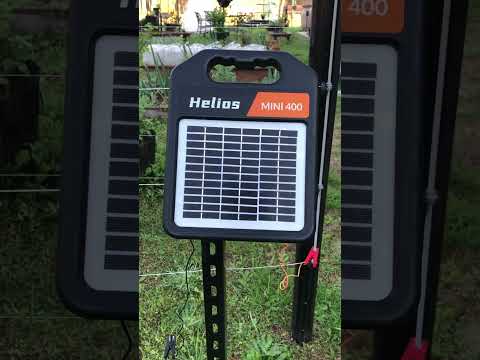
Try using a mix of strategies: pick plants that deer usually avoid, set up strong fences or netting, and use repellents or scent tricks. Even small steps like trimming low branches or picking up fallen fruit can help cut down on deer visits.
Deer-Resistant Plants and Smart Plant Selection
Choose plants that deer don’t like and plant them along borders or around your favorite beds. Strong-smelling herbs—lavender, rosemary, thyme, oregano, mint, and sage—work well near the edges.
Try bulbs like daffodils and alliums; deer skip them, so they’re great near paths and under trees. Tough plants—ornamental grasses, russian sage, hellebores, and catmint—make good living barriers that deer usually ignore unless they’re desperate.
Protect young trees by wrapping trunks with netting or cages until they’re sturdy. Shrubs with spiny, coarse, or aromatic leaves can form a living fence and make it harder for deer to snack on your garden.
Physical Barriers and Fencing Options
A good fence makes a huge difference. Build one that’s at least 8 feet tall, or try a double-fence setup (two shorter fences a few feet apart) to keep deer out.
If you want to keep your view, use angled rails on top to make it harder for deer to jump without blocking everything.
For a temporary fix, put up 6-foot deer netting around beds or use low tunnels over veggies. Secure the netting with sturdy posts and bury the bottom a few inches so deer can’t push underneath.
Wrap apple trees and other fruit trees with trunk guards or wire cages to protect bark and branches. Motion-activated sprinklers can surprise deer at entry points and chase them back into the woods.
Natural and Commercial Deer Repellents
Switch up repellents so deer don’t get used to one scent. Commercial sprays usually contain things like rotten egg solids, garlic, or even predator scents—spray them on leaves and reapply after rain.
You can also make a quick homemade mix: whisk one raw egg, 1/2 cup milk, 1 tbsp dish soap, and 1 gallon water. Spray it every week and after it rains.
Scatter predator urine around the edges of your yard and set up motion-activated lights or noise-makers. Hanging human hair or old deodorant in mesh bags at about four feet on tree limbs adds a weird human scent that might keep deer guessing.
Always read the label on commercial products and don’t put anything risky on parts of plants you plan to eat.
Companion Planting and Scent-Based Deterrents
Try companion planting to mask tempting scents and make your garden less appealing. Plant marigolds, garlic, onions, or strong herbs near crops like tomatoes and strawberries.
You can group pungent herbs with young shrubs or fruit trees. That way, deer get confused by all the mixed smells and tastes.
For extra protection, hang up nylon stockings stuffed with human hair or bars of strong soap around the garden. Some folks use cloths soaked with Lysol—just tie them to fence posts or branches along the edges.
Switch up these scent items every so often. If you let them sit too long, deer might just get used to them.
Mix in some visual tricks, too. Predator decoys or shiny pie tins can catch a deer’s eye and make them think twice.
Want the best results? Pair motion-activated devices with your scent barriers. That combo really boosts your odds of keeping deer out.


