
Ever spot a doe and wonder how long she’s pregnant? Deer usually carry their young for about 200 days—so, that’s roughly six and a half to seven months. If they mate in the fall, you’ll typically see fawns born in late spring or early summer.
That timing isn’t just a coincidence. Fawns arrive when food and cover are at their best, which gives them a fighting chance.

Let’s look at how the deer reproductive cycle lines up with mating season. Why does that timing matter for fawn development and local deer numbers? Stick around to get a sense of the biology behind pregnancy length and what it means for deer on your land.
Deer Gestation Period and Pregnancy Duration
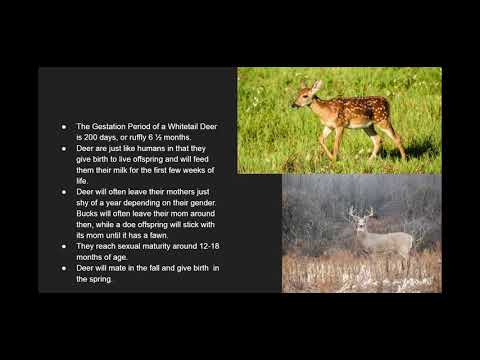
Deer follow a pretty fixed seasonal pattern when they carry their young. Let’s break down the typical pregnancy lengths, how different species compare, and what changes the timeline for a doe.
Average Length of Deer Pregnancy
Most deer pregnancies last about 200 to 210 days.
White-tailed deer (whitetail deer) usually fall between that 200 and 210-day window, so fawns show up in late spring. Mule deer pregnancies run close to 200 days as well, sometimes a little longer in certain places.
You probably won’t notice a pregnant doe’s belly for most of the winter. Implantation and fetal growth follow the seasons, so it’s not always obvious. Most does have one or two fawns, and bigger species tend to have single births more often.
If you know the roughly 200-day timeline, you can guess birth windows based on when the fall rut happens.
Gestation Differences Among Deer Species
Gestation changes depending on species and size.
Moose and elk, being bigger, carry their young longer—think 230 to 265 days. Smaller deer, like muntjac or some tropical species, usually have shorter pregnancies, often around 180 to 200 days.
White-tailed and mule deer land near 200 days, while reindeer and some red deer populations hit about 200 to 220 days. If you’re tracking fawn season or managing habitat, those differences matter.
Working with a specific species? Check their unique dates for monitoring and protection.
Key Factors That Influence Gestation Period
Nutrition, climate, and breeding timing all play a role.
A doe in poor shape might conceive late or have slower fetal growth, shifting birth dates. Colder climates don’t really shorten gestation, but the timing of the rut and, in some species, delayed implantation can affect when fawns show up.
First-time mothers sometimes carry smaller fawns and their timing can be a bit different than older does.
Stress and human disturbance can mess with conception and fetal health, so try to keep things quiet around known nursery spots if you can.
Want to dive deeper? Check out this overview of deer gestation periods.
Mating Season, Fawn Development, and Managing Deer Populations

Let’s talk about when deer mate, how fawns grow, and some real-world ways people manage deer numbers and boost fawn survival.
Timing of Mating and Pregnancy
Deer usually mate in the fall.
For white-tailed and mule deer, mating peaks as daylight gets shorter—so, October or November most places. That means fawns show up about 200 days later, usually in late May or June.
If a doe misses the main rut, she can cycle again and conceive later. That leads to late-born fawns who face tougher odds during their first winter.
Local climate and hunting seasons can shift the rut by weeks, especially in warmer areas. If you happen to keep a pet deer, know that pregnancy follows the same light cues and you’ll want to plan vet visits around those dates.
Stages of Fetal Growth and Fawn Birth
For most North American deer, pregnancy lasts about 190 to 205 days.
Early on, the embryo implants and organs start forming. In mid-gestation, the fetus grows fast and stores fat. The last month or so, the doe really needs high-quality food for the fawn’s muscles and bones.
Labor can take just a few minutes or a couple of hours. Does look for cover and usually hide their fawns right after birth.
Fawns arrive with spotted coats and stand up within an hour. If you spot a fawn alone, it’s best to leave it be—the mother almost always comes back several times a day to nurse.
Survival, Fawn Care, and Population Management
Fawn survival really comes down to cover, how well the mother eats, and what kind of predators lurk around. Thick brush or tall grass gives newborns a fighting chance to hide.
If a doe stays in good shape, her fawns come out heavier and stand a better shot at making it. Late-born fawns, though—they usually weigh less and honestly, winter gets rough for them.
Wildlife managers actually look at timing and survey data to decide on hunting seasons and bag limits. They’ll work on habitat, sometimes focus harvests on bucks or does, and handle predators if it makes sense.
If you’re caring for pet or captive deer, you need to keep their food steady, get a vet to check in during late pregnancy, and make sure the birthing spot is safe. Hunters and land managers end up working together a lot to keep deer numbers in check, cut down on habitat damage, and make sure fawns keep coming back each year.
Curious about when fawns show up and why timing even matters? Check out When fawns are born and why timing matters (https://scienceinsights.org/how-long-is-a-deer-pregnant-the-gestation-period-explained/).


