
You keep seeing deer in myths, art, and holy texts, and maybe you wonder—who do they really belong to? In a lot of traditions, deer get linked to several gods—Cernunnos in Celtic lore, Artemis or Diana in Greco-Roman stories. In the Bible, though, deer show up more as a symbol of longing for God, not as a mascot for any one deity.
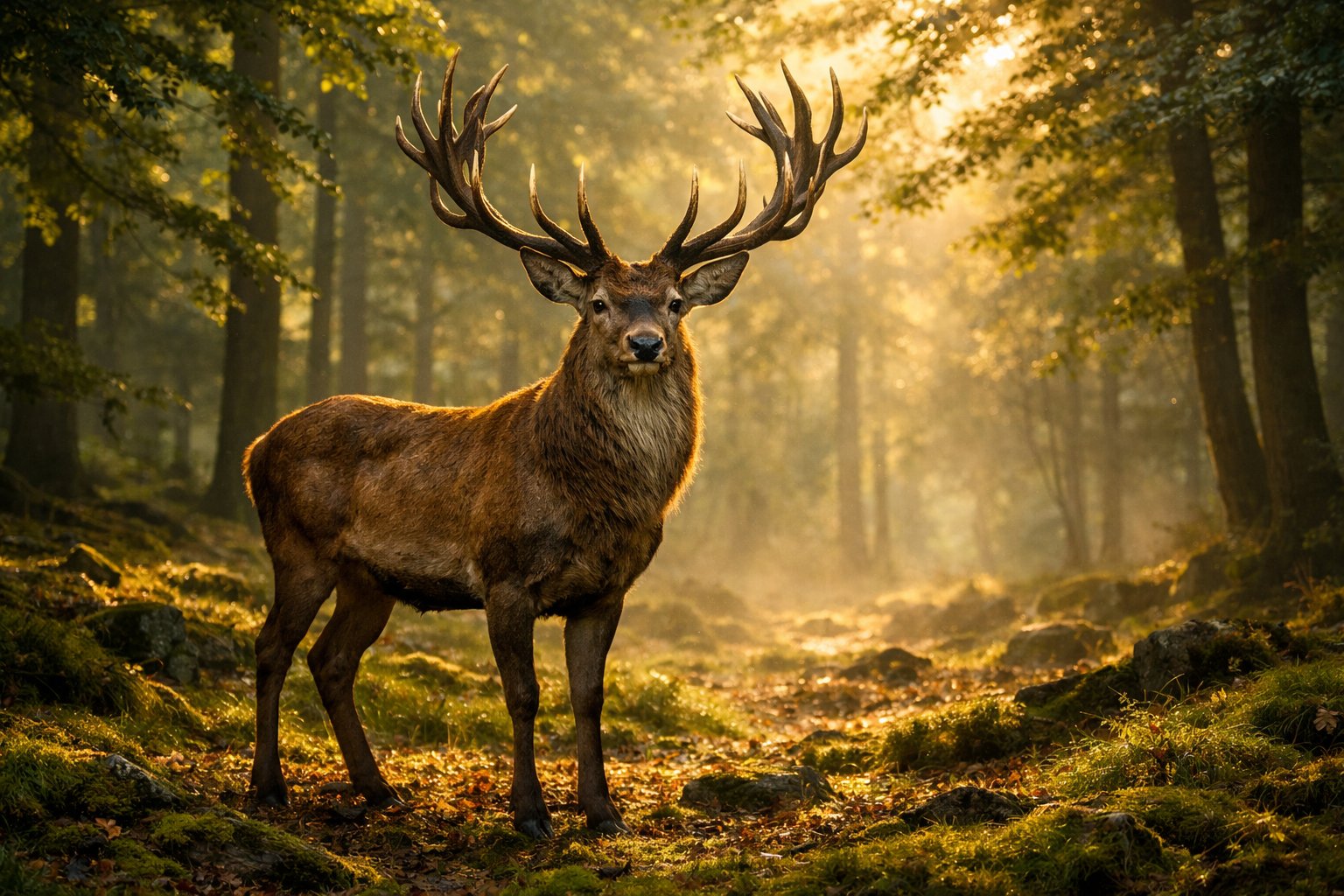
Stick around and let’s see how different cultures connect deer to their gods, why the Bible uses deer as a spiritual image, and maybe what it all means if you’re searching for signs in the wild.
Which God’s Symbol Is a Deer in the Bible?

When you look at the Bible, deer point to God’s care, strength, and our own longing for him. Writers use deer to show thirst, speed, and God-given footing, mostly in poetry and worship.
Deer Symbolism in Old Testament Verses
Habakkuk 3:19 says God makes feet “like hinds’ feet,” promising steady footing and divine strength in tough spots. Isaiah 35:6 adds that the healed will “leap as a hart,” so deer become a sign of restoration.
Military and praise texts, like 2 Samuel 22:34 and Psalm 18:33, say God makes you “light of foot” like a deer so you can run or leap. These verses highlight agility and skill.
Levitical laws and Deuteronomy mention deer as clean meat, tying the animal to daily provision. These references feel practical, not mythic. They show how Israel saw God’s care in war, worship, and even dinner.
Deer Imagery and Spiritual Longing
Psalm 42:1 paints a vivid picture: “As the deer pants for streams of water, so my soul pants for you, O God.” That’s not casual—it’s desperate need for God’s presence.
The deer’s hunt for water becomes a model for prayer and dependence. Song of Solomon uses deer a bit differently. Song of Solomon 2:9 and a few other spots connect the stag or hind to desire and beauty in love poetry.
Sometimes that image points to God’s passionate pursuit of you, or maybe just human longing for closeness. Whether in a lament or a love song, the deer shows longing, urgency, and the life-or-death nature of what’s being sought.
Stag and Hind: Distinctions in Scripture
The Bible uses different Hebrew words—”yachmur” and “ayal”—that get translated as hart, hind, or stag. A hind (female) stands for swiftness and sure-footedness on cliffs, showing survival and grace.
A stag (male) highlights strength and speed. Genesis 49:21 calls Naphtali “a hind let loose,” blessing him with words about beauty and agility.
Context shapes the meaning. In worship or prophetic texts, the hind image leans toward positioning and dependence (think Habakkuk, Psalms). In love poetry, it’s more about desire and pursuit.
These differences matter because the ancient world used similar animal images, and Israel adapted them to talk about God’s help, provision, and the soul’s thirst.
The Spiritual Significance and Symbolism of Deer

The deer stands for gentle strength, deep longing, and quick movement toward what keeps you alive. You’ll notice images of grace, thirst for God, and the need for shelter running through biblical and spiritual texts.
Grace, Beauty, and Agility in Biblical Symbolism
You can almost see the deer’s smooth movement and quiet stance when Scripture or devotional writers talk about grace and beauty. In poetic books like Psalms and Song of Solomon, the deer’s elegance becomes a way to describe inner humility and outward gentleness.
That kind of beauty points to moral qualities—meekness, modesty, and a graceful trust in God instead of pride. Agility and swift feet come up in verses that praise God for giving “feet like a deer.” Divine strength helps you move through hard places.
This image ties beauty to practical ability: grace isn’t just pretty, it helps you get through danger and hardship with steadiness.
Spiritual Thirst, Freedom, and Divine Provision
When Psalm 42:1 says a deer pants for water, it’s a clear picture of spiritual thirst. The deer’s urgent search for streams mirrors your own need for God’s presence and provision in dry seasons.
Longing like that drives you toward prayer and devotion, not just empty ritual. Freedom and swiftness show up when texts describe God enabling people to move on high places.
Divine provision often comes with agility—God gives you strength and guidance to cross risky ground. You rely on both your thirst (desire) and God’s supply to keep moving.
Gentleness, Vulnerability, and Faith
The deer’s gentle nature highlights a faith that’s soft, not pushy or forceful. Gentleness means you trust God instead of trying to control everything.
Vulnerability is part of that posture—a deer puts itself at risk but survives by staying alert and relying on the herd or God’s care. Gentleness isn’t weakness.
In biblical terms, meekness carries real power. Humble, gentle faith invites God’s protection and shapes how you treat others, reflecting the kind of Christlike behavior you see in the Gospels.
Protection, Refuge, and Spiritual Journey
The deer brings to mind refuge and a path winding through the wilderness. You might picture someone searching for shelter or stumbling across a stream where life feels fresh again.
In spiritual terms, that’s a lot like how people lean on God for protection and guidance. Life’s journey can get wild, and sometimes you just need to know someone’s got your back.
When you hit tough times, the deer’s quickness and keen senses show you how to move with faith. You figure out when to run, when to stop, and who you can really trust for strength.
That blend—protection, finding refuge, and moving forward—mirrors a spiritual journey that relies on divine care and steady devotion.


