
If you watch deer for any length of time, you’ll notice they’re constantly trying to survive. They forage at dawn and dusk, stay sharp for danger, and use scent or body language to talk to each other. Their behavior shifts with the seasons.
A deer’s main focus is simple: find food, avoid predators, and reproduce. These basic needs drive all sorts of interesting actions you might spot in the wild.
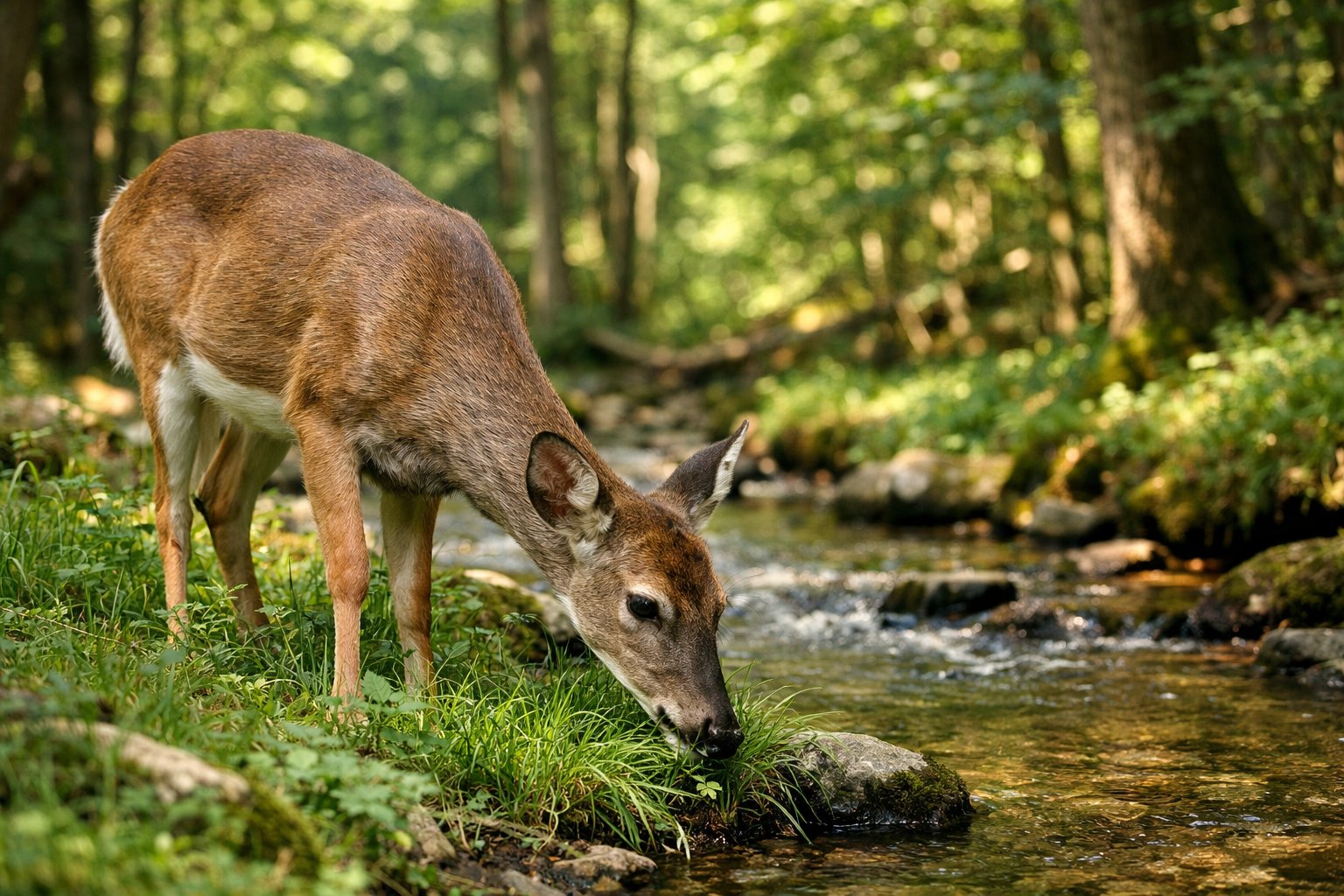
Curious how deer spend their days? Let’s dig into how they move, how family groups and scent signals shape their social lives, and how the rut or changing seasons alter what they do.
Notice the little signs—like a raised tail or a freshly rubbed tree. These small details often reveal exactly what a deer is up to, if you know what to look for.
Core Deer Behaviours and Daily Life

Most of the time, deer focus on finding food, staying hidden, and keeping their group safe. Their routines shift with the seasons, and you’ll spot patterns in how they eat, move, and communicate—mostly without making a sound.
Feeding Habits and Foraging
Deer are picky eaters. You’ll see them nibble young shoots, leaves, acorns, fruit, or grasses, depending on what’s available.
In spring and summer, they love tender new growth and forbs. When fall comes, they switch to acorns and apples to build up fat for winter.
You’ll usually spot deer feeding at dawn and dusk, though sometimes they’ll grab a snack at night, especially near people. They don’t linger in one spot—they take a few bites, move on, and avoid over-browsing or attracting predators.
- Favorite foods: new shoots, browse, acorns, fruits, grasses.
- Seasonal shift: high-protein plants in summer, high-calorie mast in fall.
- Foraging strategy: move often, feed near cover, save energy in winter.
Social Structure and Herd Dynamics
Deer often group up, but their herds change with the season and whether they’re male or female. Female deer and their fawns stick together in matriarchal groups.
Males usually hang out alone or in small bachelor groups when it’s not breeding season. During the rut, bucks compete and break away from their usual groups.
Dominance shows up in sparring, antler size, and who gets access to does. Fawns survive best in quiet, hidden bedding spots that females pick near food and cover.
Key points:
- Herds change by species, habitat, and time of year.
- Older females typically lead.
- Social bonds help spot danger and find food.
Communication and Non-Verbal Signals
Deer don’t make much noise. Most of their communication is silent.
You’ll notice tail-flagging, ear position, body posture, and scent marks more than anything else. When a deer raises its white tail, it’s a clear danger signal to others.
Scent glands on their legs, forehead, and chest spread messages about territory, mating, and identity. Bucks rub trees and scrape the ground to lay down scent and show off. Mothers use soft mews to guide fawns, and fawns answer with bleats if they get separated.
Common signals:
- Tail flag = alarm.
- Ear and head position = alertness.
- Rubs and scrapes = scent messages.
Movement Patterns and Habitat Use
Deer pick spots with food, water, and cover. You’ll find them feeding at forest edges, bedding down in thick brush, and traveling set trails between those spots.
When winters get rough, some deer migrate to lower ground or sheltered valleys. In winter, they don’t move much—saving energy is key. When spring arrives, they roam farther to find new food.
In the suburbs, deer often feed at night and use parks or yards for food, sticking close to hedges and woods for safety.
Practical notes:
- Look for trails, tracks, and droppings to map their routes.
- Field-forest edges are popular hangouts.
- Movement changes with weather, predators, and people.
Seasonal, Mating, and Defensive Behaviours
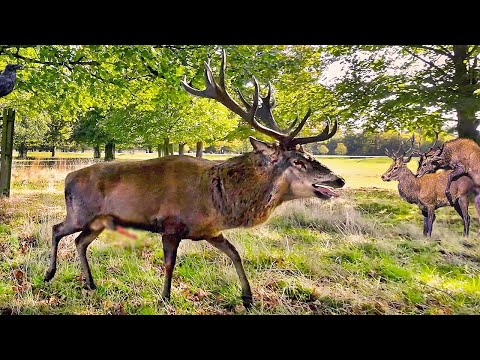
Deer change their behavior with the seasons. You’ll see intense mating chases, lots of territorial marks, careful predator avoidance, and sometimes more run-ins with people.
The Rut and Breeding Season Changes
During the rut, bucks stop focusing on food and start searching for does. Hormones surge in autumn as days get shorter.
Males travel farther, sometimes even during daylight, and you’ll hear more vocalizations and see chasing. Does come into estrus briefly—just a day or two—so bucks need to act fast.
The timing of the rut depends on where you are. In many places, white-tailed deer peak in November. Sometimes you’ll see several bucks following one doe or forming temporary “rutting groups.”
Things like hunting pressure or food supply can change how intense the rut gets. In areas with lots of disturbance, bucks might rut at odd times. Wildlife managers keep an eye on rut timing to protect fawns and keep populations balanced.
Territorial Actions, Scrapes, and Antler Rubbing
Bucks use rubs and scrapes to mark territory and show dominance. Antler rubbing gets rid of velvet and leaves visible marks on trees.
Scrapes are shallow spots where bucks pee or leave scent from glands—you’ll spot these along trails. These marks advertise a buck’s presence, test if females are ready, and warn rivals.
Territorial behavior isn’t always about holding one spot. During the rut, bucks roam widely to find does. Bigger antlers usually mean higher status.
In red deer and whitetail herds, dominant bucks get more chances to mate. Fresh rubs and scrapes in late summer or fall show active territory use and hint that rutting is near.
Predator Avoidance and Survival Strategies
Deer have a bunch of ways to dodge predators like wolves, coyotes, or humans. They’re most active at dawn and dusk—times when predators are less likely to catch them.
They rely on sharp hearing, a strong sense of smell, and quick, bounding leaps to escape. Fawns hide and freeze in cover while their mothers feed nearby.
When winter gets tough or food runs low, deer adjust how far they travel and how big their groups are. Some move to better winter ranges, while others stay put if there’s enough food and shelter.
If you want to help, support wildlife corridors so deer can move safely between feeding and shelter spots. Good habitat management and careful hunting schedules take stress off herds and help them survive in the long run.
Human-Deer Interactions and Management
You’ll probably spot deer near suburbs, farms, and roads more often these days as their habitat keeps shrinking and breaking up.
That means more car accidents, damage to gardens, and sometimes even the spread of disease.
Some folks try deer-resistant plants or put up fencing to keep gardens safe, but honestly, how well that works depends on how many deer are around and what else they can eat.
Hunters, wildlife agencies, and conservation groups all work together to keep deer populations in check.
They set hunting seasons, bag limits, and do regular population surveys.
Sometimes, managers have to remove deer in certain urban areas or encourage natural predators, if that makes sense for the region.
You can help by planning wildlife corridors, planting native plants that deer actually browse, and following local rules about feeding or scaring off deer.
If you happen to see a sick deer or one acting way too bold, let your local wildlife folks know.
They rely on those reports to tweak their strategies and keep both people and deer safer.


