
Ever spotted a tiny deer in a video and wondered what to call it? People usually call a very small deer a pudu—the world’s smallest deer species, though there are a few other little ones out there too. Let’s check out the names and quirks that make these pocket-sized deer stand out.
We’ll look at how small deer differ in appearance, where they live, and what makes the pudu so interesting. Expect quick facts about their size, their habitats, and some of the odd things they do that make them fun to learn about.
Names and Types of Small Deer
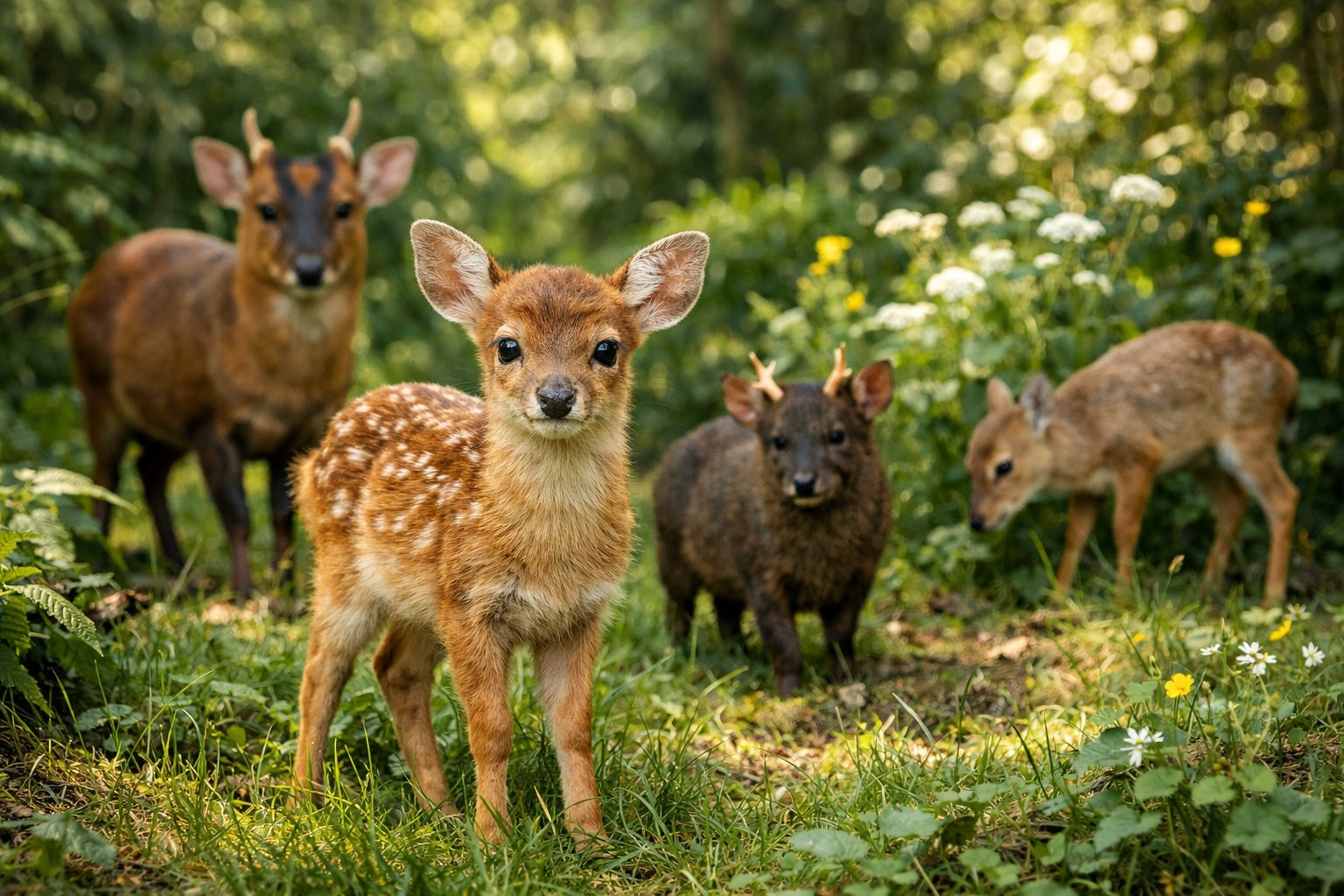
Small deer come in all sorts of types and names. Here’s a look at the usual baby deer names, the tiny pudu, and other little species like muntjac, chevrotain, and roe deer.
Common Terms for Small Deer: Fawn, Kid, and Calf
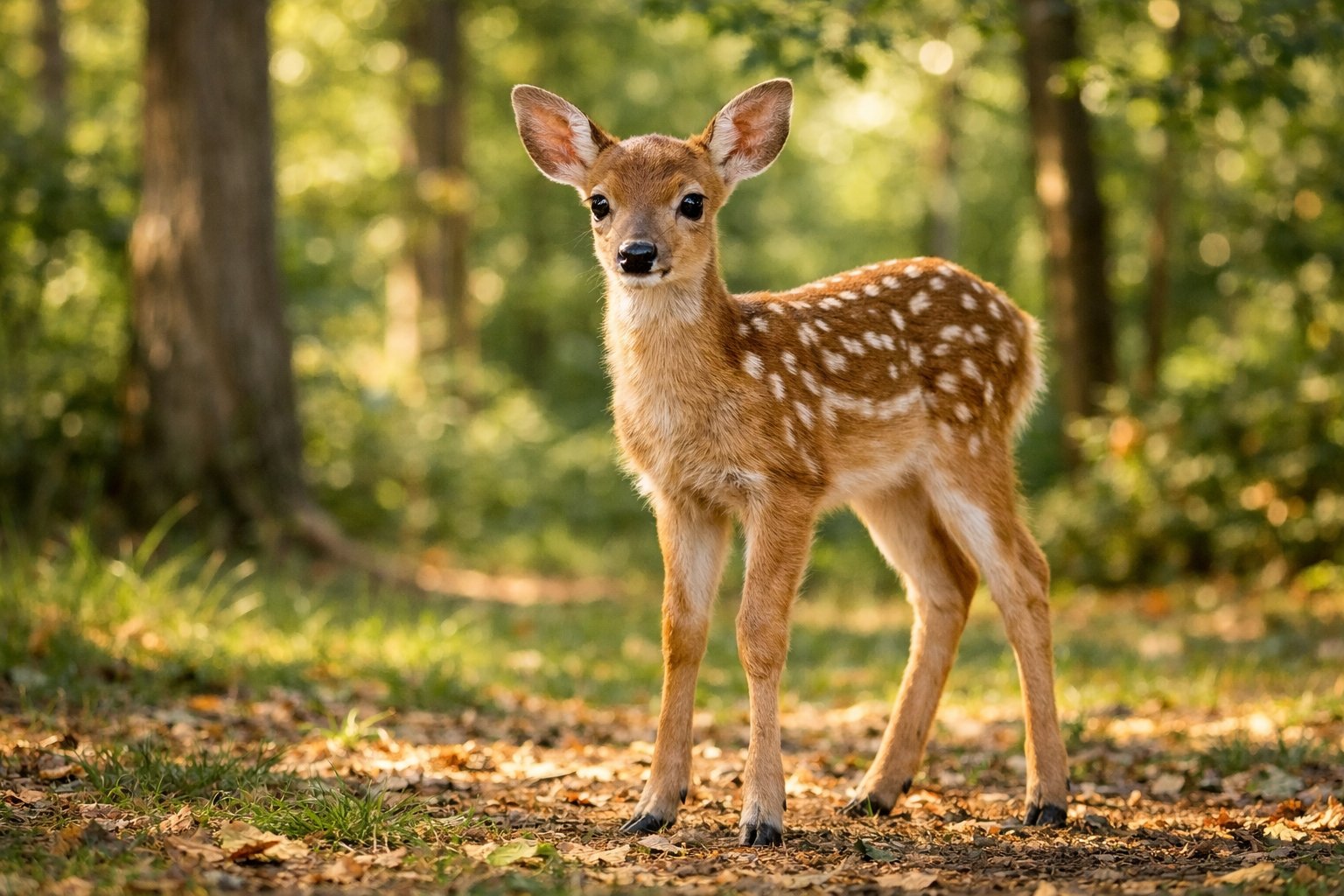
When you see a baby deer, you’ll almost always hear people call it a fawn. That’s the go-to word for young deer in the Cervidae family, especially white-tailed and roe deer.
Some folks use different words, though. Calf pops up for bigger deer, like elk or reindeer. Kid is rare for deer—honestly, it’s mostly for goats, but you might hear it in casual chat or certain regions.
A few things to remember:
- Fawn: most common for true deer; they’re usually born with spotted coats.
- Calf: used for big species or in farm talk.
- Kid: pretty informal, more for goats, but you never know.
These names help you guess the age and maybe the size, but not the species. For that, check out their size, markings, and where you find them.
Pudu: The Smallest Deer Species in the World
The pudu is honestly the tiniest deer you’ll ever see. Both southern and northern pudu stand just 12–16 inches at the shoulder and weigh anywhere from 7 to 33 pounds, depending on the type and sex.
You’ll find pudus in thick South American forests. They’ve got short legs, round little bodies, and, if it’s a male, tiny antlers. Pudus usually stick to themselves or hang out in pairs, not big groups.
A few things that stand out:
- Height: really, about the size of a small dog.
- Coat: thick and dark brown.
- Behavior: pretty shy, sneaks through dense brush, and sometimes stands on hind legs to nibble leaves.
If you’re comparing, pudus are way smaller than a whitetail fawn. They hold the title for the smallest confirmed deer in the world.
Other Miniature Deer: Muntjac, Chevrotain, and Roe Deer
Muntjac, chevrotain, and roe deer all bring their own twist to “small deer.” Muntjacs—sometimes called barking deer—are small, chunky Asian deer with short antlers. They stand about 14–20 inches tall and can get kind of loud and territorial.
Chevrotains (or mouse deer) aren’t always counted as “true” deer, but they’re super tiny, almost rabbit-sized, and live in Asia and Africa. They weigh just a few pounds and don’t have antlers. Instead, males might have little tusk-like teeth.
Roe deer are European and pretty small compared to other deer. Adult roe bucks reach about 2–2.5 feet at the shoulder, and their young are called fawns. Roe deer like mixed woods and farmland, and you’ll see them darting around—agile and compact.
To tell these species apart, look at their size, whether they have antlers or tusks, and where they live. Each one has its own way of making life work in thick forests or near people.
Fascinating Details About the Pudu

Let’s get into what makes the pudu tick. We’ll cover its body, its home, what it likes to eat, and what threatens it out in the wild.
Physical Features and Adaptations
Pudus easily earn the title of world’s smallest deer. The northern pudu (Pudu mephistophiles) stands around 32–35 cm at the shoulder and weighs about 3–6 kg. The southern pudu (Pudu puda) is a bit bigger—35–45 cm tall and up to 13 kg on rare occasions.
They’ve got short legs, tiny black eyes, round ears, and a stubby tail. Males grow short, backward-curving antlers, while females don’t have any. Their fur is usually reddish-brown to dark brown and sits close to the body, which helps them disappear in the shadows.
Pudus sometimes stand on their hind legs or press down saplings to grab leaves. They’ll even bend bamboo or climb low branches if they need to.
They also have big facial scent glands and leave little dung piles to mark their turf. Their small hooves and dewclaws let them move quietly across wet, uneven ground.
Habitat, Diet, and Behavior
Pudus make their home in the rainforests and mountain forests of South America. The southern pudu lives in Chile and Argentina, from sea level up to about 2,000 meters. The northern pudu sticks to the Andes in Colombia, Ecuador, Peru, and Venezuela, usually between 2,000 and 4,000 meters.
They eat all sorts of greens—leaves, shrubs, ferns, bamboo shoots, fruit, berries, fungi, and bark. Pudus get most of their water from juicy plants and can go a long time without drinking. You’ll almost always find them alone. They’re solitary and most active at dawn and dusk.
Mothers hide their newborn fawns—often still spotted in the southern species—until they’re strong enough to wander. Gestation lasts about 202–223 days, and most babies show up in spring.
Predators like foxes, owls, and cougars go after pudus. To escape, pudus zigzag, climb, or just freeze and hope they aren’t spotted.
Conservation Status and Threats
The southern pudu (Pudu puda) sits on the IUCN Red List as Near Threatened. Meanwhile, the northern pudu? Its status is just Data Deficient.
Logging, agriculture, and development have wiped out a lot of their habitat. On top of that, poaching and invasive predators make things even tougher for them.
When forests get chopped up, tiny groups of pudus end up stuck, far from each other. That isolation really hurts their genetic diversity.
Some protected areas exist, and people have set up captive-breeding programs. A few pudus have even been reintroduced into the wild.
If you want to help, try respecting those protected parks or support habitat restoration. Learning about the Mapuche people and local conservation work can make a difference too.
International trade rules list pudus under CITES, which helps keep exploitation in check.


