
You’ve probably spotted deer on a country lane or lurking at the edge of a wood and wondered—are they really pests? It’s not that simple. Deer aren’t just “pests” everywhere in the UK. Their impact depends on species, where they live, and the damage they actually cause. So, it’s management that really counts, not just the label.
Let’s dig into which deer cause trouble, why their numbers have shot up, and what you can actually do to keep things balanced for both wildlife and people.
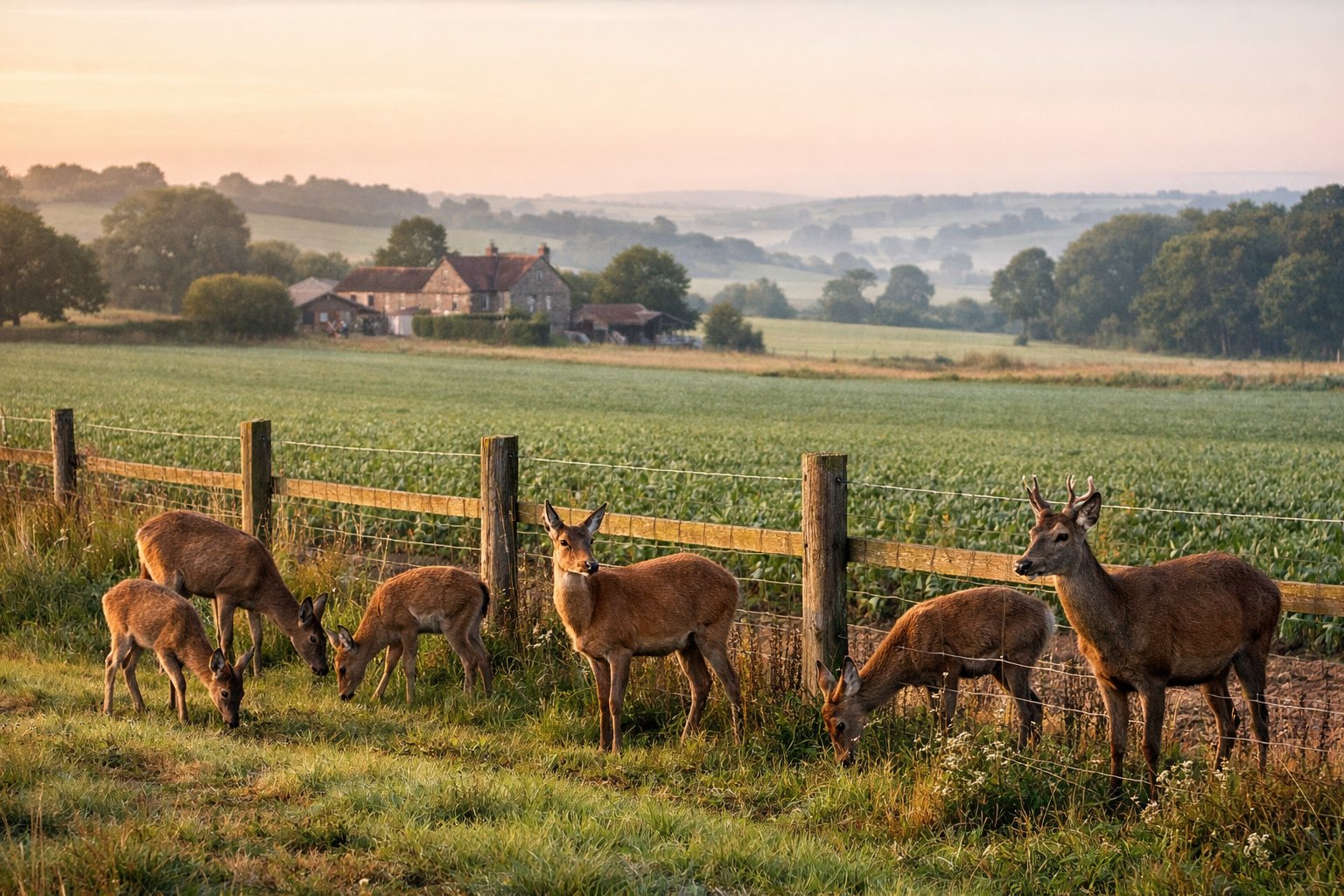
We’ll look at how native and non-native deer differ, where they can mess up the ecosystem, and when you really need to step in to protect woods, farms, or even roads. I’ll try to give you clear examples and practical options, so you can decide what makes sense where you live.
Are Deer a Pest in the UK?

Honestly, it depends on the species, the place, and the kind of damage they do. Some deer wreck crops, woodlands, or even biodiversity, but others play a positive ecological role and have legal protection.
Defining What Makes a Pest in British Context
People usually call a species a pest if it’s not native, spreads fast, and clearly hurts the economy or environment. In Britain, “pest” often means there are legal controls, public health risks, or big costs for farmers and foresters.
So, the real question is: does the animal damage crops, stop woods from regenerating, or outcompete native wildlife?
Officials look at a few main things:
- Where they came from: non-native deer get more scrutiny.
- How fast they’re spreading or if their numbers are out of control.
- What harm they actually cause to trees, crops, or protected areas.
These points matter for both policy and what you do on the ground—like culling, fencing, or changing habitats. If you run a farm or manage woods, you’ll probably use those three points to decide if deer need managing.
Native vs Non-Native Deer Species
Britain has just two native deer: red deer (Cervus elaphus) and roe deer (Capreolus capreolus). The rest—fallow (Dama dama), sika (Cervus nippon), muntjac (Muntiacus reevesi), and Chinese water deer (Hydropotes inermis)—are either naturalised or non-native.
Legal rules vary. Muntjac, for instance, count as an invasive non-native species under some laws, but all deer still fall under the Deer Act, which covers humane control.
For you, this means the risks and rules change depending on the species. Native deer usually get more conservation attention. Non-natives like muntjac and sika can spark tougher management to keep them in check. Still, you have to follow welfare and legal guidelines, no matter what.
When Do Deer Cause Problems?
Deer start causing trouble when their numbers get too high or the habitat is fragile. You’ll notice it in young woods, where deer eat seedlings before they can grow, or on farms when they munch crops and break fences.
Road crashes and garden damage in towns and suburbs aren’t rare either.
Human changes—like getting rid of predators, making more edge habitat, and having crops around all year—let deer thrive in places they never used to.
You’ve got options: fencing, legal culling at the right times, and planning habitats better. The goal is to cut real economic losses or protect biodiversity. It’s not about wiping out deer for no reason.
Arguments Against Labelling Deer as Pests
Calling deer “pests” oversimplifies things and can lead to bad decisions. Deer do good stuff in ecosystems, like recycling nutrients and feeding scavengers. Some, like red deer in uplands, have cultural and conservation value.
If you just slap the pest label on, people might push for harsh controls that ignore animal welfare and the law.
A lot of experts want management based on evidence, not just knee-jerk reactions. If you care about biodiversity, you’ll probably prefer targeted actions—balancing tree growth, farm needs, and humane treatment—over the old “pest” label that misses the real picture.
Deer Impacts and Population Management
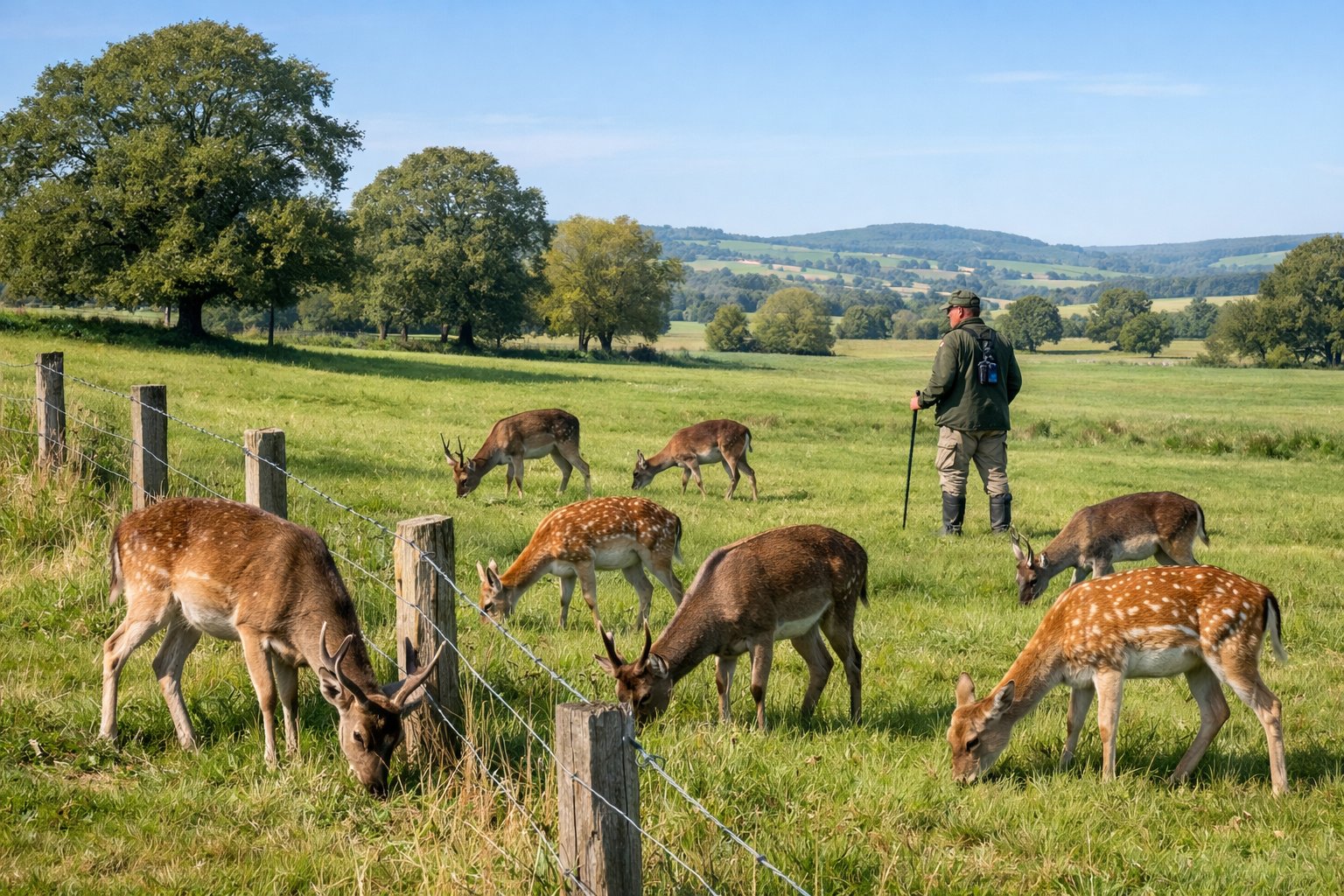
Deer affect woodlands, farms, roads, and even public health. You’ll see them damage young trees, destroy crops, cause more road accidents, and change which plants and animals can thrive.
Environmental and Ecological Effects
When deer browse too much, they stop tree seedlings from growing. You lose young oaks, ash, and other natives that healthy woods need.
This slows down woodland recovery and changes the way forests look. Fewer shrubs and ground plants show up, which hurts insects, birds, and small mammals that rely on that undergrowth.
As deer numbers climb, plant communities shift toward species they don’t eat. That can cut down biodiversity and even change soil and carbon storage.
In places like East Anglia and parts of Scotland, local teams keep an eye on the impact and tweak grazing to protect sensitive spots.
If you want to help native wildlife like nightingales and ground-nesting birds, you’ll need to manage deer numbers. Fencing, planting guards, or targeted culls by professional teams can make a real difference.
Agricultural and Woodland Challenges
Deer damage crops, young trees, and timber value. Farmers and foresters spend money on fencing, tree guards, and replanting when deer strip bark or eat saplings.
This cuts timber profits and bumps up land management costs.
Sometimes you’ll need permits or have to follow local rules under things like the Deer Act 1991 when you control deer. Using a professional deer manager helps: they can survey herds, time culls for the rut or winter, and handle venison if that’s part of the plan.
Venison from managed culls can help cover costs and provide food.
Different deer act in different ways. Muntjac often wreck gardens and small plots, while big stags and hinds cause problems over larger areas.
When neighbours work together and get advice from groups like the British Deer Society, management gets a lot more effective for both farming and woodland recovery.
Deer-Related Human Risks
When more deer wander close to roads, deer-vehicle collisions go up—especially around dawn and dusk. If you hit a big animal, you could face higher insurance rates, repair bills, or even get hurt.
Look for road signs, slow down, and keep an eye out where roads cut through deer habitats. Managing roadside vegetation also helps lower the odds of a crash.
Deer carry ticks, which can bump up the local risk of Lyme disease. Since deer keep tick populations steady, you’ll want to check yourself for ticks after walking in areas where deer roam.
Clearing brush and undergrowth near trails makes it harder for ticks to thrive. It’s a small step, but it can make a difference.
People worry about culling and animal welfare, so it’s important to run clear, professional programs. Trained staff, working under legal rules and best practices, can reduce collision risks and help protect crops and biodiversity.
Public safety and ethical standards matter—so any cull needs to aim for both.


