
Maybe you’ve spotted a deer munching on a crust and wondered—does feeding them bread help or hurt? Deer will eat bread if you set it out, but bread isn’t a healthy or natural food for them. It can actually cause serious digestive issues if they eat too much.
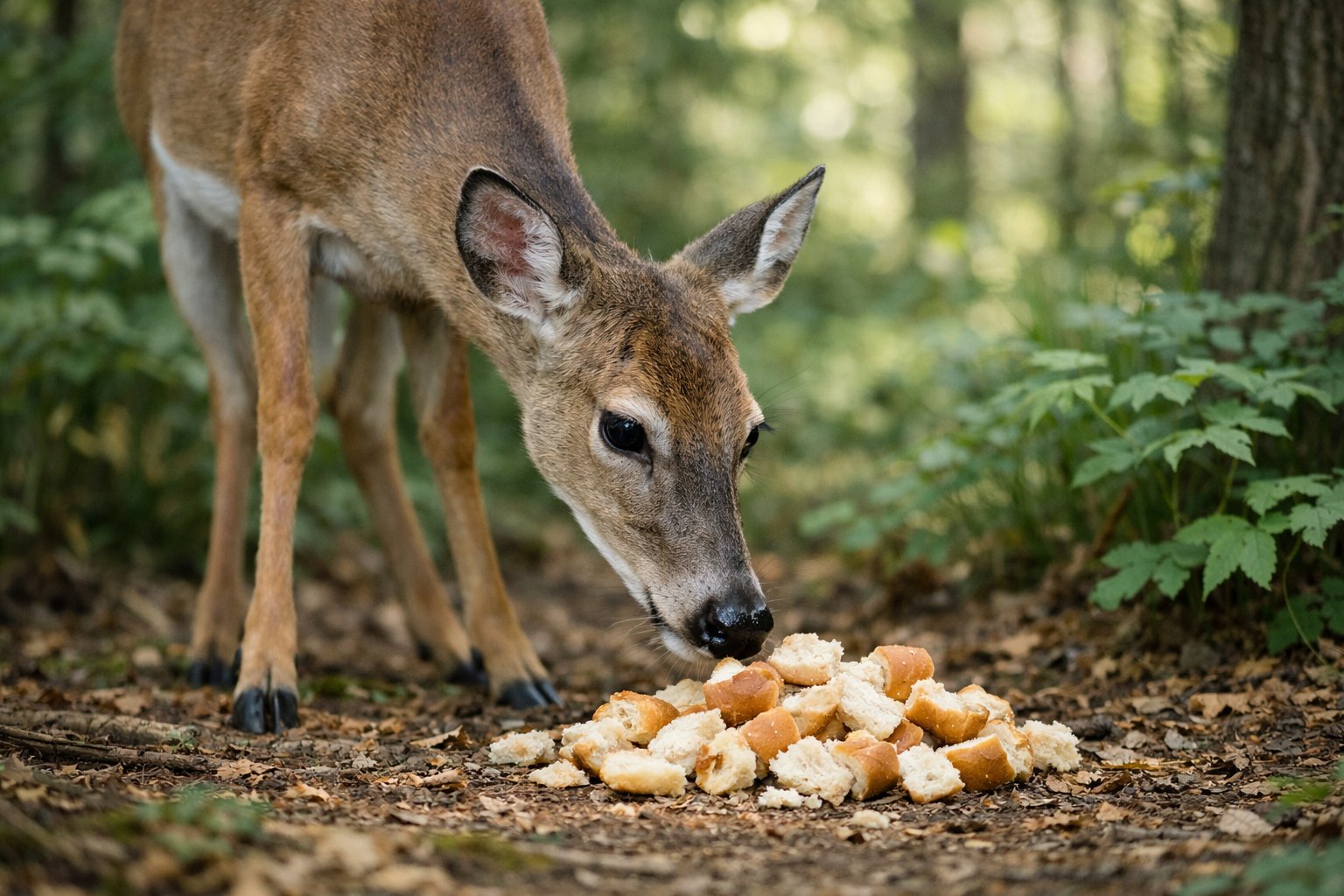
So, why is bread risky for deer? What should you watch out for? And what are some safer ways to feed them, if you really want to? Here’s a quick rundown to help you keep deer healthy—without making them dependent on handouts.
Will Deer Eat Bread And Is It Safe?

Deer will go for a lot of human foods if they find them. That doesn’t mean those foods are safe, though.
Bread attracts deer fast, but it just doesn’t have the fiber or nutrients they need. It can actually mess up their digestion.
Why Deer Are Attracted to Bread
Deer come to bread because it’s soft, salty, and easy to chew. It gives them quick calories and probably smells familiar from all the human activity around.
If you leave out big pieces or keep putting bread in the same spot, more deer will start showing up. They’ll even come back regularly.
Feeding bread gathers deer in one place. That increases the chances of disease spreading, car accidents, and odd changes in their usual routines.
Wild deer that start expecting handouts might stop foraging for native plants. You’ll see them act less wild, which isn’t great.
Leaving leftover bread near your yard? You’ll probably get repeat visitors. If you want to attract deer in a better way, try planting native shrubs or fruit trees, or use approved deer feed instead of processed foods.
Digestive Differences: Deer vs. Humans
Deer have a four-chambered stomach made for digesting high-fiber plants. Bread is low in fiber and packed with simple carbs, so deer can’t process it like we do.
When deer eat bread, those carbs ferment quickly in their gut. That throws off their normal gut microbes.
You might notice digestive problems like diarrhea, bloating, or even loss of coordination. These issues can get worse fast, since deer need a steady balance of microbes to break down leaves and twigs.
Moldy bread is even worse. It can have toxins that deer just can’t handle.
It’s best to skip foods that mess with a deer’s digestion. Tiny treats now and then are less risky, but honestly, natural browse or proper wildlife feed is a much safer way to help.
Risks of Feeding Deer Bread
Giving bread to deer brings some real hazards. White bread and processed breads can cause lactic acidosis if deer eat too much, which can be deadly.
Moldy bread might introduce fungi and toxins that really harm deer health.
There’s also the risk of nutritional imbalance and making deer depend on humans. More deer around your yard can attract predators and spread disease.
If you do decide to feed wildlife, keep the amount small. Never use moldy bread, and try safer foods like apples or native plants instead.
Restoring natural habitat or planting deer-friendly trees is honestly the best way to help deer without causing problems.
Better Nutrition and Alternatives for Feeding Deer
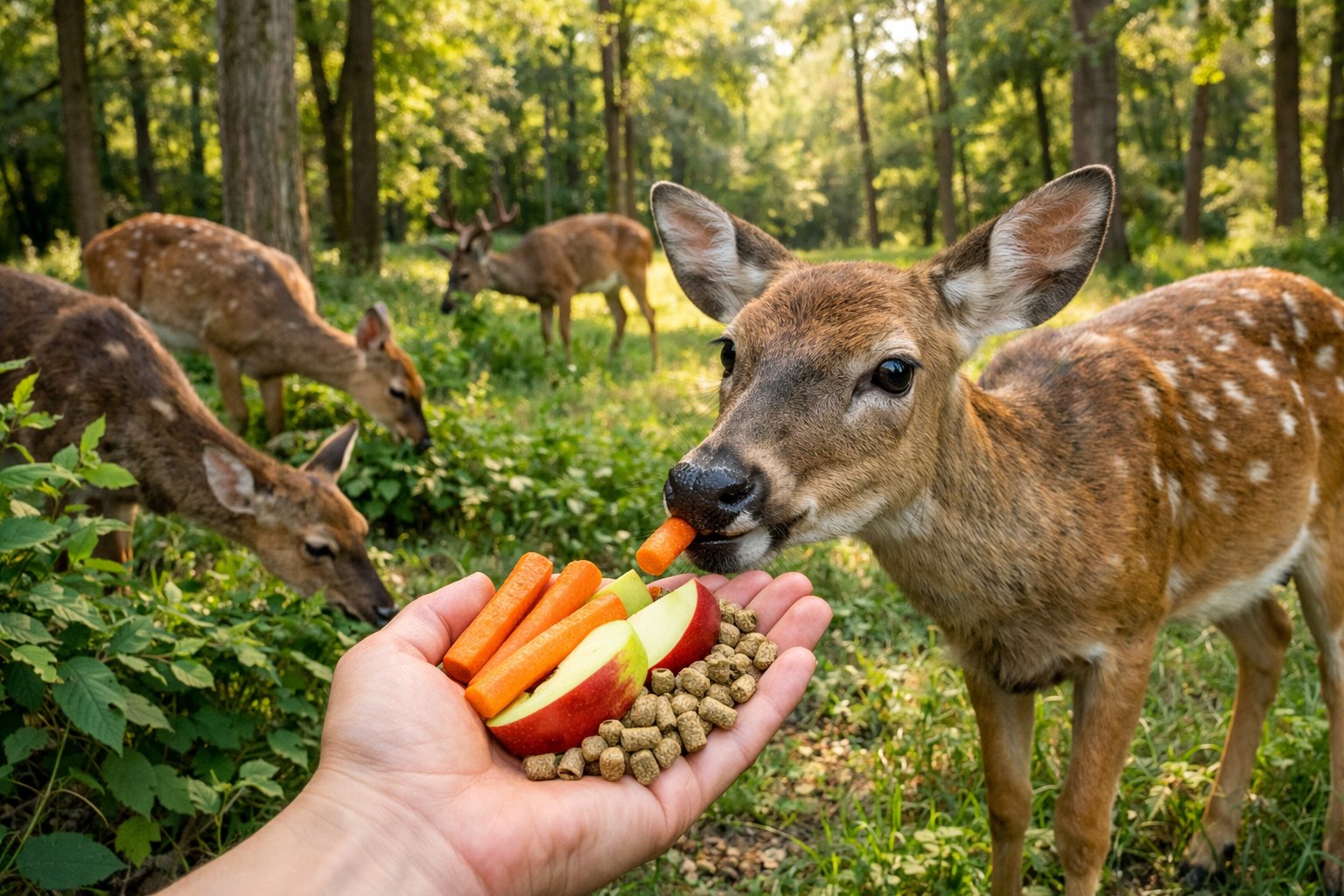
Pick foods that match what deer naturally eat. Skip the high-carb snacks that mess with their digestion or make them dependent.
Focus on foods with protein, fiber, and minerals. Only use commercial feeds if they’re clearly made for deer.
Healthy Foods Deer Naturally Eat
Deer do best on native plants—leaves, twigs, fruits, and nuts. Acorns are a favorite in the fall, giving them fats and minerals to build up for winter.
Fruits like apples, pears, and berries give them sugar and vitamins, but don’t overdo it.
Look around your property for good browse plants. Oaks give acorns, clover and grasses provide summer protein, and woody plants offer winter roughage.
Planting or protecting native shrubs and trees helps deer in the long run. It keeps them wild and less reliant on people.
Recommended Commercial Deer Foods
If you really need to supplement, use deer pellets made for white-tailed or mule deer. Good pellets show the crude protein content (12–18% for maintenance or even higher for growing or antlering deer). They should list vitamins and minerals like calcium and phosphorus.
Skip feeds with lots of molasses, salt, or filler ingredients.
Offer pellets in a hopper feeder or scatter small amounts to avoid crowding. Move feeding spots around and keep feed dry to cut down on disease.
Also, check local rules—some places ban supplemental feeding to help prevent problems like chronic wasting disease.
Foods to Avoid Feeding Deer
Skip the bread when it comes to deer. It’s packed with simple carbs but barely any protein or fiber. This combo can mess with their digestion, leading to rumen acidosis, bloat, or even malnutrition.
Corn and processed human snacks? Those aren’t any better. They carry similar risks and might attract way too many deer at once, which just spreads disease faster.
Stay away from dairy, meat, salty or sugary treats, and anything with onions or a lot of brassicas. When people pile up deer in one spot with bad food, they end up making it easier for chronic wasting disease to spread. It can even damage the habitat.
If you notice someone feeding deer the wrong stuff, maybe point them toward local wildlife advice or safer options. It’s worth saying something.


