
Looking for a quick, real answer? Deer really can’t stand strong, sharp smells like garlic, mint, rosemary, lavender, and especially rotten eggs. Predator scents like wolf urine also freak them out.
Try using these scents around your plants or near places deer might sneak in. You can cut down on deer visits and damage—no need to build a fortress of fencing.
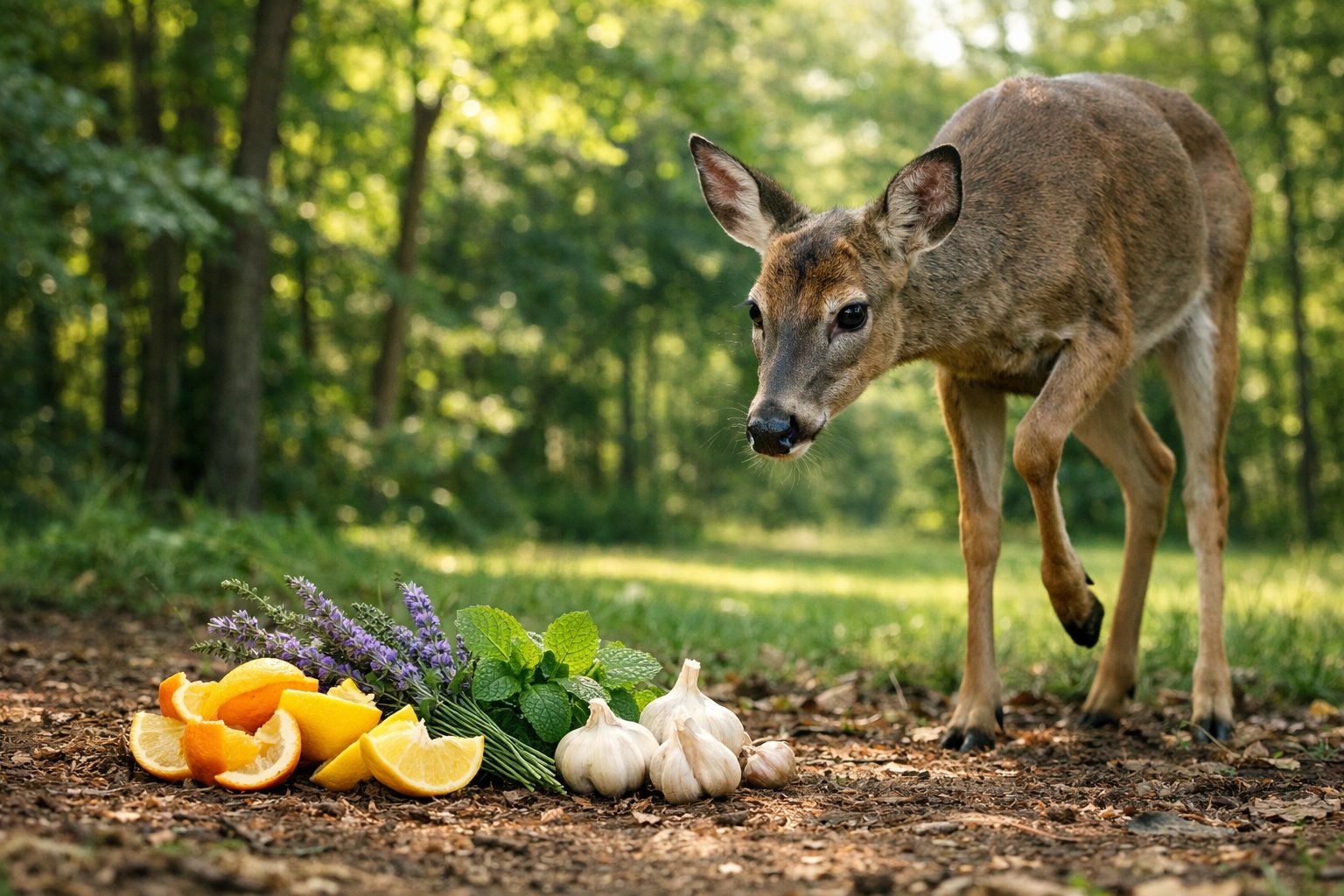
I’ll walk you through which smells actually work, why deer hate them, and super simple ways to use them in your yard.
You’ll get the rundown on which plants to grow, which oils or sprays to try, and where to put those scents so they really keep deer away.
Most Effective Smells That Deer Hate

These scents work because they overwhelm a deer’s sensitive nose or just smell like danger.
Use strong-smelling plants or oils near places where deer like to enter or snack.
Garlic and Garlic Scent
Garlic gives off a super strong, sulfurous smell. Deer really steer clear of it.
Plant garlic bulbs around your veggie beds or fruit trees if you want to protect them. The living plants slowly release scent, but if you chop the leaves, you’ll get a big whiff—especially on hot days.
You can also grab commercial sprays with garlic oil as the main ingredient. Spray these on fence posts, low branches, or rocks near your favorite plants.
Reapply after heavy rain, and don’t spray right on edible leaves you plan to pick that day.
Garlic works even better with other pungent herbs like rosemary and lavender. Together, they make a scent barrier that covers up the smells deer usually go after.
Mint Varieties and Mint Essential Oil
Peppermint, spearmint, pennyroyal, wild mint, apple mint, water mint—deer hate them all.
Plant mint in pots to stop it from taking over your yard. Place those pots near garden edges, along paths, and around any shrubs you want to save.
Mint essential oil gives you a punchier effect. Mix a few drops with water and a little mild soap, then spray it on posts, rocks, and perimeter plants.
Remember to reapply after it rains. Peppermint and spearmint oils work best if you want to keep deer away.
Mint also pairs nicely with thyme or oregano for a living barrier, plus you can spot-treat with oil.
Putrescent Egg Solids
Putrescent egg solids smell exactly like rotten eggs. Deer absolutely hate that smell.
This stuff is EPA-registered for animal repellent use. It works by mimicking the stink of decaying organic matter, which deer find disgusting.
You can buy ready-made repellents with putrescent egg solids or whip up a DIY spray if you follow the directions.
Spray it on fences, tree trunks, and low branches where deer usually browse. The smell is intense, so keep it away from patios or spots where you hang out.
You’ll need to reapply after rain, and it’s smart to rotate with other scents like garlic or thyme so deer don’t get used to one smell.
Herbs and Aromatic Plants
Lavender, rosemary, sage, thyme, oregano, tansy, and marigolds—these herbs all repel deer, though some work better than others.
Plant rosemary and lavender along borders. They’re tough, deer-resistant, and release scent all year.
Sage and thyme are great near veggie plots or perennial beds.
Oregano and tansy add a bitter twist that confuses deer and hides the scent of tasty plants. Try oregano or rosemary oil on posts and barriers for extra protection.
Lavender oil can help with small groups of plants, but you’ll need to reapply it often after rain.
Mix living herbs with spot sprays: plant thyme and rosemary for a steady barrier, then use oils on fence posts and entryways for backup.
How to Use Deer-Repelling Scents

Focus scents where deer usually come in or nibble—garden edges, trails, and low branches. Reapply after it rains, and switch up the smells so deer don’t get comfortable.
Natural and Homemade Deer Repellents
You can make easy mixes from stuff you probably already have. One classic spray uses crushed garlic, hot pepper (like cayenne), and soapy water.
Simmer crushed garlic and 1–2 tablespoons of cayenne in a quart of water for about 10 minutes. Strain, add a teaspoon of dish soap, and dilute the mix to a gallon.
Spray new growth and around the garden every week or two, or after heavy rain.
Scatter human hair or chunks of used bar soap (Irish Spring is a favorite) in mesh bags along fences and near your plants.
Blood meal works too—put it around the base of plants to keep deer away and feed your soil. Just keep pets away and follow the directions.
Change up the scents—use garlic one week, soap the next—so deer don’t get wise to your tricks.
Commercial Deer Repellent Sprays
Pick sprays labeled for deer and follow the instructions closely.
Look for active ingredients like putrescent egg solids, capsaicin, or bittering agents. Most sprays last 2–4 weeks in normal weather.
Spray in the morning when plants are dry. Shake the bottle, cover all leaf surfaces, and focus on new shoots and buds.
Reapply after heavy rain or watering. For edible plants, only use repellents marked safe for veggies and pay attention to any waiting period before harvest.
You might want to combine a spray with a physical barrier if you’re protecting something really valuable.
Deer-Resistant Plants for Gardens
Use plants that deer avoid to make borders and barriers.
Plant marigolds, lavender, rosemary, thyme, and strong-minted herbs like oregano and sage around your veggie beds. These plants pump out scents deer dislike and help mask the smell of your tastier crops.
Set these plants up as a hedge or mix them in with vulnerable ones. Raised beds and dense plantings also make it tougher for deer to browse.
Just keep in mind—if deer get hungry enough, they might still try a nibble. Pair your plant choices with repellents or fencing, especially for young fruit trees or high-value crops.
Predator Urine and Commercial Solutions
Predator urine—like wolf or coyote—taps into a deer’s natural fear of predators. You can hang urine-soaked rags or set out commercial sachets near spots where deer sneak in or cross trails.
Make sure to swap them out every 7–10 days, or right after it rains. The scent just doesn’t last.
If you’re going for branded stuff, Bobbex and similar products work when you follow the label. Some of these mix urine scents with taste deterrents or masking agents, which is honestly pretty clever.
Try to rotate between predator urine, blood meal, and synthetic repellents. Deer catch on fast, so switching it up keeps them guessing.
Oh, and don’t put predator treatments near patios or play areas. Nobody wants that smell hanging around the house.


