
You’ll spot deer bedding on soft leaf litter, grassy mats, or tucked under thick shrubs and trees where they feel safe and sheltered.
Deer look for spots that hide them from predators and protect them from the weather, so they sleep on ground that offers cover, insulation, and a quick way out if needed.

If you’re hoping to find bedding areas, watch the edges between fields and woods, dense thickets, south-facing slopes in winter, and shady tree lines in summer.
The rest of this article covers what to look for, how seasons change bedding choices, and when deer are most likely to be asleep.
What Do Deer Like to Sleep On?
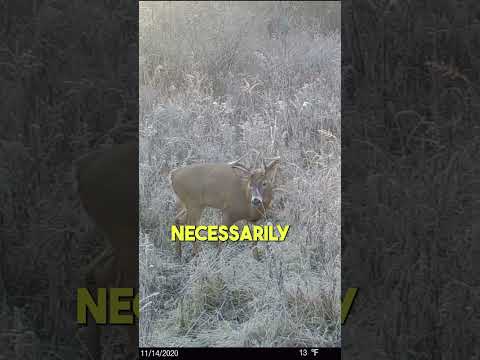
Deer pick bedding that hides them, keeps them warm, and lets them bolt if danger shows up.
You’ll find beds in tall grass, under evergreens, on leeward slopes, or inside thick brush, depending on weather and how risky things feel.
Natural Bedding Materials: Grass, Leaves, and Soil
Deer often bed on flattened grass or a shallow soil depression.
Tall grass makes a soft, camouflaged pad that hides them from a distance.
Leaves cushion the bed and help mask scent, so you’ll spot beds where leaf litter stays mostly intact.
On slopes or ridge benches, deer scratch out soil beds where drainage keeps things dry.
In wet spots, they look for hummocks or raised ground to avoid standing water.
Fawns pick the thickest grass or leaf clumps to stay hidden while their mothers feed nearby.
The Importance of Dense Cover and Concealment
If you want to know where deer feel safest, look for dense cover.
Thickets, cedar or pine copses, and dense brush give vertical and horizontal concealment, hiding a bed from both above and at ground level.
These places let deer rest without dropping their guard, since they still need to watch for trouble.
Dense cover also blocks wind and keeps in heat during winter.
Deer pick evergreen thickets or brush lines when it gets cold.
Near edges—where forest meets field—deer balance hiding with quick escape routes, so you’ll spot bedding at those transitions.
Seasonal Bedding Preferences
In spring and summer, deer go for tall grass, forbs, and thick understory when the leaves are out.
Fawns tuck into the tallest grass or herbaceous cover for camouflage while does feed nearby.
You’ll see more group bedding among does in summer, probably for extra vigilance.
When fall and winter roll in, deer shift to south-facing slopes, coniferous cover, or leeward hollows to catch sun and block wind.
Deep snow pushes them to sheltered spots like cedar swamps or dense pine stands.
Agricultural edges and unharvested crop rows can also become winter bedding near food.
Differences Between Buck and Doe Bedding
Bucks and does don’t always pick the same bedding style.
Bucks usually bed alone on small, oval depressions with good sightlines.
They prefer higher ground or edges where they can spot threats and move out fast.
Does, on the other hand, often bed in groups near thick cover and close to feeding spots.
Their beds are smaller and more circular.
Fawns hide in tall grass or dense brush, making their beds tough to spot.
Mule deer and whitetail deer show similar habits, though the local landscape changes their choices a bit.
How and When Deer Sleep

Deer rest in short, light bursts and pick bedding spots that cut risk and save energy.
They stay alert while lying down and move around based on predators, weather, and food.
Deer Sleep Patterns and Alertness
Deer sleep lightly and often, honestly.
You’ll notice them loafing with legs tucked under, ready to stand up in a flash if something spooks them.
Their sleep cycles are short—just minutes to a few hours at a time—so they wake up quickly to any sound or smell.
Even when resting, their brain keeps a level of vigilance.
This helps them detect danger early and get out fast.
Fawns stay very still and rely on camouflage while does leave and return to feed.
You can spot deer beds by shallow depressions, a few hairs, and maybe some droppings nearby.
Daytime Versus Nighttime Sleeping Habits
Deer are crepuscular, meaning they’re most active at dawn and dusk.
You’ll find them bedded through much of the daylight, especially midday, when they nap in sheltered cover.
At night, they feed more and move between bedding sites and food.
Season and temperature change when and where they sleep.
In summer, they seek shade and bed longer during hot midday stretches.
In winter, they use thermal cover and might bed in the sun on south-facing slopes.
If food sits close to cover, they won’t travel far from bed to feeding area.
Impacts of Hunting Pressure and Predators
Hunting and predators really shake up where and when deer decide to sleep. When hunters are out in force, deer usually pick thicker, steeper, or just plain harder-to-reach bedding spots. They start moving around at night more, too.
You’ll notice they switch beds more often, dodging scent trails and any places hunters frequent. It’s a clever move, honestly.
Predators like coyotes or mountain lions? They definitely push deer to act differently. Deer look for bedding spots with fast escape routes and clear views.
If you’re paying attention, you might spot fresh beds tucked into dense cover or along ridgelines. These spots help deer keep an eye out for danger while they rest.


