
You might spot deer in your yard and feel a little thrill—who doesn’t love seeing wildlife up close? But honestly, too many deer can spell trouble for forests, crops, and even public safety.
Sometimes, wildlife managers cull deer to bring their numbers back in balance with the land and to cut down on risks like crop damage, disease, and car accidents. Let’s dig into why they make that call and what they’re trying to protect.
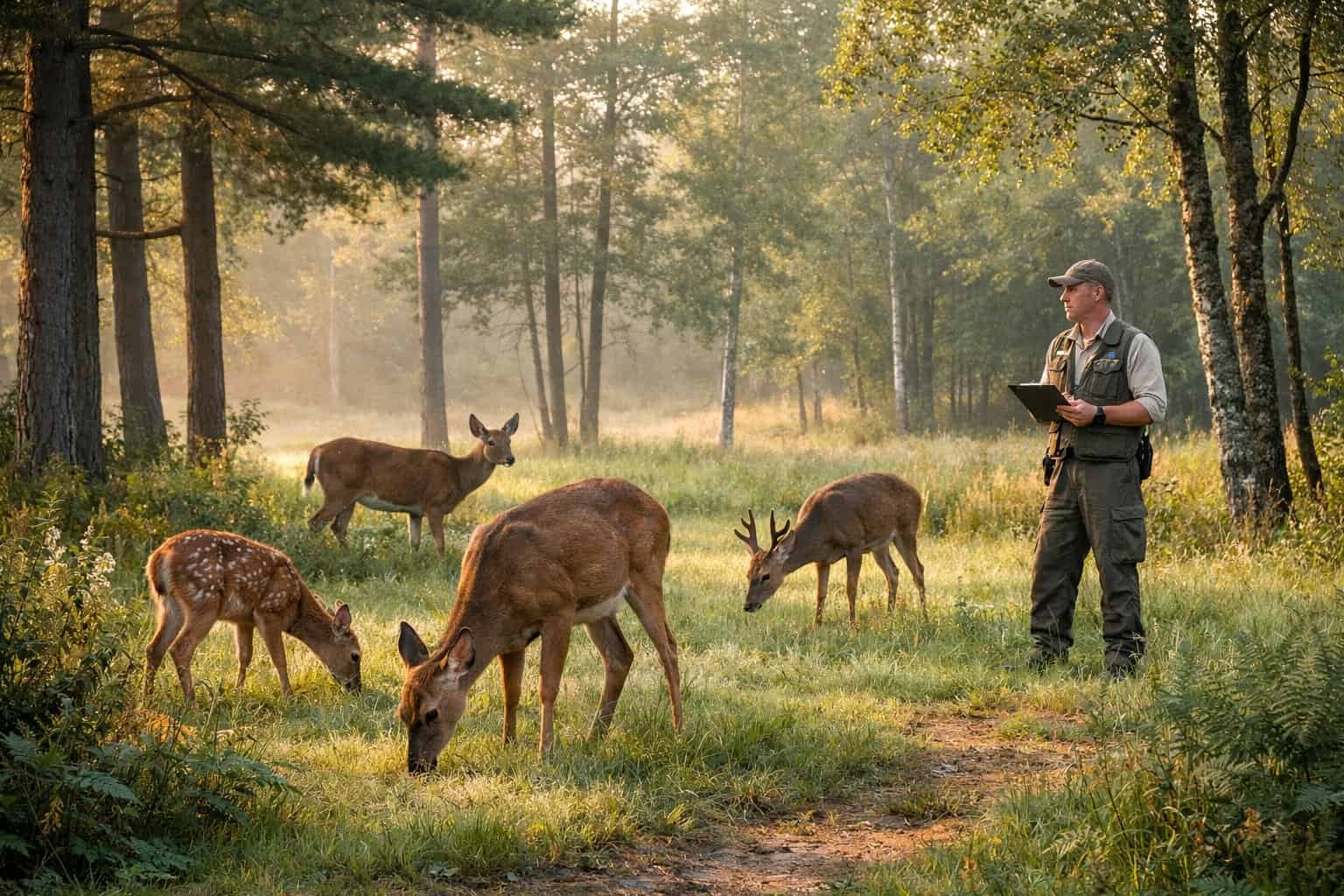
You’ll see how culling fits into wildlife goals and which methods experts prefer to keep deer numbers in check safely. Curious about the trade-offs and what it all means for your neighborhood and local nature? Keep reading.
The Necessity of Deer Culling
Wildlife managers reduce deer numbers to protect habitats, crops, and public safety. The main reasons? Fast population growth, harm to forest plants, wide ecological damage, and a lack of predators to keep herds in check.
Population Growth and Carrying Capacity
Deer reproduce fast. White-tailed does can have one to three fawns each year.
If food and cover are plentiful, a local herd can double in just a few years. Carrying capacity is the number of deer an area can handle without losing habitat over time.
When deer go over that limit, plants like tree seedlings and shrubs just can’t keep up. The result? Less food and shelter for other animals.
You’ll feel the impact too—more deer means more damage to gardens and crops, plus higher chances of hitting one with your car. Wildlife managers cull deer to bring numbers back to what the land can actually support.
Impacts on Forest Regeneration and Biodiversity
When deer overbrowse, young trees don’t stand a chance. If seedlings keep getting eaten, forests shift toward mature trees with little or no understory.
That loss of understory means fewer places for birds to nest and less food for insects. Species that need shade or small plants start to disappear.
Seed dispersal changes too, since some plants never get to produce seeds or fruit if deer eat them too soon. By lowering deer numbers, managers give seedlings a shot at growing.
Native plants can return, which helps birds, small mammals, and insects find food and shelter again.
Ecological Damage from Overabundant Deer
Too many deer leave their mark—bare forest floors, fewer wildflowers, and more invasive plants that deer won’t touch. This hurts biodiversity.
With fewer plant species, animals lose food sources and places to live. Even soil and streams can suffer, since plants that hold soil in place disappear.
Culling tries to stop these problems from spiraling. Fewer deer let native plants recover, which brings back wildlife and helps restore things like nutrient cycling.
Consequences of the Lack of Natural Predators
In a lot of areas, we just don’t have big predators like wolves or mountain lions anymore. Without them, deer populations can really take off.
When predators disappear, you get a trophic cascade: more deer, less vegetation, and changes that ripple through birds, insects, and even the soil. These effects can last for decades.
Bringing predators back isn’t easy, especially near towns or suburbs. Culling steps in as a way to mimic what predators would do—reduce herd size and slow down ecological harm.
Approaches to Managing Deer Populations
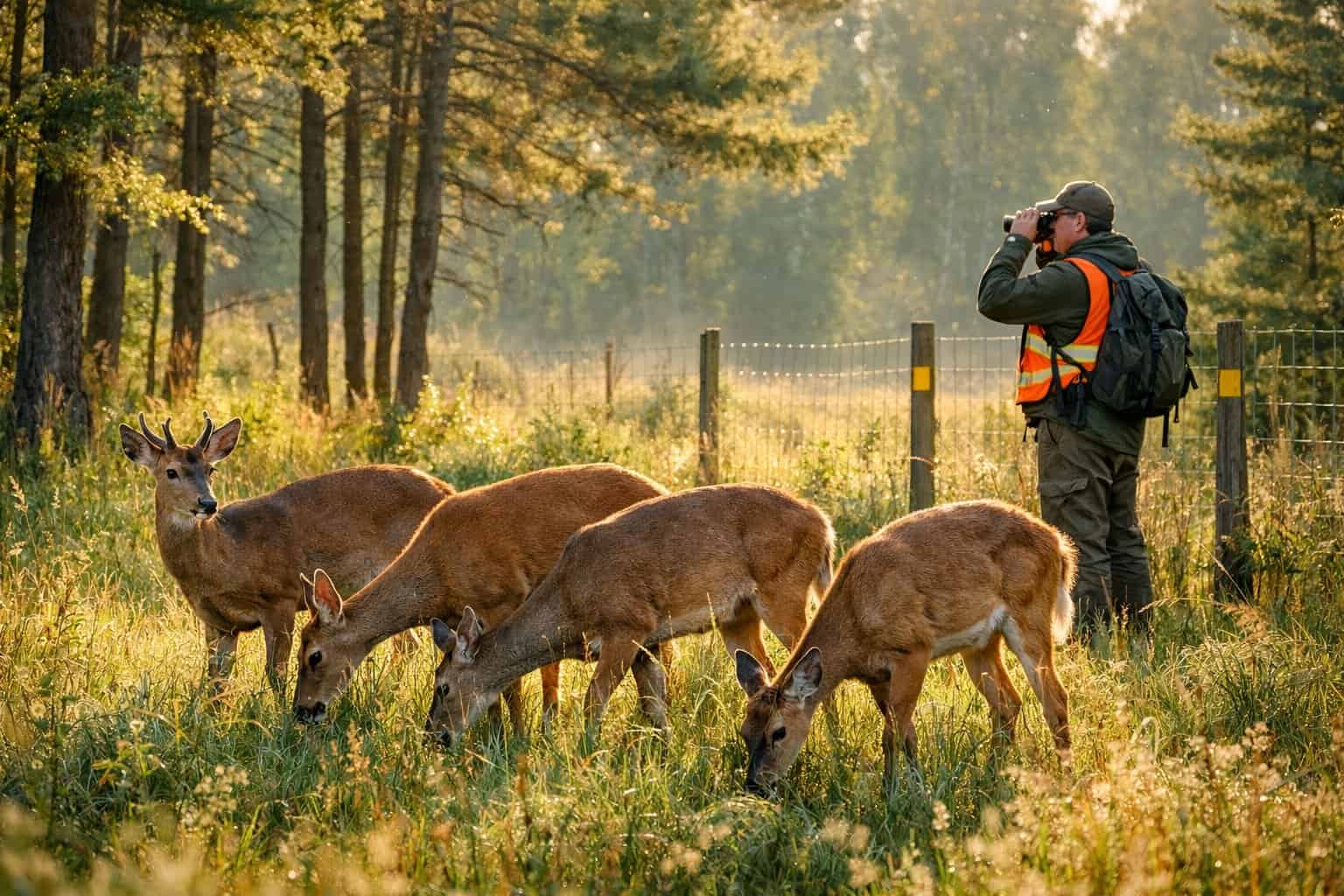
Let’s look at the practical options managers use to lower deer numbers, protect habitats, and reduce risks like car accidents and crop loss. Each method comes with its own mix of safety, cost, public opinion, and how quickly it works.
Controlled Hunting and Selective Removal
Controlled hunting relies on set seasons, permits, and quotas to remove specific deer—usually antlerless ones—to slow population growth. You might join in through licensed hunting or back community programs that set limits by sex, age, and bag size.
Managers pick the areas, timing, and methods to keep people and pets safe and to hit their biological goals. Selective removal targets individual deer that cause problems or carry disease.
You’ll see this near farms, neighborhoods, or nature reserves where targeted action matters more than broad culls. Rules, safety briefings, and reporting requirements keep things humane and legal, plus help track results.
This approach can be affordable, especially if it lines up with regular hunting seasons and gets the public involved. But it doesn’t always work well in suburbs, and population change can take a while.
Many programs use best practices from wildlife agencies to set goals and check progress—like population surveys and keeping an eye on how plants are doing.
Sharpshooting and Professional Culling
Sharpshooting calls for trained marksmen to remove deer quickly and precisely in spots where public hunting isn’t allowed or just isn’t safe. You’ll often see these teams work at night, from raised stands or vehicles, following strict safety plans.
They coordinate with police, landowners, and vets to collect deer and handle disposal. Professional culling means wildlife managers or contractors run a managed program.
They set targets to protect forests, rare plants, or stop disease. You’ll notice careful site control, public notices, and follow-up checks on vegetation and road safety.
Sharpshooting gets quick results and lets managers pick which animals to remove, but it’s expensive and needs strong public support to work. Agencies often mix sharpshooting with ongoing monitoring and community updates to keep things transparent and follow legal rules like wildlife acts and safety laws.
Non-lethal Methods: Fertility Control and Fencing
Fertility control relies on contraceptives or sterilization to lower birth rates. Sometimes, people use immunocontraceptive vaccines or even perform surgical sterilization, especially in small, fenced populations.
This approach tends to fit smaller herds or those high-value urban spots where lethal methods really aren’t an option. Folks usually turn to these methods when public opinion runs strong against more aggressive tactics.
Fencing, on the other hand, protects sensitive places—think young forests, gardens, or orchards. You’ll spot permanent high fences at restoration sites, while temporary electric fencing often pops up around saplings.
Fencing stops browsing right away, but it’s not cheap to put in or keep up. Plus, it can mess with wildlife movement, which isn’t great if you care about broader habitat health.
Honestly, these non-lethal tools seem to work best when you mix them with other strategies. Fertility control slows population growth, but it usually takes years before you see numbers drop.
Fencing helps curb local damage, yet it doesn’t shrink the overall population unless you also remove some animals. When managers pick these options, they have to juggle costs, logistics, and whether the public will actually support them.


