
You’ll spot the Old English word for deer tucked away in old texts and dictionaries if you look closely. Back then, the word was dēor, and it actually described any wild animal—not just the graceful deer we picture now.
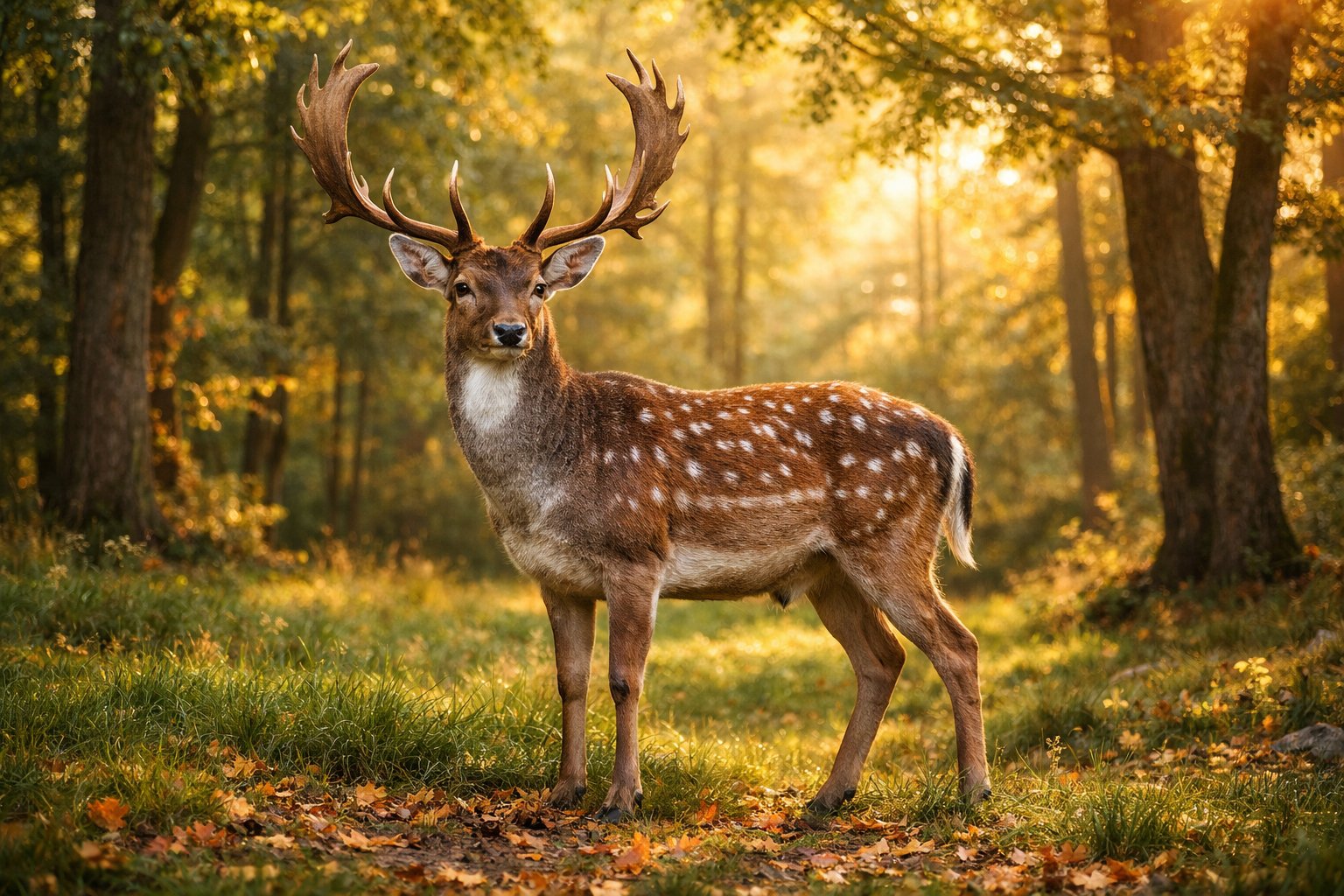
It’s interesting, right? Seeing how language and hunting changed what people meant by “deer” over time. You’ll run into related words, old shifts in usage, and even terms like hēorot (that’s “hart”) when folks needed to be more specific.
Let’s dig into the word’s original meaning, its journey to the modern “deer,” and those little terms that color in the details.
The Old English Word For Deer

Old English used dēor as a general catch-all for animals, while heorot was the go-to term for deer-like creatures. These words shifted as hunting, stories, and even outside languages influenced English.
Early Usage and Meaning of Dēor
In Old English, dēor (sometimes spelled dior or deor) meant any living beast, usually a four-legged one. People used it for all sorts of animals, not just the hoofed ones.
You’d see dēor in old texts describing both tame and wild creatures. It really just meant “animal” in a lot of cases.
The word for the antlered creatures we now call deer was heorot—kind of a cousin to “hart.” Heorot pops up in poetry and hunting talk.
Scholars point out dēor’s broad meaning in old dictionaries and studies. That’s probably why “deer” in modern English got so much more specific.
Semantic Shift From Animal to Deer
Over the centuries, dēor’s meaning narrowed. It went from meaning “animal” to specifically pointing at the deer family, Cervidae.
You can actually follow this shift in Middle English texts and old hunting records. The Norman invasion brought in words like “beast” and “animal,” so dēor didn’t have to cover everything anymore.
Hunting culture really sped things up. As people got more into tracking stags, hinds, and harts, the language kept pace.
By late Middle English, “deer” basically had the meaning it does now—no longer just “any beast,” but a member of the deer family.
Dēor in Anglo-Saxon Culture and Literature
You’ll spot both dēor and heorot all over Anglo-Saxon literature and records. In poems like Beowulf, heorot turns up as a name and a symbol—like Hrothgar’s famous hall.
Dēor, on the other hand, shows up when writers talk about animals in general. The two words played different roles: heorot tied to nobility and hunting, dēor to everyday life and classifying the natural world.
Hunting mattered a lot in Anglo-Saxon culture, both as sport and for food. That made animal words important in laws, charters, and stories.
You’ll find these terms in dictionary entries and etymology notes that explain how Old English words slid into modern English with new, narrower meanings.
Etymology, Evolution, and Related Terms

The word “deer” started out as a broad label for four-legged animals. Over time, it narrowed to just the Cervidae family—think red deer, roe deer, white-tailed deer.
The word traveled through Germanic languages, picking up new meanings as hunting, local naming, and literature left their mark.
Etymological Roots in Germanic Languages
Old English dēor meant any animal, not just what we now call a deer. It comes from Proto-Germanic deuzam, which also led to Dutch dier and German Tier—both still mean “animal.”
Linguists trace that root back to an old Indo-European idea of a “breathing creature.” That explains why it once covered all sorts of mammals and beasts.
Hunting changed things. As people hunted cervids more, they started using more specific words for horned animals.
Norse forms brought in names like reindeer later on, showing how trade and contact kept shaking up the vocabulary.
Related Old English and Middle English Names
You’ll find a handful of older names alongside dēor. Heorot meant a hart or stag in Old English, and you still see “hart” in poetic uses or old place names.
Middle English writers sometimes used der or deer to mean different animals—sometimes even fish or ants. That’s a bit odd, but it’s there in the records.
Specific terms for sex and age popped up too: buck and doe for male and female in some species, hind for adult females, and fawn for the young ones.
Stag and hart named adult males with antlers. The OED tracks these changes and shows how words like buc and its variants spread through dialects.
Impact of Semantic Development and Regional Variations
You can actually see how the meaning of “deer” narrowed from just “animal” to specifically the Cervidae family. People hunted and lived alongside these animals, so cervids ended up front and center in their minds.
Regional names pop up depending on which animals live nearby. In some places, folks mix up elk and moose, while caribou shows up more often up north. Over in Europe, red deer and roe deer are still the go-to terms. These little differences decide which word you pick for each animal.
Literature kind of pinned down a few meanings. Take Shakespeare—he throws around hart and deer in ways that bounce between old and new meanings. You can spot that in King Lear and other plays. These writers played with both the broad and narrow senses.
Modern field guides and veterinary books stick to precise taxonomy, like Cervidae or ruminant mammal. But in everyday talk, people just use words like buck, doe, stag, or fawn, depending on where they are and which animal they’re talking about.


