
Ever spot a deer in your backyard or maybe crossing a quiet country road, and wonder how long they actually live? Most wild deer barely make it past 4 to 6 years, but if you put them in captivity, they can stick around well into their teens—or even longer if folks take good care of them. Let’s dig into why there’s so much variation and what really affects a deer’s odds of living a longer life.
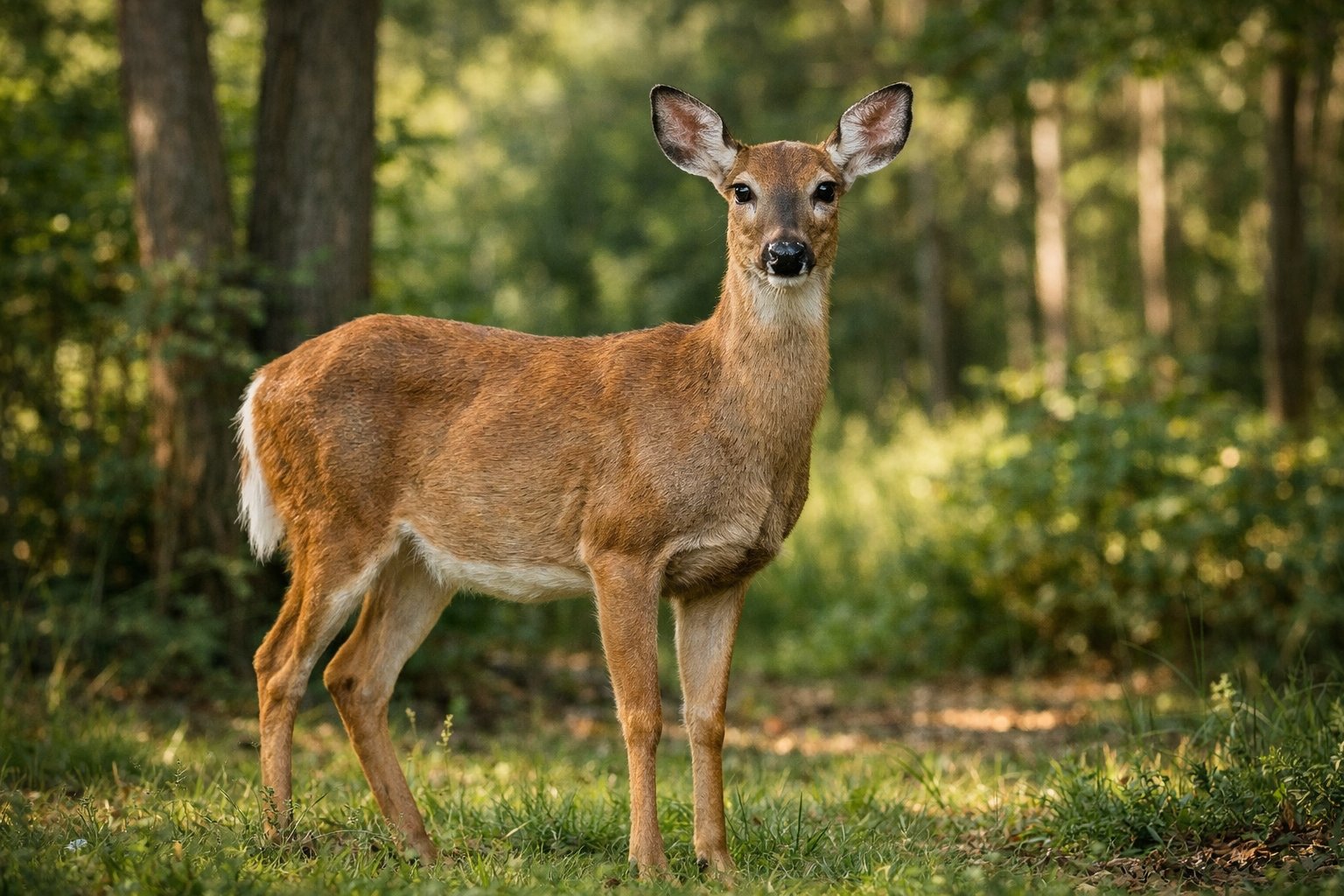
We’ll look at how things like habitat, predators, disease, and, honestly, people, change a deer’s lifespan. You’ll see some clear comparisons between wild and captive deer, plus quick notes on how different species might live shorter—or sometimes longer—lives. It’s all about understanding the numbers behind these graceful creatures.
Average Lifespan of Deer Across Environments
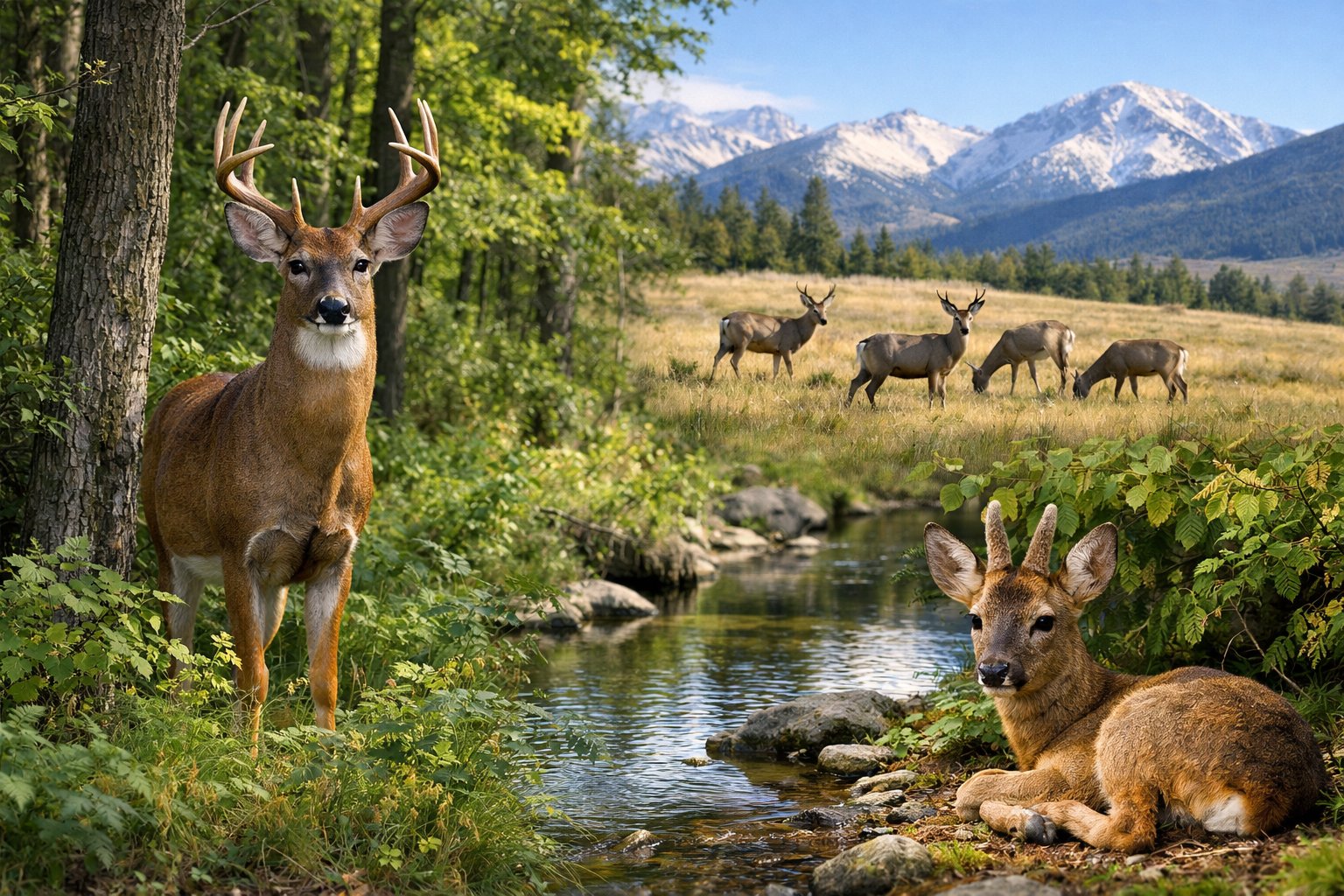
Wild deer deal with a lot of risks that cut their lives short. Captive deer, on the other hand, usually get a much better shot at a long life thanks to steady care.
Predators, hunters, disease, and habitat loss all shape survival for wild deer. In captivity, it’s really about food, vet care, and safety.
How Long Do Wild Deer Live?
Most wild deer scrape by for about 3 to 6 years, depending on their species and where they live. Hunters, cars, predators, and diseases like chronic wasting disease take out a lot of adults. Fawns, especially, have it rough—many don’t even make it through their first year.
If food’s easy to find and predators aren’t a big problem, some deer might make it to 6–10 years. But harsh winters and shrinking habitats usually bring that average down. Wildlife managers use tagging and tracking to figure out survival rates, and it turns out humans often have a bigger impact than natural lifespan limits.
How Long Do Deer Live in Captivity?
In captivity, deer usually live 10 to 20 years, sometimes longer if their caretakers really know what they’re doing. Captive deer get regular meals, shelter from predators, and medical help when they need it.
The exact lifespan depends on the species and how well the facility takes care of them. Places that offer balanced diets, treat parasites, and do regular health checks help deer live the longest. Captive breeding programs also keep them safe from hunting and car accidents that end wild deer lives early.
What Is the Oldest Deer on Record?
People have recorded the oldest deer in captivity, not in the wild. Some of these deer have made it to their early or even mid-20s with good human care.
Wild deer rarely make it past 15–20 years, and those that do usually live in protected places. Tooth wear or birth records help confirm ages, especially for captive deer. If you hear about a wild deer over 20, consider it a real oddball case. These records really show how much protection and steady care can stretch out a deer’s life.
Lifespan Differences Among Deer Species
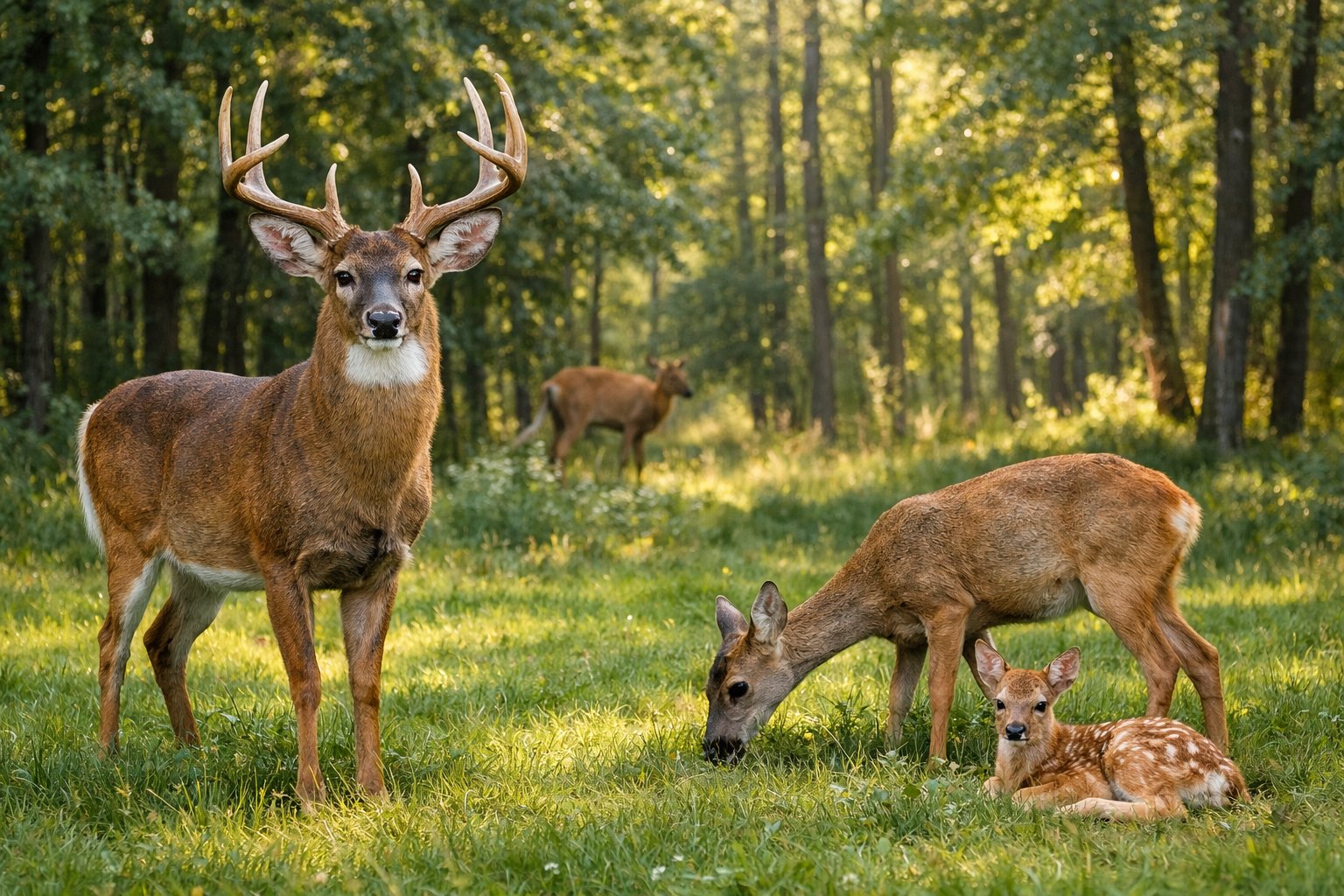
Different deer species don’t all live the same length of time. Where they live and how much people hunt or bother them makes a big difference.
Some species rarely make it past 10 years in the wild, while others can reach 10–15 years if nobody’s hunting them and predators aren’t around.
White-Tailed Deer Lifespan
White-tailed deer in North America usually last about 3–6 years if they’re wild. Does tend to outlive bucks, since bucks take more risks during the rut and get targeted by hunters more often.
In places with lots of hunters or busy roads, most whitetails die young, usually from collisions or being harvested. But in protected areas or captivity, they can make it to 10–20 years. Fawns have it toughest, with predators like coyotes and harsh winters taking a toll. If your local herd has good cover and plenty of food, they’ll have a better shot at surviving.
Mule Deer and Other North American Species
Mule deer usually outlive whitetails if nobody’s hunting them—often making it 6–11 years in the wild, and sometimes up to 15 years in safer spots. They stick to western ranges with rough terrain, which helps them avoid some predators but brings other problems like tough winters and summer droughts.
Other North American species, like elk (which are actually large deer), average about 10–13 years in the wild. How old they get really depends on local management and which predators are around—wolves and cougars make a difference. In captivity, these animals can live into their late teens or even early twenties.
Red Deer, Roe Deer, and Sika Deer Longevity
Red deer, like the Scottish red deer, usually live about 10 to 15 years in the wild when people keep hunting in check.
Sometimes, in managed areas, they can make it to 20 years. Males often die younger during the rut because they fight a lot and burn through their energy.
Roe deer tend to live around 7 to 10 years in Europe. Honestly, many don’t reach the upper end—cars and shrinking habitats get in the way.
Sika deer, which you’ll spot in Asia and some introduced spots, often stick around for 8 to 12 years in the wild. In captivity, they can go even longer.
Local predators, weather, and hunting laws really shape how long these deer last in your area. Isn’t it wild how much their lifespan depends on where they end up?


