
Ever spot a single fawn curled up in the grass and wonder how many babies deer usually have? Most does give birth to one or two fawns—twins are pretty common, while triplets or more only show up in really high-quality habitats. That’s the simple answer, but there’s a lot more behind why those numbers shift depending on the species and where they live.
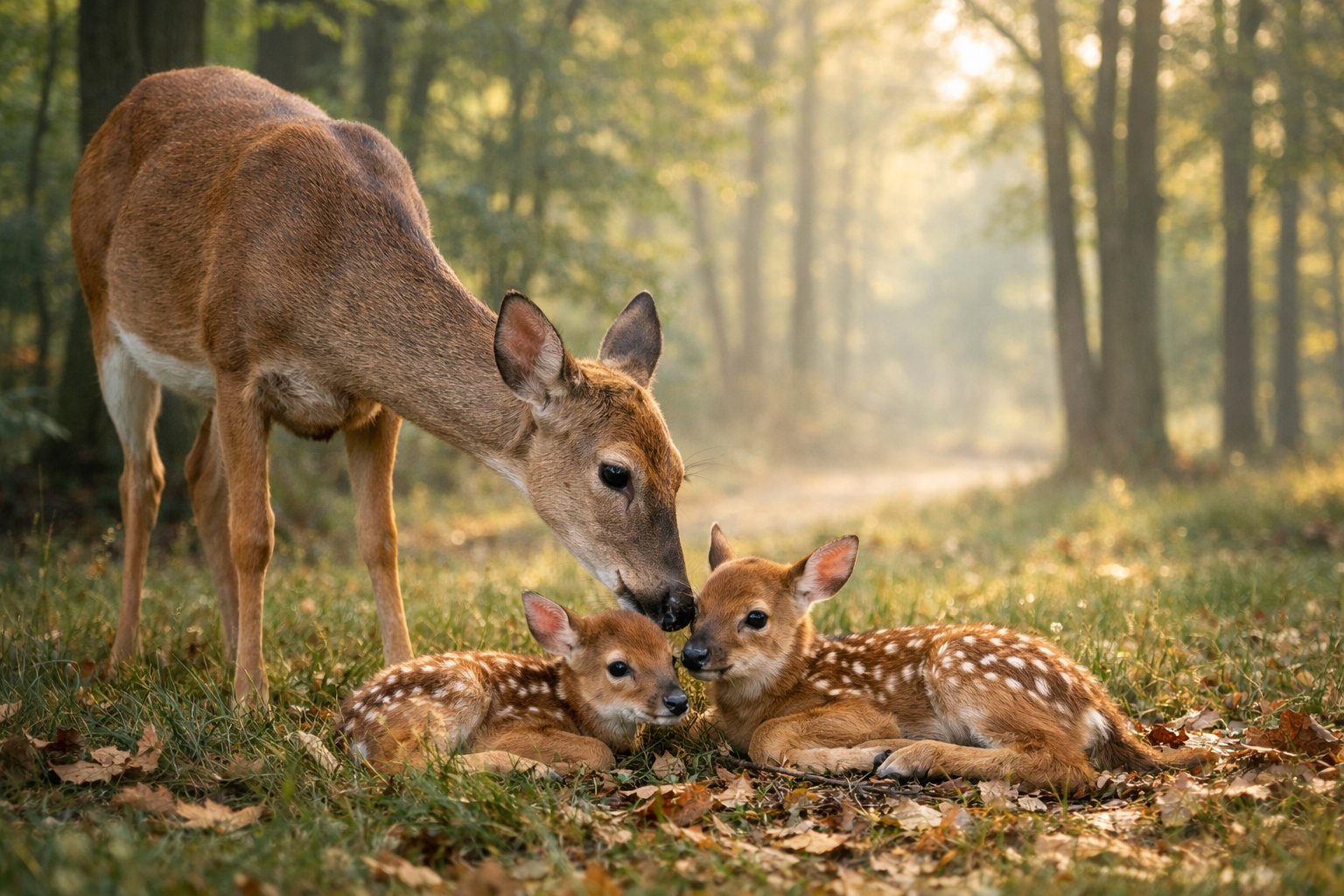
So, what actually influences how many fawns you’ll see? It comes down to things like the doe’s age, what she eats, the local habitat, and even predators. Let’s dig into what shapes typical litter sizes and why some years just seem to have more baby deer than others.
Typical Number of Babies Deer Have at Once
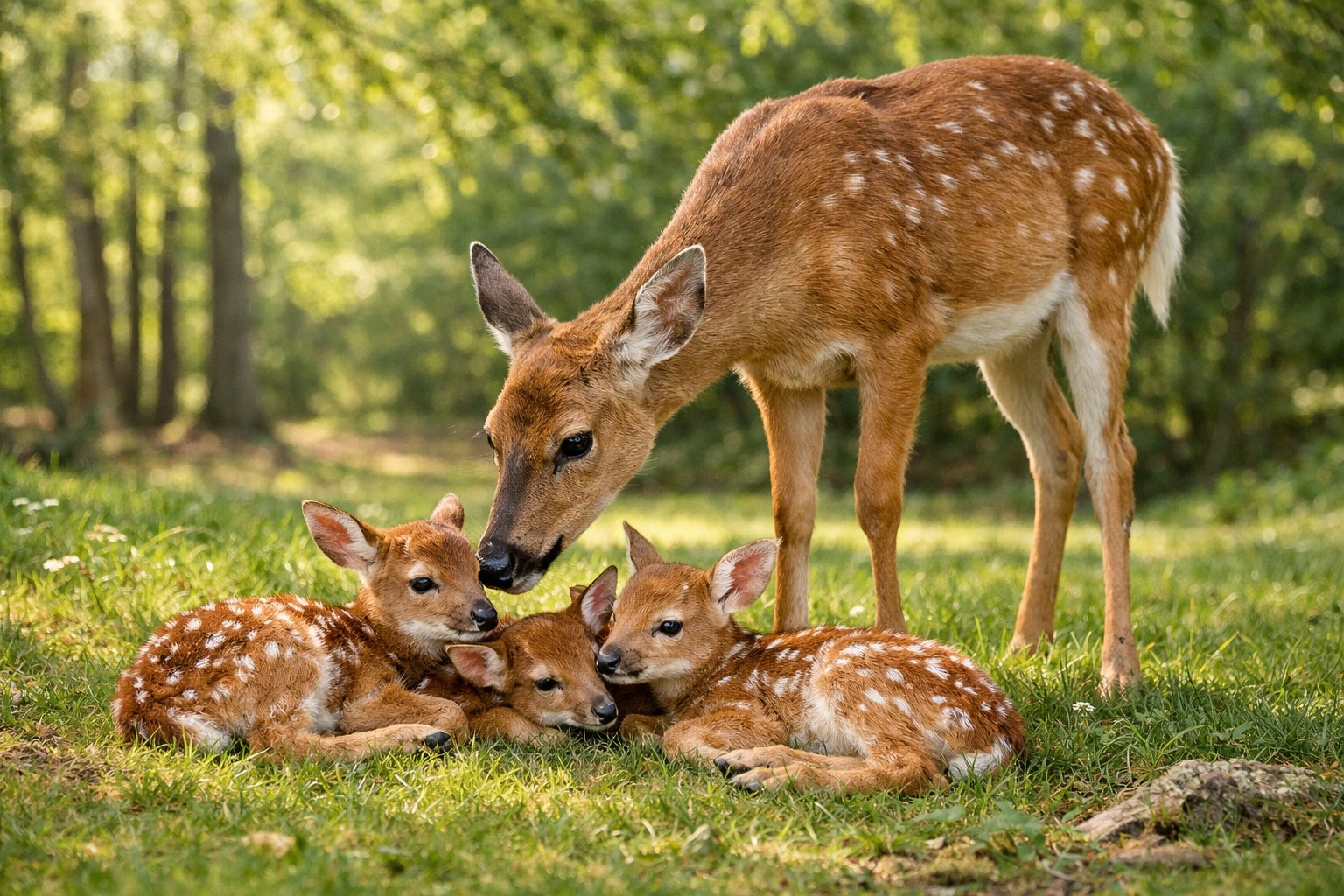
Most adult female deer give birth to one, two, or sometimes three fawns at a time. The number really depends on the doe’s age, her health, and how much food she can find.
Average Litter Size in Deer
If you’re in North America, you’ll usually see does with either one or two fawns. Yearling does, since they’re still growing themselves, usually have just one. Once a doe hits two years or older, twins become way more likely.
White-tailed fawns usually weigh somewhere between 4 and 8 pounds at birth. Nutrition plays a huge role—does in lush, food-rich areas almost always have twins, but if food’s scarce, singles are more common. Most deer only have one litter each year, usually following a set seasonal rhythm.
Multiple Births: Twins, Triplets, and Beyond
In healthy deer herds with plenty to eat, twins are the usual sight. Every so often, you’ll hear about triplets, especially if the habitat’s extra productive. Quadruplets and quintuplets? Those are real outliers, but they’ve popped up in some special cases.
When a doe has several fawns, she’ll actually hide them in different spots to keep predators guessing. That makes her job tougher—she has to feed and protect each one, which isn’t easy. How many of those fawns make it through their first year depends a lot on predators and how good the habitat is.
Differences Between Deer Species
White-tailed deer typically have one to three fawns, and twins are most common when the population’s stable. Mule deer, on the other hand, usually have fewer twins and more single births, especially if the environment’s rough.
Timing can shift, too. White-tailed fawns usually arrive in May or June, but other deer species might have different birth windows depending on where they live. The species around you, your local climate, and habitat quality will all affect what litter sizes you’ll notice. Want more details? Check out how many babies deer typically have at once (https://biologyinsights.com/how-many-babies-do-deer-have-at-once/).
Factors Affecting Fawn Numbers and Survival
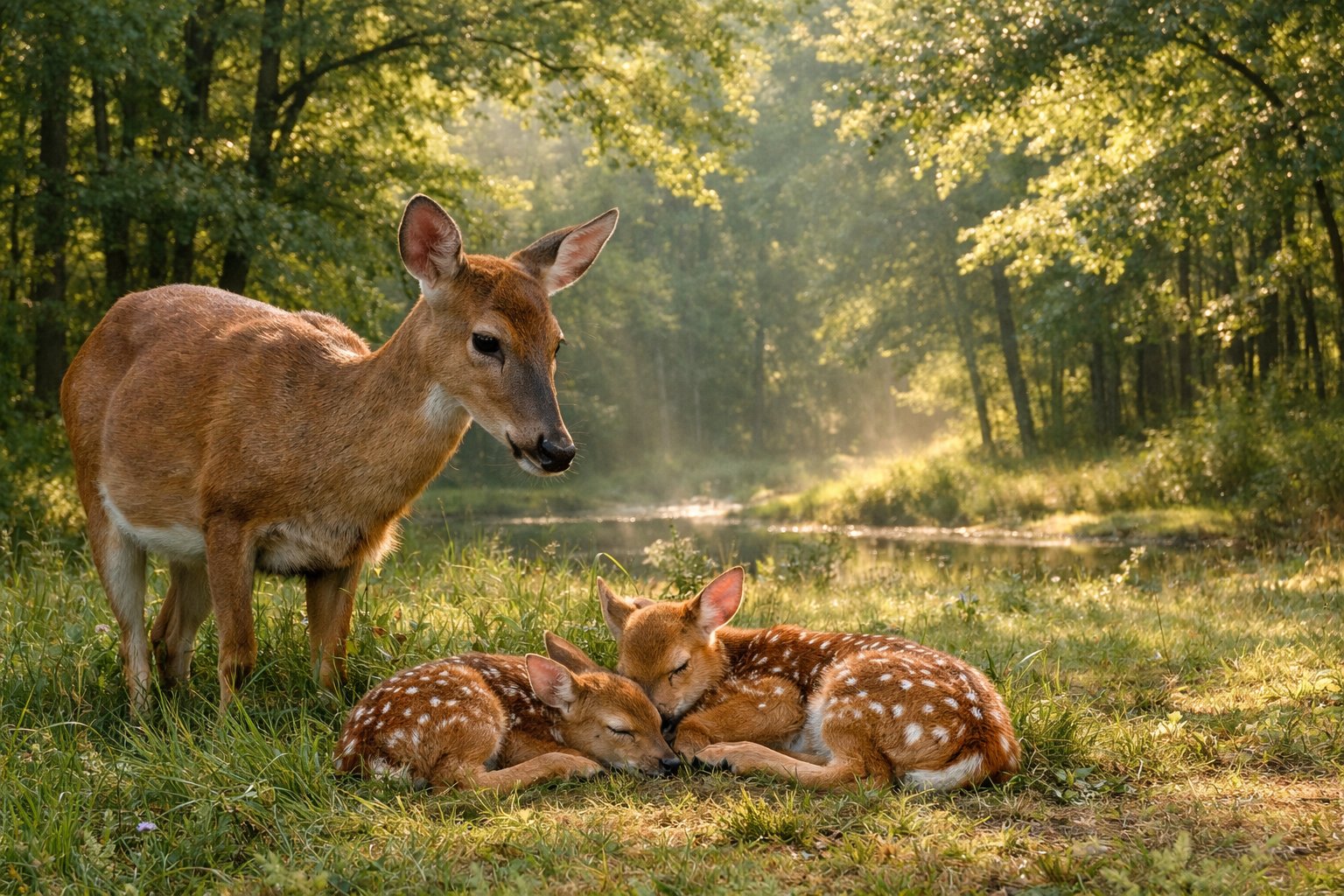
A few big things shape how many fawns a doe can raise: her age and health, the food and shelter nearby, predator pressure, and even disease or habitat loss.
Role of Doe Age and Experience
A doe’s age really changes how many fawns she’ll have and how well she looks after them. Yearling females usually have just one fawn—they’re still putting energy into their own growth. Mature does, especially those over three years old, more often carry twins or triplets if conditions are right.
Experience helps, too. Older does seem to hide their fawns better and keep to a solid nursing routine. That gives their babies a better shot at dodging predators like coyotes and bobcats. Plus, mature does bounce back quicker between pregnancies, which keeps the herd’s health up year after year.
Nutritional Status and Habitat Quality
What a doe eats changes everything about her fawn production. If deer have access to lots of fresh shoots, crops, and good browse, they tend to breed earlier and have bigger litters. Poor diets limit how many eggs a doe releases and can lead to smaller or weaker fawns.
Habitat makes a difference for both birth and survival. Dense cover gives fawns places to hide. If the landscape’s open or broken up, predators and bad weather become bigger threats. When deer get pushed into poor habitats, both the number of fawns and their odds of surviving drop fast.
Predation and Environmental Pressures
Predators play a huge role in fawn survival. Coyotes top the list in many places, but bobcats, bears, and wolves also hunt fawns where their ranges overlap. If there are lots of predators around, fawn survival can drop by half.
Tough weather adds to the challenge. Cold, wet springs can cause hypothermia or disease in newborns. When you mix high predator numbers, not enough cover, and rough weather, you end up with way fewer young deer making it to adulthood.
Impact of Disease and Habitat Loss
Keep an eye on disease and habitat loss—they both really take a toll on deer health and reproduction. Chronic wasting disease, along with other infections, can hit body condition hard and drag down fawn production.
When does get sick, they usually have fewer or weaker fawns. Sometimes, they even abandon their young more often than you’d expect.
Habitat loss chops up deer populations and blocks their access to good food or safe bedding spots. It doesn’t help that fragmentation pushes deer closer to people, which means more road collisions and extra stress.
All of this? It adds up. Fewer fawns per doe, and not as many fawns making it into the population.


