
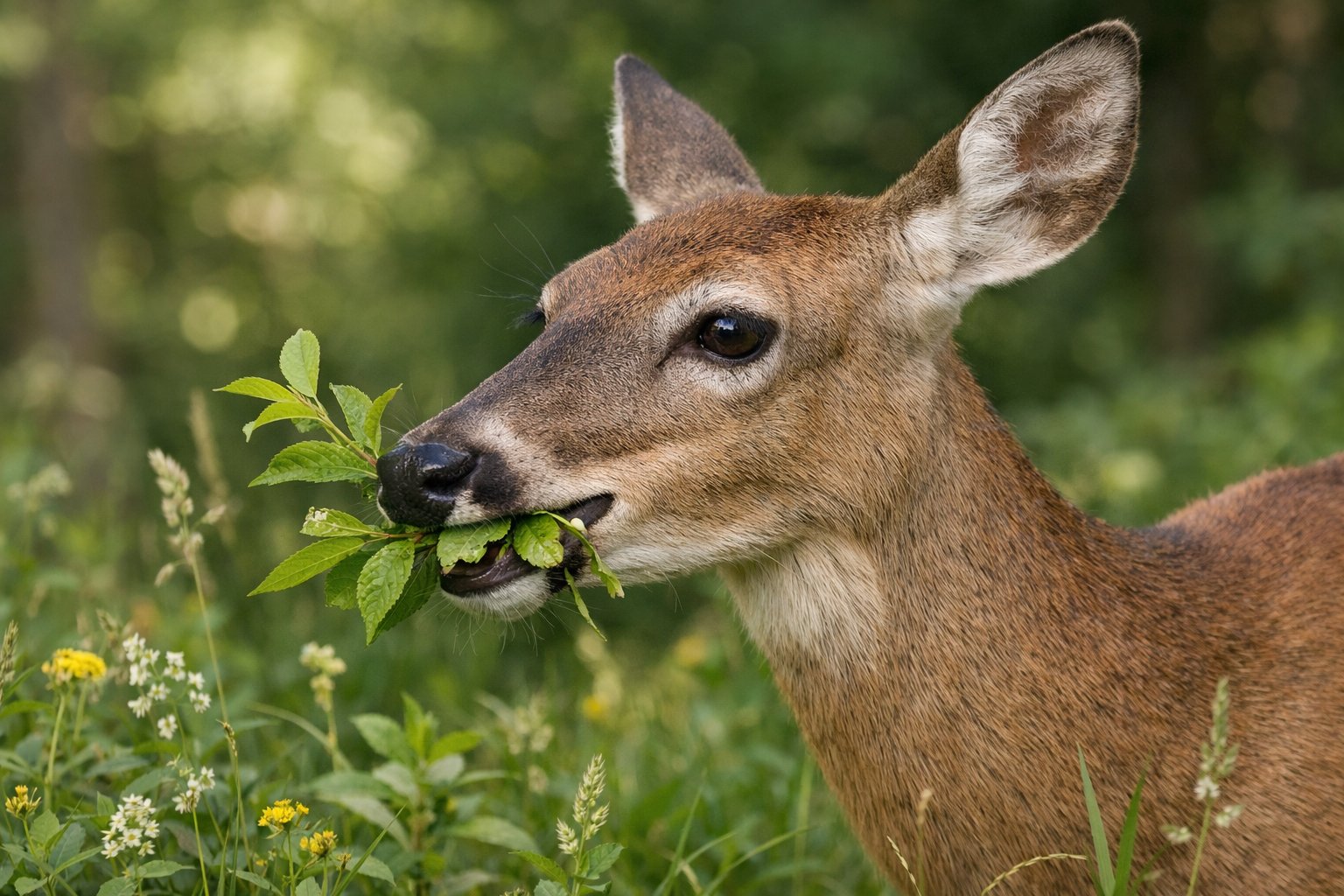
You’ve probably spotted deer nibbling in your yard or lurking at the edge of the woods and wondered, what keeps drawing them back? Deer mostly eat plants—leaves, buds, fruits, nuts, and some grasses—but they’ll switch up their menu depending on the season and what’s around.
Let’s get into which foods deer actually prefer, why those choices matter for their health, and how the seasons and local plants shape what ends up on their plate. This guide might help you figure out what’s attracting deer to your yard—or what you might want to avoid planting if you’d rather not have them munching your garden.
Key Foods in the Deer Diet
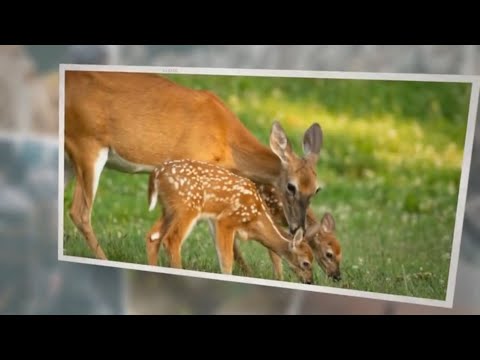
Deer chow down on a mix of leafy browse, soft plants, and whatever nuts and fruits are in season. These foods give them protein, energy, and minerals you can spot if you’re paying attention.
Browse and Woody Plants
Browse means leaves, buds, and twig tips from trees and shrubs. You’ll catch deer eating oak leaves, willow shoots, aspen saplings, and dogwood branches—especially in winter when green plants are hard to find.
Saplings and fresh shoots pack the most nutrients, so deer go for young growth they can reach. Shrubs like honeysuckle, briars, and white cedar offer both food and cover.
Sometimes you’ll see deer stripping bark or biting buds on maple and ash during rough months. If you want more deer around, don’t just plant tall, old trees; young browse and edge habitat attract them.
Forbs and Herbaceous Plants
Forbs are the soft, non-woody plants deer crave in spring and summer. You might spot them eating clover, alfalfa, chicory, asters, goldenrod, ragweed, and pokeweed.
Legumes like peas and wild beans are protein-rich and seem to draw deer fast. Grasses don’t rank as high, but deer will graze oats, sorghum, and tender grass in early spring.
Brassicas—think turnips and rape—are high-value forage for late-season feeding. Mixing forbs and legumes keeps deer interested in your land through the growing season.
Acorns and Other Nuts
Hard mast—acorns, beechnuts, hickory nuts, chestnuts, and pecans—give deer fat and carbs in fall and winter. White oak acorns taste less bitter, so deer eat those first.
When oaks drop lots of acorns, deer flock beneath the trees. Hickory and chestnut groves become top winter feeding spots.
You might see deer digging for buried nuts or pawing through leaf litter. If you manage land, keep oaks and hickories around and try to help more nuts reach the ground.
Fruits and Berries
Soft mast—like blackberries, raspberries, elderberry, persimmons, and wild pears—gives deer sugars and vitamins. Deer snack on these in late summer and fall.
Dogwood fruits and pokeweed berries also make the list. Shrubs and small trees that bear fruit near cover are real hotspots.
As berries ripen, deer often switch from forbs to fruit. Planting or protecting berry bushes can stretch out food availability and help deer bulk up before winter.
Seasonal and Regional Deer Foods

Deer change up their diet as the seasons shift and depending on where they live. In spring, you’ll catch them chasing tender greens.
Come fall, they fatten up on nuts and crops. In winter, they browse woody stems.
If you live near a town or farm, you’ve probably seen deer raiding gardens and fields too.
Spring and Summer Diet Patterns
In spring, deer focus on fresh, protein-rich plants. These help does nurse fawns and let bucks grow antlers.
They eat clover, alfalfa, and young forbs in food plots. Tender shoots of maple, willow, and birch get browsed a lot.
You might spot deer in gardens munching on hostas, daylilies, and tulips. Broad-leafed plants are easy for deer to digest and loaded with nutrients.
Grasses like bluegrass get eaten, but forbs and legumes—beans and young soybeans in some areas—usually make up more of the diet if they’re around.
In summer, fruiting plants and sunflowers pull deer in. They’ll go for anything watery and sweet, like tomatoes and berries, to help stay hydrated in the heat.
Autumn Food Preferences
Autumn is all about packing on fat for winter and fueling the rut. Deer focus on high-energy mast like acorns and soft fruits.
They also raid agricultural crops. Corn and soybeans become prime targets once the fields dry out and kernels or pods mature.
You’ll see deer in food plots with rye, turnips, beets, and brassicas. These crops give them carbs and minerals.
Pumpkins and sweet potatoes in gardens can tempt deer looking for extra calories. Sunflowers are a hit for their seeds and leftover heads after harvest.
Cereal grains like wheat offer quick energy. Harvested grain fields often hold deer in open country late in the fall.
Winter Foraging Adaptations
When snow falls and the cold sets in, deer lean on woody browse and whatever fat they’ve stored. You’ll catch them nipping buds, twigs, and evergreen leaves off shrubs and trees.
They often go for oak twigs, dogwood stems, and birch. In cities, deer might even eat English ivy if nothing else is around.
Deer try to conserve energy, eating less but picking foods with the best nutrients they can find. Food plots with winter-hardy rye or brassicas like turnips and beets can help.
If you manage land, keep patches of evergreen cover and native shrubs so deer get both food and shelter during deep cold.
Skip feeding them lots of plain corn or high-carb human food; sudden diet changes can mess up their digestion and health.
Urban and Agricultural Food Sources
In towns and on farms, deer just go for whatever’s easy and abundant. You’ll spot them in residential yards munching on hostas, tulips, daylilies, and raiding vegetable gardens for tomatoes or pumpkins.
Landscapes full of ornamental shrubs or English ivy give deer something to chew on, especially when people trim back native plants.
On farmland, deer hit corn, soybeans, wheat, and alfalfa. They also wander into sunflower fields and food plots planted with clover, rye, or brassicas.
A mix of beans, cereal grains, and root crops like turnips or beets in food plots keeps deer fed throughout the year.
If you want to cut down on damage, try putting up fencing or planting varieties deer don’t like as much. You could also set up food plots farther from gardens, so deer focus on those managed spots instead.


