
Deer attacks don’t happen often, but if one does, you’ll want a simple plan to stay safe.
If a deer charges, try to get a solid object between you and the animal, make loud noises, and fight back if you can’t avoid contact. That quick thinking can lower your odds of serious injury.
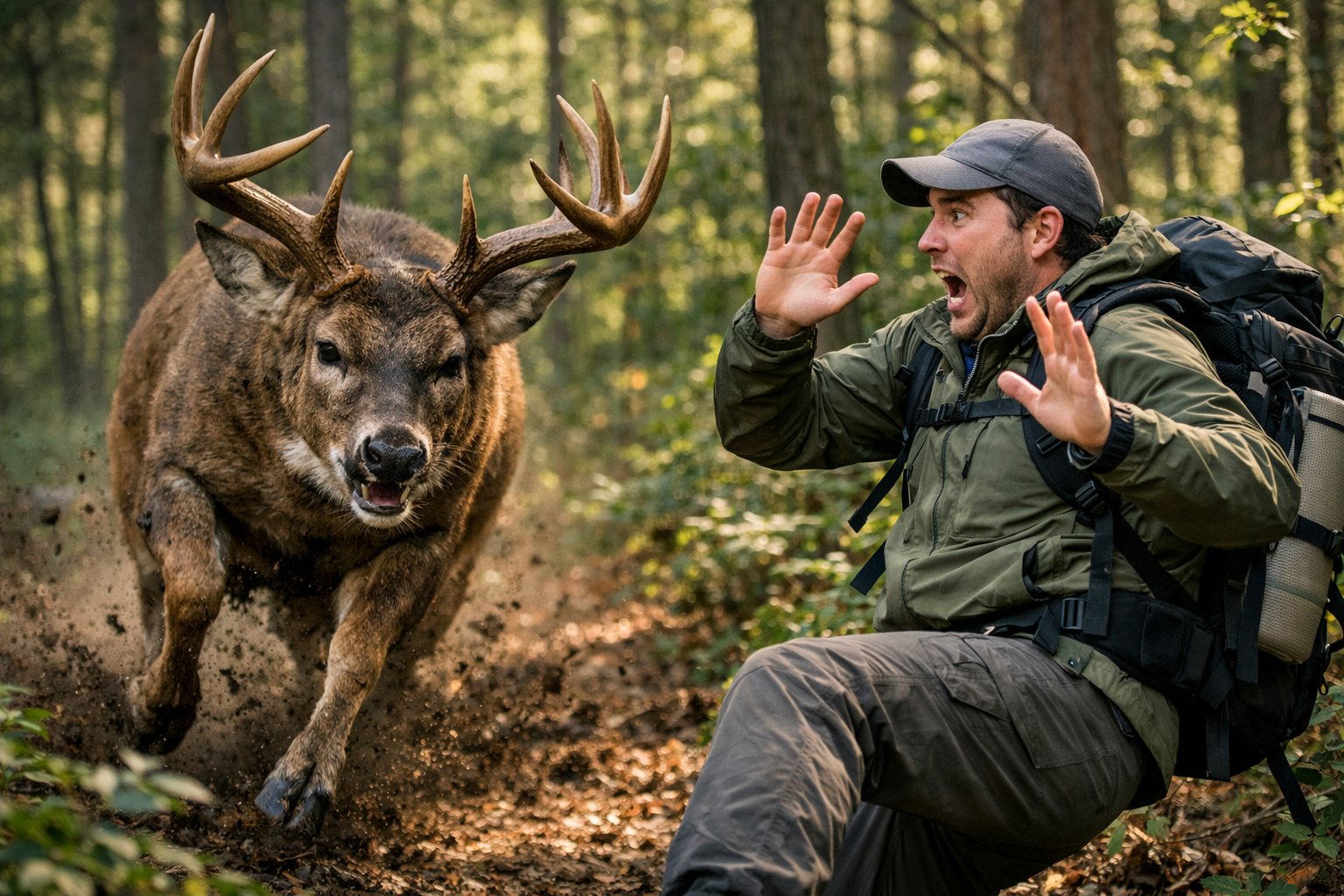
Let’s talk about why deer sometimes act aggressive and what warning signs to watch for—like stomping or antler displays. I’ll also go over how to avoid risky run-ins near fawns or during rut, what to do if a deer charges, and what steps to take after an attack.
Why Deer Attack Humans and Warning Signs
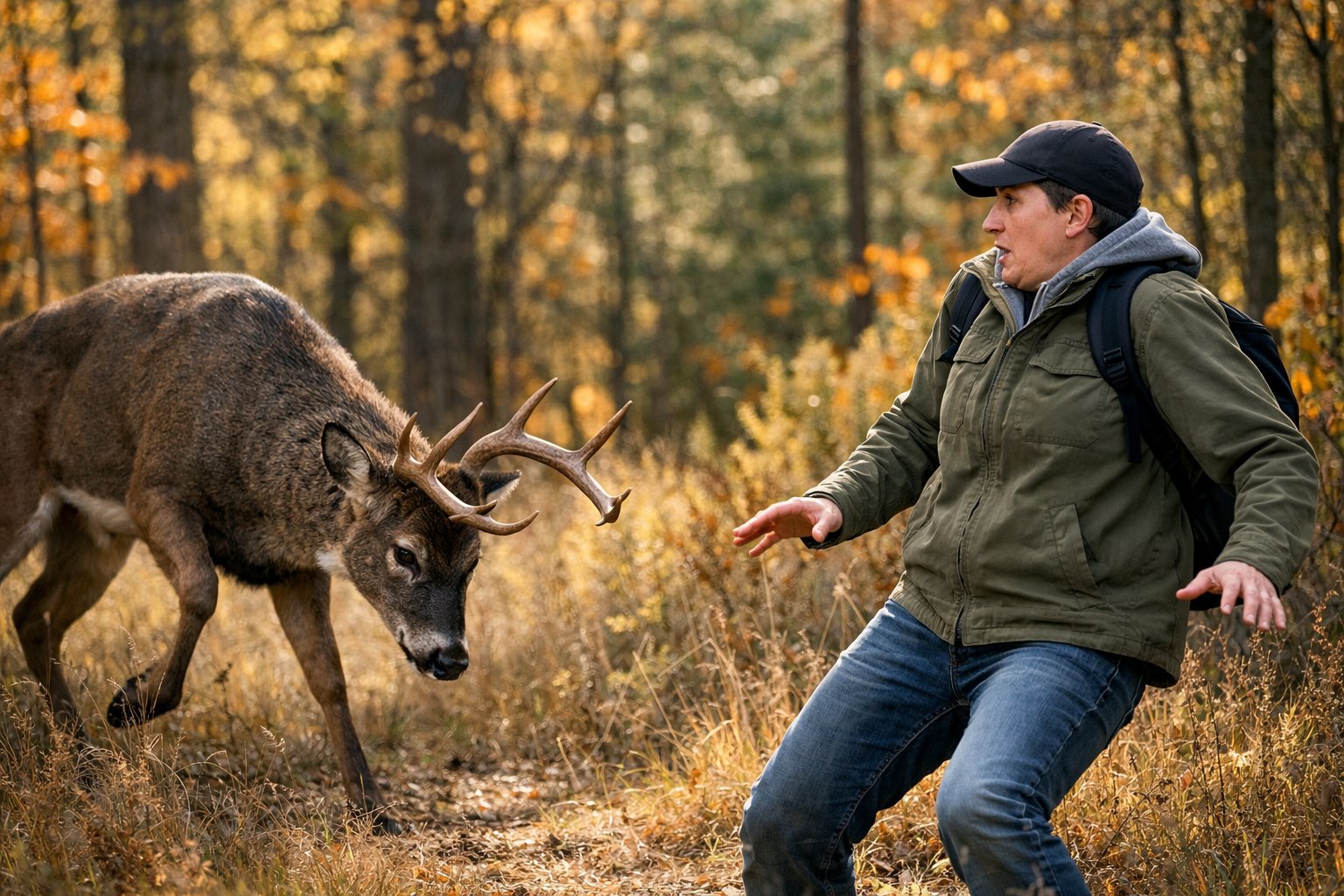
Most deer want nothing to do with people, but they’ll defend themselves if they feel trapped, threatened, sick, or full of hormones. Keep an eye on their body language and pay attention to the season.
Common Triggers for Aggression
Deer get aggressive when they see you as a threat. If you get too close to a fawn, corner a deer with no escape, or try to pet a tame-looking one, you might set them off.
Bucks act up more during rut—they might see you as competition if you move too fast near them. Sick or injured deer can behave strangely and might treat you like a predator. Deer hanging around roads or yards sometimes get bold, then panic and lash out if startled.
You’ll often find deer in thick brush, near farms, or even in yards. Those spots can surprise you with a sudden encounter.
Warning Behaviors to Watch For
Notice if a deer holds its head high, stares you down, or pins its ears back. These are red flags.
You might also spot a tucked tail, stomping hooves, or short, jumpy steps. Bucks will lower their heads and paw at the ground when they’re ready for a fight. Does with fawns might snort, make short charges, or try to block your way.
If a deer freezes and locks eyes with you, just back away slowly while facing it. Don’t yell or run—sudden moves can make things worse.
Risks During Rutting and Fawning Seasons
Rutting season, usually in the fall for white-tailed and mule deer, means bucks get more aggressive. They focus on finding mates and might forget to be scared of people.
You could run into a rutting buck on trails, in open fields, or even near roads at dawn or dusk. Spring brings fawning season, and does get extra protective. They’ll let you get closer than usual, but if they sense a threat, they don’t hesitate to react.
Don’t approach fawns—a nearby doe could attack to defend her baby. In both seasons, keep your distance, give deer a way out, and move away calmly if you see any aggressive behavior.
How to Prevent and Respond to a Deer Attack
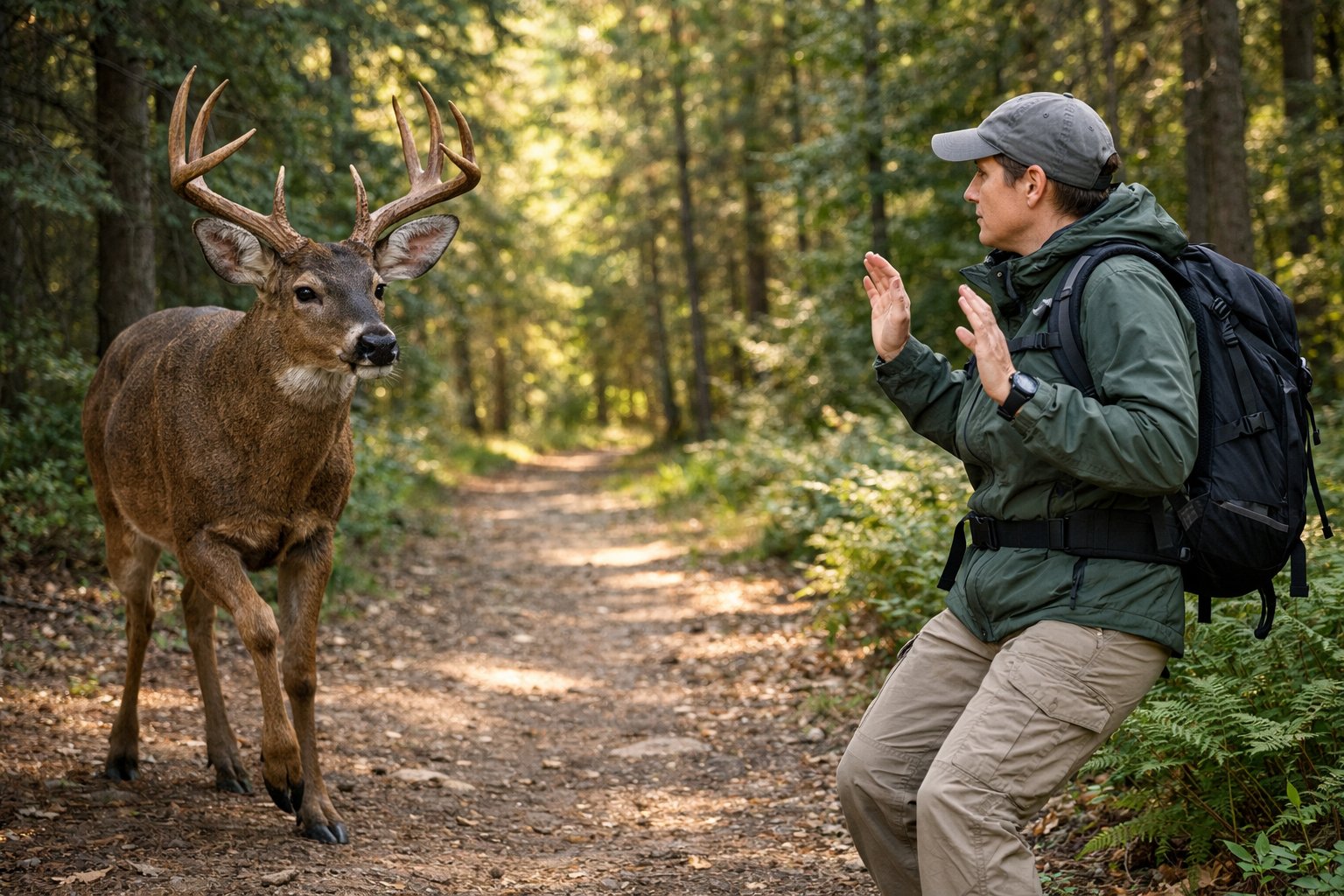
You can lower your risk by keeping your distance and never feeding deer. Pay attention to warning signs.
If a deer acts aggressive, use something as a barrier, make yourself look big, and protect your head until you’re safe or the deer goes away.
Avoiding Dangerous Deer Encounters
Try to stay at least 50 yards away from deer. That’s far enough to avoid trouble with does and bucks.
Keep your dog on a short leash and out of tall grass where fawns might hide. Never feed deer—they’ll start hanging around people and cars, which isn’t good for anyone.
Take down bird feeders or use fencing and repellents meant for yards. When you’re moving through thick brush, make some noise—talk, clap, or wear a bell—so deer have a chance to leave before you get close.
If you see a deer stomping, snorting, flattening its ears, or raising its hair, it feels threatened. Back away slowly and don’t run.
If a deer follows you, put a big object like a tree, car, or backpack between you and the animal.
What to Do If a Deer Attacks
If a deer charges, shout and wave your arms to look bigger. Use whatever you have—a bag, jacket, or bike—to block the antlers and hooves.
Move sideways instead of straight back. It’s easier to keep your balance and find an escape route.
If you get knocked down, curl up tight and protect your head and neck with your arms. Try to turn your body so the hooves hit your back or shoulders, not your face.
If you can grab a heavy stick or rock, use it to defend yourself—aim for the nose or eyes to make the deer stop.
Don’t play dead if a deer charges. Keep fighting back until the deer leaves.
Once it’s gone, get somewhere safe, check for injuries, and keep pets and kids away from the area.
After an Encounter: Medical Attention and Reporting
Look for cuts, puncture wounds, or broken bones as soon as possible. Puncture wounds might seem small, but they can hide deeper problems and bring in infection.
Wash minor wounds with soap and water. If you notice heavy bleeding, deep punctures, or pain that just feels off, get medical help right away.
Let local wildlife officials know what happened. They need details—where it happened, when, what the deer did, and if it had antlers or seemed to be guarding a fawn.
Your report gives wildlife managers a better idea of whether they should test or remove the deer. This is especially important if the animal acted strangely or didn’t seem afraid.
If the deer hurt you near a road or someone’s property, take photos and write down names of any witnesses. Reach out to your doctor about tetanus shots or infection risks.
Follow any advice from local authorities about possibly rabid or sick wildlife.


