
So, what eats deer the most? The biggest impact usually comes from large, patient hunters—think wolves, mountain lions, and coyotes. Wolves and mountain lions kill the most adult deer where they live. Coyotes and bears, on the other hand, mostly take fawns and weakened adults.
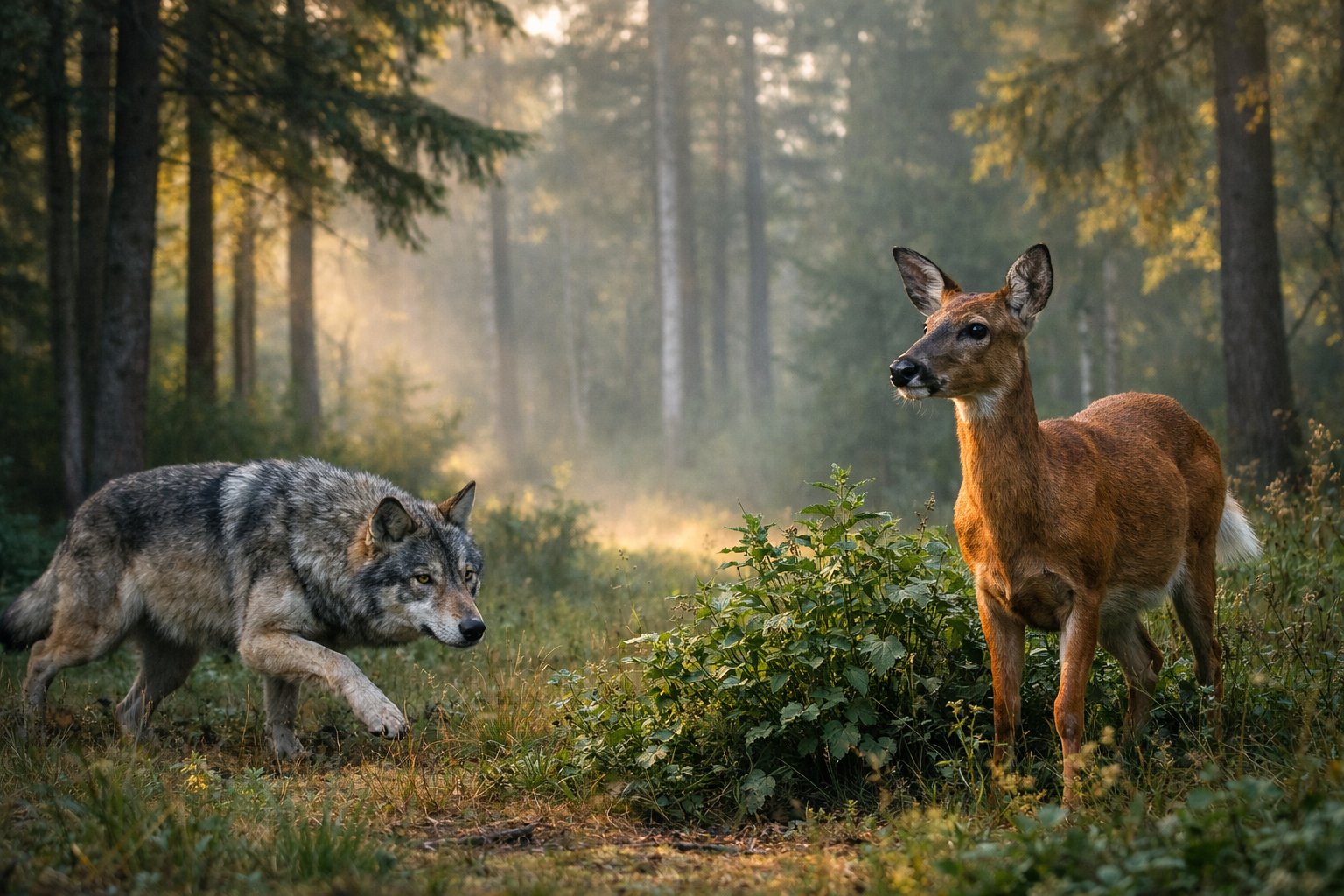
Depending on the region and deer species, the main predators shift. In North America, white-tailed and mule deer face different threats than, say, red deer or reindeer in other places.
Group hunters, solitary ambushers, and even scavengers all play their part. They shape deer populations and survival in ways that might surprise you.
If you’re curious, keep an eye out for the main hunters. There are also smaller or sneakier predators that, honestly, can matter just as much to local ecosystems.
Main Predators That Eat Deer the Most
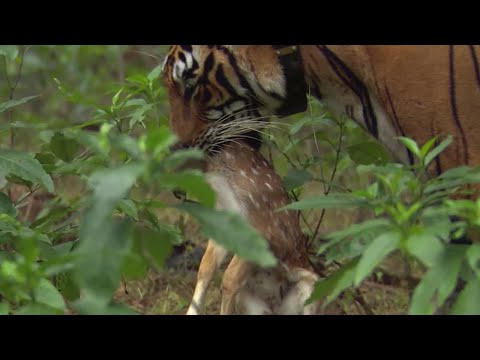
These predators don’t just kill deer—they change where deer live and how they act. Let’s get into which predators take the most deer, why they do it, and how people affect those losses.
Humans and Deer Hunting
People have a huge impact on deer numbers through hunting. In many U.S. states, hunters take millions of white-tailed deer every year during regulated seasons.
Most hunters target bucks and yearlings, and states set bag limits and season dates to keep things in check. Venison draws a lot of folks to the woods, and hunting dogs can help with tracking and retrieval.
Wildlife agencies track deer mortality through licensing and reporting. They adjust rules if numbers drop, so your choices—where you hunt, what you harvest, and whether you follow the rules—really do matter for deer and their habitat.
Wolves: Primary Natural Predators
Wolves hit deer populations hard where packs roam. They hunt together, which lets them take down adults and fawns alike.
A single wolf pack can take dozens or even hundreds of deer in a year, depending on how big the pack is and how much prey is around. Wolves change how deer behave, too.
Deer might avoid open areas or shift their feeding times just to dodge wolves. When wolf numbers go up, agencies often keep a close eye on both wolves and deer to keep things balanced.
You’ll see the biggest wolf impacts in places with healthy packs and not much human hunting.
Coyotes and Their Impact on Fawns
Coyotes hit newborn fawns the hardest. They hunt alone or in small groups, and they’re pretty good at sniffing out hidden fawns left in cover.
In some places, coyotes take a big chunk of the fawns born each spring. That means fewer yearlings make it to the next year.
Some areas run coyote control programs to protect fawns, but people debate how much good those really do long-term. Coyotes also eat carcasses and sometimes take sick or weak adults.
Their ability to live almost anywhere and eat almost anything keeps steady pressure on deer populations.
Bears as Opportunistic Predators
Bears eat deer when they get the chance, but they rarely go after healthy adults. Black bears and brown bears mostly take fawns or scavenge what they find.
In spring, a bear that stumbles on a fawn or a hunter’s gut pile will chow down to recover from winter. Bear predation pops up more where their range overlaps with deer birthing areas.
Bears’ opportunistic eating habits mean they affect fawn survival more than adult mortality. If hunters leave gut piles behind, that can attract bears, so cleaning up after a hunt actually helps reduce bear-deer encounters.
Other Animal Predators and Scavengers of Deer
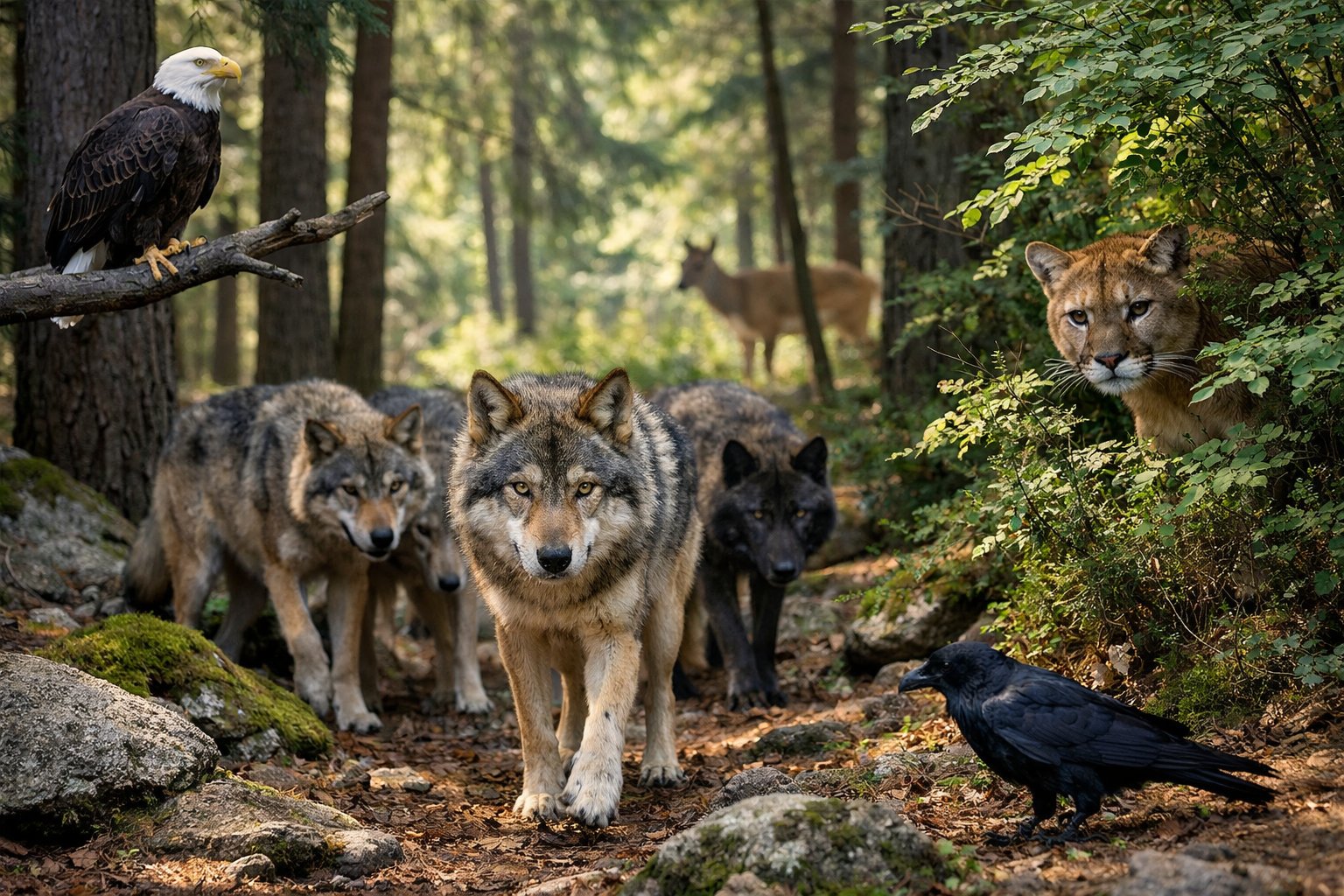
Let’s talk about the other players. Mid- and large-sized predators, aquatic hunters, and even birds and scavengers all get in on the action.
You’ll see different hunting styles and different targets—some go for fawns, some for adults, and some just pick at carcasses. Where these interactions happen can be pretty fascinating.
Mountain Lions, Cougars, and Wild Cats
Mountain lions (or cougars, if you prefer) mostly kill deer by ambush. They use thick cover and steep ground to sneak close, then strike fast with a bite to the neck or head.
They usually go for yearlings and adult does, especially in brushy or canyon-filled areas. Smaller wild cats—like bobcats and lynx—tend to take fawns or injured deer.
Bobcats stick close to forest edges and fields, while lynx hunt in snowy boreal forests and may target smaller deer species. Jaguars and leopards also eat deer where their ranges cross with big forests or wetlands.
They kill by surprise and often stash meat for later. Cougars might eat a deer about once a week if the habitat’s good.
Their presence helps keep deer numbers in check and can even limit overgrazing near trails and streams.
Alligators and Aquatic Predators
American alligators grab deer that cross or approach water. You’ll mostly see these attacks at riverbanks, marshes, and ponds in the southeastern U.S.
An alligator waits underwater, then lunges and drags the deer below the surface. Killer whales have even been spotted taking moose and other swimming deer-family members off Alaska and British Columbia.
In coastal or island areas, deer that swim between islands risk orca attacks. Sometimes, other aquatic predators—like wading birds, otters, or crocodilians—scavenge carcasses at the water’s edge.
These encounters usually happen when deer come to drink or cross water during migration.
Birds of Prey and Vultures
Eagles and other raptors go after fawns and carcasses. Golden eagles sometimes hunt young fawns in open, mountainous areas. Bald eagles usually scavenge larger carcasses or rip meat from dead deer.
Hawks and other raptors don’t usually kill adult deer. They’ll go for sick or newborn ones instead.
Vultures—turkey vultures and black vultures—do most of the heavy lifting when it comes to scavenging. They spot carcasses fast, using both sight and smell, then strip away the soft tissues.
Crows and carrion beetles show up later to pick bones clean and work on the hide. If you’re in a place with lots of deer or roadkill, you’ll probably notice vultures and other scavenger birds staying busy, helping to cycle nutrients back into the ecosystem.


