
You probably picture deer nibbling leaves and berries. But sometimes, they eat meat—yes, really.
Deer will sometimes eat meat or scavenged animal parts when plants don’t cut it, especially if they need extra protein, calcium, or phosphorus.
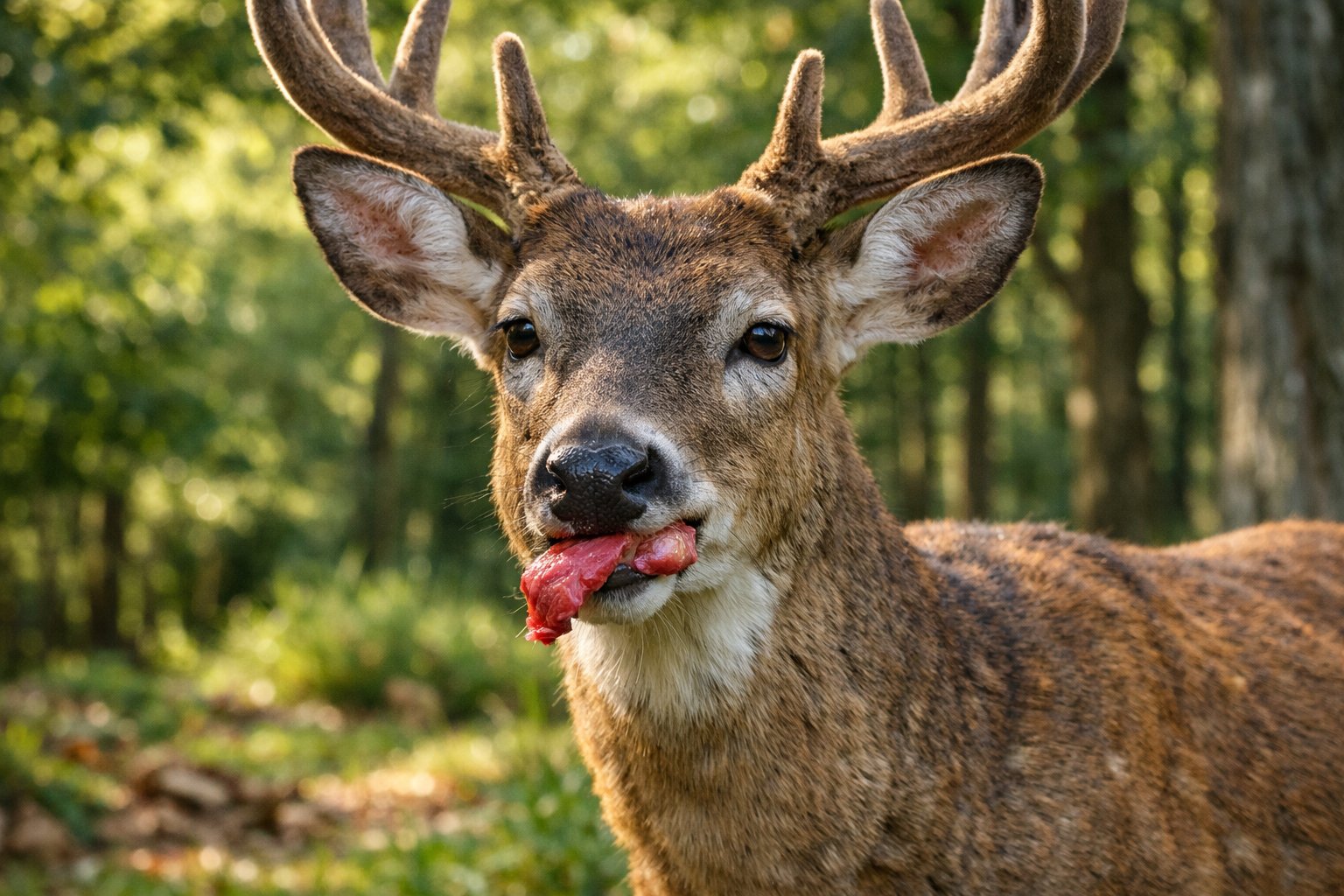
Let’s get into some real-life stories where deer ate fish, birds, or even carrion. Why does this happen? What does it say about how we understand deer diets and how we care for wildlife? Well, it’s more interesting than you might think.
Rare Meat-Eating Incidents Among Deer

Let’s talk about real cases where deer munched on animal matter. What kind of meat do they take, and do they hunt or just scavenge?
You’ll find these examples in trail-camera footage, field reports, and studies that caught deer doing something unexpected.
Documented Cases of Deer Eating Meat
Trail cameras and field observers have caught white-tailed deer and elk eating animal flesh. You can spot videos of whitetail deer taking dead rabbits or squirrels, sometimes even pulling nestling birds from nests.
Some reports show deer eating fish or a snake washed up after a flood. A few dramatic cases include deer feeding on human remains at forensic anthropology research sites—pretty rare, but it has happened when carrion was left out.
Universities and wildlife groups in Texas and elsewhere have documented similar behavior when carcasses were around. Just to be clear, these events don’t happen often and usually tie back to local food shortages or weird circumstances.
Types of Animal Matter Consumed by Deer
Deer have eaten:
- Carrion (dead rabbits, squirrels, fish, and roadkill)
- Bird eggs and nestlings
- Small mammals like mice (though that’s not common)
- Shed antlers and bones (osteophagia for minerals)
Carrion pops up most often in reports since it’s easy to eat and packs nutrients. Eggs and nestlings offer protein in spring when plant foods are running low.
Shed antlers and bone fragments give them calcium and phosphorus, which matter for antler growth and nursing. You’ll hardly ever see deer chasing down medium-sized mammals; they mostly eat what they find or can grab easily.
Scavenging Versus Hunting: What Deer Actually Do
Deer usually scavenge instead of hunting. They don’t have the teeth or claws for taking down prey, and they don’t act like true predators.
When deer eat meat, they mostly find carrion or swipe eggs and nestlings near feeding spots. Sometimes, they grab a small, helpless animal, but that’s just luck or timing.
Scavenging explains almost all the trail-camera footage and field observations. Nutritional needs or rough seasons push them to this—not some secret carnivore lifestyle.
Why and When Do Deer Eat Meat?

Deer mostly stick to plants. But sometimes, they eat animal matter for specific reasons.
So, what drives this odd behavior? And when does it actually happen?
Nutritional Needs and Dietary Flexibility
Deer need minerals like calcium and phosphorus for growing antlers, making milk, and keeping bones strong. When plants don’t have enough, deer may chew on bones, shed antlers, or eat carrion to get those minerals fast.
Protein needs can also nudge deer to try animal tissue, especially in late winter or after a harsh season when plants are lousy. This isn’t a switch to a meat-heavy diet; it’s more of a backup plan.
You’ll see it more in males during antler growth and in nursing females. Eating meat or bone helps fill gaps that plants and their ruminant guts can’t always cover.
Environmental Pressures and Food Scarcity
Rough winters, drought, or overbrowsed areas can leave deer with too little or low-quality plant food. You might spot deer at carcasses, gut piles, or even by water where dead fish turn up when food is scarce.
Human changes to the landscape can make shortages worse by wiping out diverse browse and mast sources. In places with poor soil or lots of farmland, deer sometimes get desperate and eat things they normally wouldn’t.
Still, these meat-eating moments are rare and usually pop up only when deer face real stress.
Digestive Anatomy and Plant-Based Adaptations
Deer are ruminant herbivores. They’ve got a four-chambered stomach: rumen, reticulum, omasum, and abomasum.
Inside the rumen, microbes get to work fermenting cellulose from leaves and grasses. This whole setup helps them break down plants and churns out volatile fatty acids, which end up being their main source of energy.
Honestly, meat just doesn’t sit well in a ruminant’s gut. Deer don’t have the sharp teeth or the specialized digestive tracts that carnivores rely on, so animal protein isn’t really their thing.
If you ever see a deer nibbling on meat or maybe gnawing a bone, it’s usually just for a few minerals—definitely not because they’re turning into omnivores. Their whole system stays rooted in eating plants, and that’s not changing anytime soon.


