
You might think deer just wander around and freeze at the worst time, but honestly, they use learning, memory, and social cues in ways that really matter for staying alive.
Deer show practical intelligence: they remember safe routes, learn from others, and adapt their behavior for food and danger.
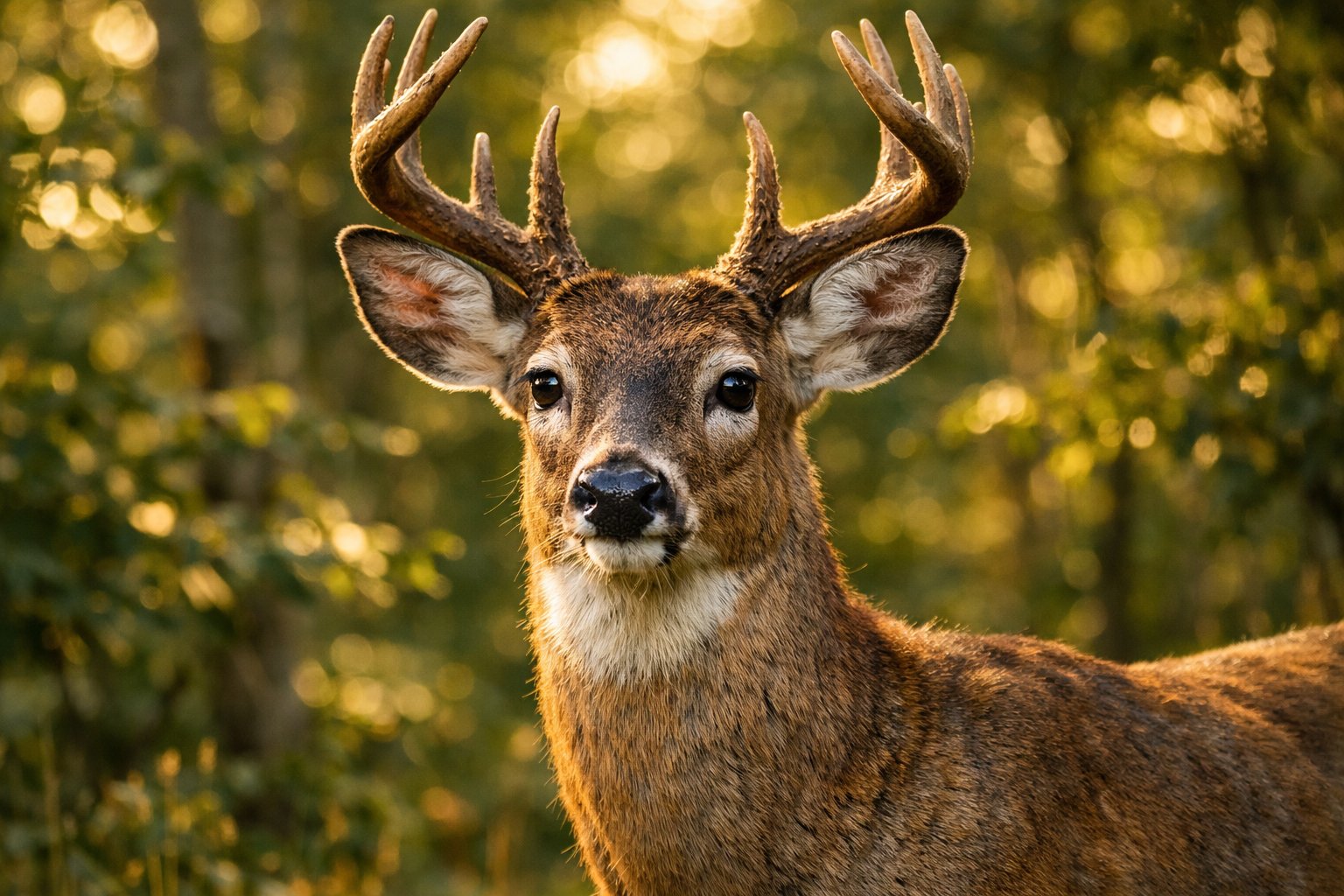
If you look closer at how deer learn and what shapes their thinking, you’ll notice their intelligence fits their world perfectly. It’s not human cleverness, but it sure is useful problem solving.
Let’s dig into the skills deer use, how their environments push them to adapt, and how different species compare.
What Makes Deers Intelligent?

Deer rely on memory, sharp senses, social learning, and flexible problem-solving to get by. You can spot their skills in how they find food, dodge danger, or just interact with each other.
Defining Deer Intelligence
Deer intelligence really shows up in practical ways that help them survive and reproduce. You’ll see it in how they learn travel routes, recognize feeding areas, and change their behavior after running into people or predators.
It’s not human reasoning; it’s tuned to survival stuff like finding the best browse, timing their movements, or picking the right cover.
You can measure their smarts by watching what they do—maybe a deer remembers where a hunter walked, or heads back to a safe bedding spot, or just steers clear of a new fence.
Antlers also play a big role in social status and mating choices, so males make decisions based on that. That kind of social thinking is definitely part of their intelligence.
Key Cognitive Skills in Deer
Deer lean on pattern recognition, risk assessment, and simple problem solving. You’ll notice pattern recognition when they remember where crop fields open up each year.
Risk assessment happens when a deer freezes, bolts, or circles back depending on how threatened it feels. Problem solving pops up when they figure out how to get past gates, fences, or reach high-up browse.
Social smarts matter, too. Fawns pick up escape routes and predator cues from their moms.
Males use antler displays to size up rivals. These skills help deer adapt to new environments, even cities.
Their intelligence really shows in choices that boost feeding success and lower their chances of getting caught by predators.
Role of Senses in Survival
Deer count on smell, hearing, and vision to make quick calls. Most of the time, your scent gives you away before you see them—they pick up smells from way farther than you’d guess.
Their hearing catches soft twig snaps or distant predators, letting them react before things get dangerous. Vision helps them spot movement, especially at dawn or dusk.
Senses work together pretty seamlessly. If you see a deer with its head up, ears flicking, and body tense, it’s probably using all those senses at once.
That quick, instinctive sensing lets deer decide whether to bolt, hide, or keep munching. Urban deer use these same senses to find food in weird new places and dodge cars or people.
Learning and Memory Abilities
Deer build strong memories about places and events. You’ll see them returning to the same bedding spots or food patches year after year.
They remember dangerous areas, like roads with heavy traffic, and will change their routes or timing to stay safer.
Social learning speeds things up. Fawns copy their mothers’ escape routes and feeding habits.
Groups share knowledge about safe paths and good food areas. Field studies show deer can learn tasks to get food, which means they use both trial-and-error and lessons from others.
How Deer Compare: Species Differences and Animal Intelligence

Deer come in all shapes and sizes, and their habitat and behavior really shape how they learn and survive. Some species lean on memory and social learning, while others just use boldness or size to deal with threats.
White-Tailed Deer and Whitetail Deer Traits
White-tailed deer (whitetails) live just about everywhere—forests, fields, even suburbs. You’ll notice they learn travel routes, watering holes, and favorite feeding spots.
Does teach fawns hiding places and escape paths. Bucks use scent and displays more than tricky problem-solving, but they definitely remember where people hang out near bedding areas.
Whitetails pick up new things fast, especially around roads and feeding stations. You might see them testing fences, slipping under, or finding weak spots.
They react to sudden sounds in a flash, and often freeze to figure out what’s up. Their memory for places and people really helps them dodge hunters, cars, and busy trails.
Mule Deer, Moose, and Other Species
Mule deer live in open, rugged country and use wide memory for long migrations. They depend on spatial memory to travel huge distances to seasonal ranges.
Moose, who are much bigger and more solitary, lean on their size and sharp senses instead of social learning. They remember rich browsing spots and move to wetlands for safety from wolves or coyotes.
Smaller species like roe or fallow deer adapt in their own ways. Your local deer will show behaviors shaped by predators, landscape, and how many people are around.
Species in tougher climates usually act more cautious and show more complex avoidance tricks.
Deer vs. Dogs, Horses, and Other Animals
Compared to dogs and horses, deer don’t really bond with humans or take to training. Dogs show social smarts and obedience, horses learn cues and routines.
Deer just use instinct and learned spatial memory to get by.
Dogs will outshine deer in problem-solving tasks that involve people or tools. Horses beat deer at trainability and following complex cues.
When it comes to wild predators like wolves or bears, deer rely on speed, camouflage, and group alertness—not the kind of team hunting you see in wolves.
Predator Awareness and Survival Strategies
Deer pick up on predators with sharp hearing, a strong sense of smell, and those big, wide eyes.
You’ll notice them give out alarm snorts or flip up their tails, and sometimes they just bolt—it’s their way of alerting the group.
When they’re together, does and fawns lean on social learning.
Young deer watch and mimic older ones, especially when it comes to dodging danger or figuring out when it’s safe to eat.
Bucks sometimes stand their ground during the rut, but honestly, they usually steer clear of trouble.
If wolves or coyotes show up, deer either dive into dense cover or take off in the open—it really depends on how close the threat gets.
With bears, they almost always dash for the trees or disappear into thick brush.
Deer in your area pick up on predator routines and shift their habits if there are more threats or if people start showing up more often.
Curious about how smart deer are or how they compare to other species? Check out World Deer.


