
You spot a deer at the edge of the woods and wonder why it bolts away when you get closer. Deer usually flee because humans have hunted them for centuries, and they’ve learned to survive by being cautious and using their sharp senses.
Deer mix instinct, experience, and their keen hearing and smell to treat people as a potential threat.
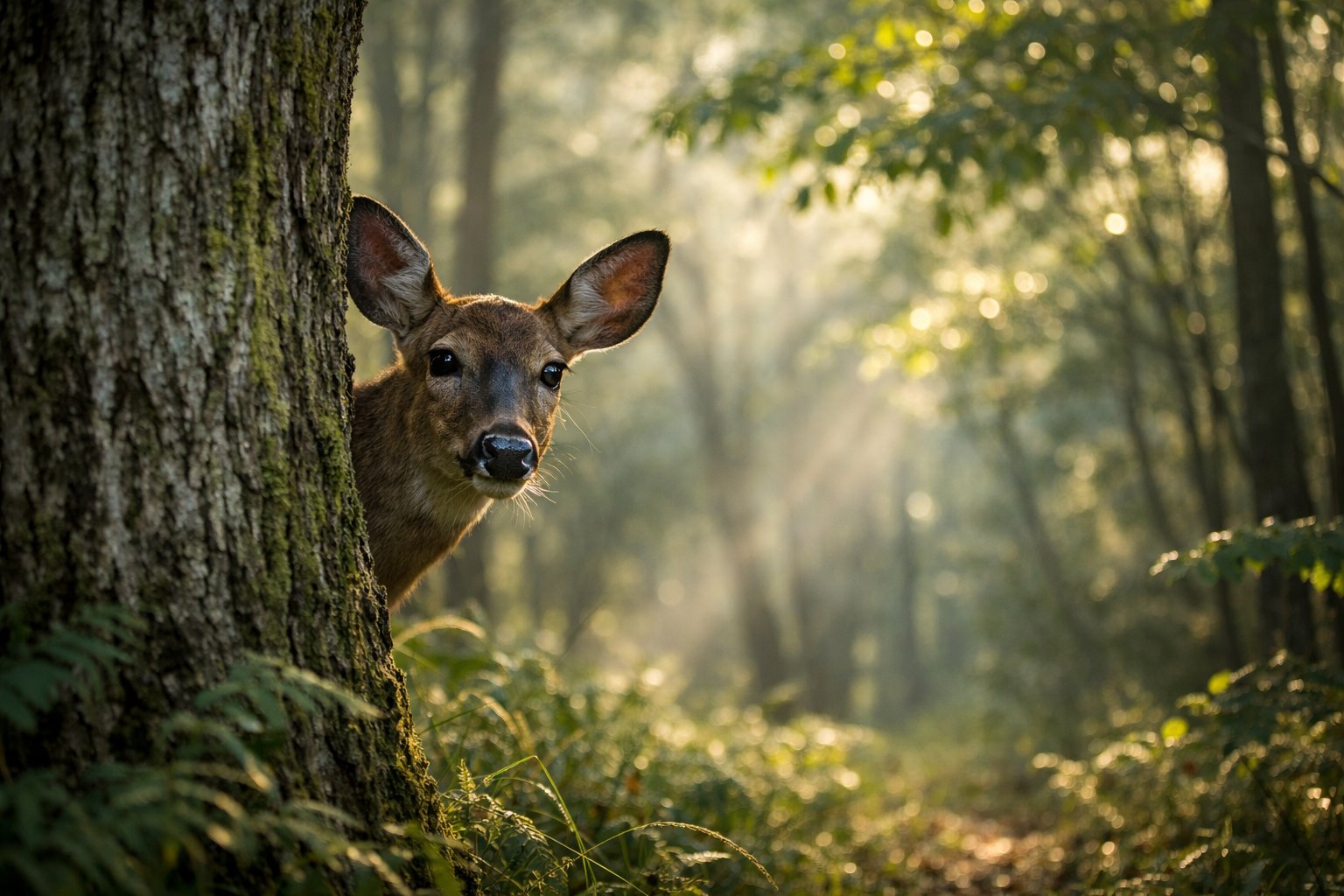
History, hunting, habitat changes, and everyday run-ins all shape this fear. Sometimes, deer become more tolerant, but that doesn’t always happen. Let’s dig into why they’re so wary and how your actions might shift what a deer feels around you.
The Origins of Deer Fear Towards Humans

Deer survive near predators and people by developing quick escape habits, sharp senses, and flexible behavior. Their fear comes from inherited instincts, strong senses, and differences in upbringing. It’s interesting to compare their response to humans with how they react to coyotes or wolves.
Evolutionary Predation and Instinctive Flight Response
When you study deer, you quickly notice they survive by running first and thinking later. Over generations, deer that ran from threats lived longer and had more fawns.
That shaped their instinct to flee, which you’ll see in white-tailed deer and others. Flight initiation distance—the point where a deer bolts—grows when hunting pressure increases.
In hunted areas, deer let you get nowhere near as close as in protected parks. Fawns watch their mothers and copy their escape habits, so the behavior sticks in wild herds.
Role of Senses in Detecting Human Presence
Deer rely on smell, hearing, and vision to sense danger. Their noses can pick up your scent on the wind and trigger alertness, even from far away.
Their ears swivel to catch faint sounds, like footsteps or voices, so they often spot you before you see them. Deer vision isn’t about detail; it’s about spotting motion and contrast.
Sudden movement can make them freeze or bolt. At night, their eyes use more rod cells, so they see better in low light and can avoid people after dark.
These senses team up to keep deer safe, whether they’re deep in the woods or wandering through a neighborhood.
Differences Between Wild and Domestic Deer
Wild deer act much more wary than those raised near people. Hunting and predators make wild deer keep their distance and use cover when you approach.
But deer that get used to people, especially if they’re fed, lose some of that fear. They might wander into yards or go after bird feeders, since food feels worth the risk.
That boldness can raise the odds of disease or car accidents. Still, even “tame” deer can spook if you move too fast or get close to a fawn.
Predators Compared: Fear Responses to Humans and Other Animals
Deer react differently to humans than to wolves or coyotes, but sometimes the fear looks pretty similar. When they sense a wolf or coyote, deer go on high alert and often run right away.
You’ll see tail-flagging, stamping, and sudden dashes. In places where people hunt them, deer treat humans like top predators and keep big safety zones.
In suburbs where people don’t harm them, deer might see humans as less risky and come out more at night. Their reaction really depends on what they’ve experienced with both humans and natural predators.
Relevant reading on how habituation changes deer behavior appears in a discussion of deer fear and habituation.
Environmental and Behavioral Factors Shaping Deer Fear
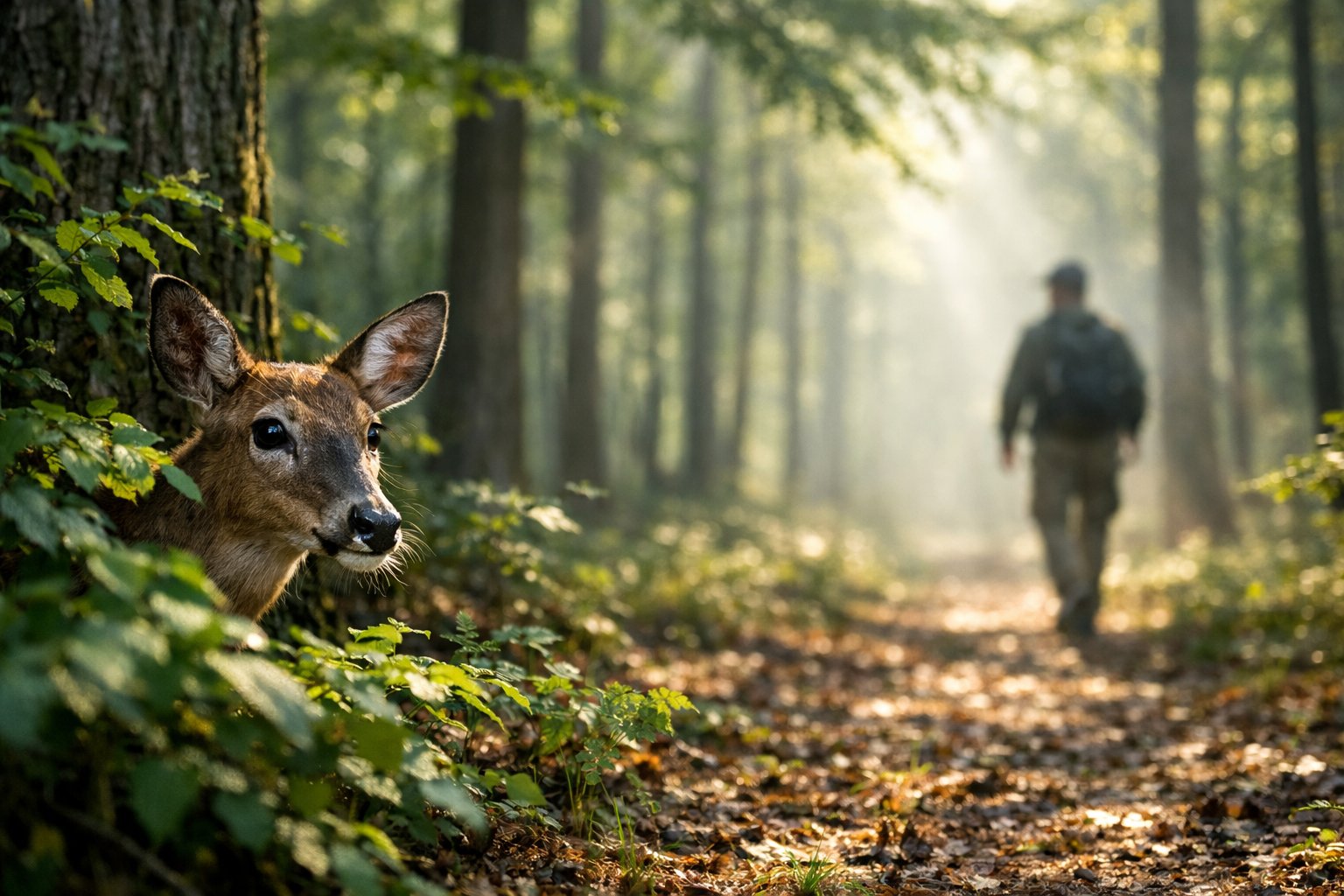
Where deer live and what they learn shapes their fear. Human presence, feeding, and shrinking wild spaces all play a role in how cautious they act.
Habituation and Reduced Fear in Urban Areas
In cities and suburbs, deer get used to people if nothing bad happens during encounters. When you walk past a deer every day and don’t bother it, the animal learns you’re not a threat.
That process, called habituation, lowers their flight response. You’ll see deer hanging out in parks, yards, or even right by sidewalks.
Deer that see lots of people, like those near busy gardens, usually act less afraid than rural deer that face hunters. Wildlife managers use these patterns to decide where to add fencing, signs, or other measures.
Impact of Human Encounters and Learned Behavior
Deer remember direct encounters. If a dog or a person chases a deer away from a garden, that deer—and even others watching—will treat similar situations as dangerous.
You’ll notice alarm snorts, tail-flagging, and sudden running. Fawns pick up on what their mothers do, learning which places and people to avoid.
More bad experiences mean more vigilance and stress. Wildlife managers pay attention to these patterns and suggest leash laws, quieter neighborhoods, or training dogs to steer clear of deer.
How Feeding Deer Affects Their Wariness
Feeding deer changes their attitude toward people pretty quickly. When you feed them, they start to see humans as a food source, so their fear drops and they get bolder.
That can lead to more deer near roads and homes, which isn’t always a good thing. It raises the risk of car accidents and property damage.
Feeding also crowds deer together, which can spread diseases like chronic wasting disease. That’s why many cities ban feeding to keep deer wild and healthy.
If you want to enjoy seeing deer without making them dependent, try planting deer-resistant plants instead. That way, you won’t teach them to rely on people for food.
Effects of Habitat Loss and Urbanization
Clear a forest or put up a new neighborhood, and deer lose both cover and their usual food sources. When this happens, deer end up moving closer to people just to find something to eat or somewhere to hide.
You’ll notice deer hanging around the edges of towns, grazing in gardens or munching on ornamental plants. Those leftover green patches? Deer love them.
Urbanization chops up their ranges and blocks off escape routes. In those tiny patches, deer get nervous and skittish. But oddly enough, if people are around all the time and don’t bother them, deer start acting bolder.
Land managers try to help everyone get along. They work on preserving corridors, suggest deer-resistant plants, and design green spaces that let deer move around without bumping into humans so much.


