
You might scroll past photos of odd-colored deer, but actually seeing one in the wild? That’s a whole different thrill. Melanistic deer—the ones with that strikingly dark or almost black coat—are the rarest you’ll ever come across. Spotting one is way less likely than seeing a white or piebald deer.
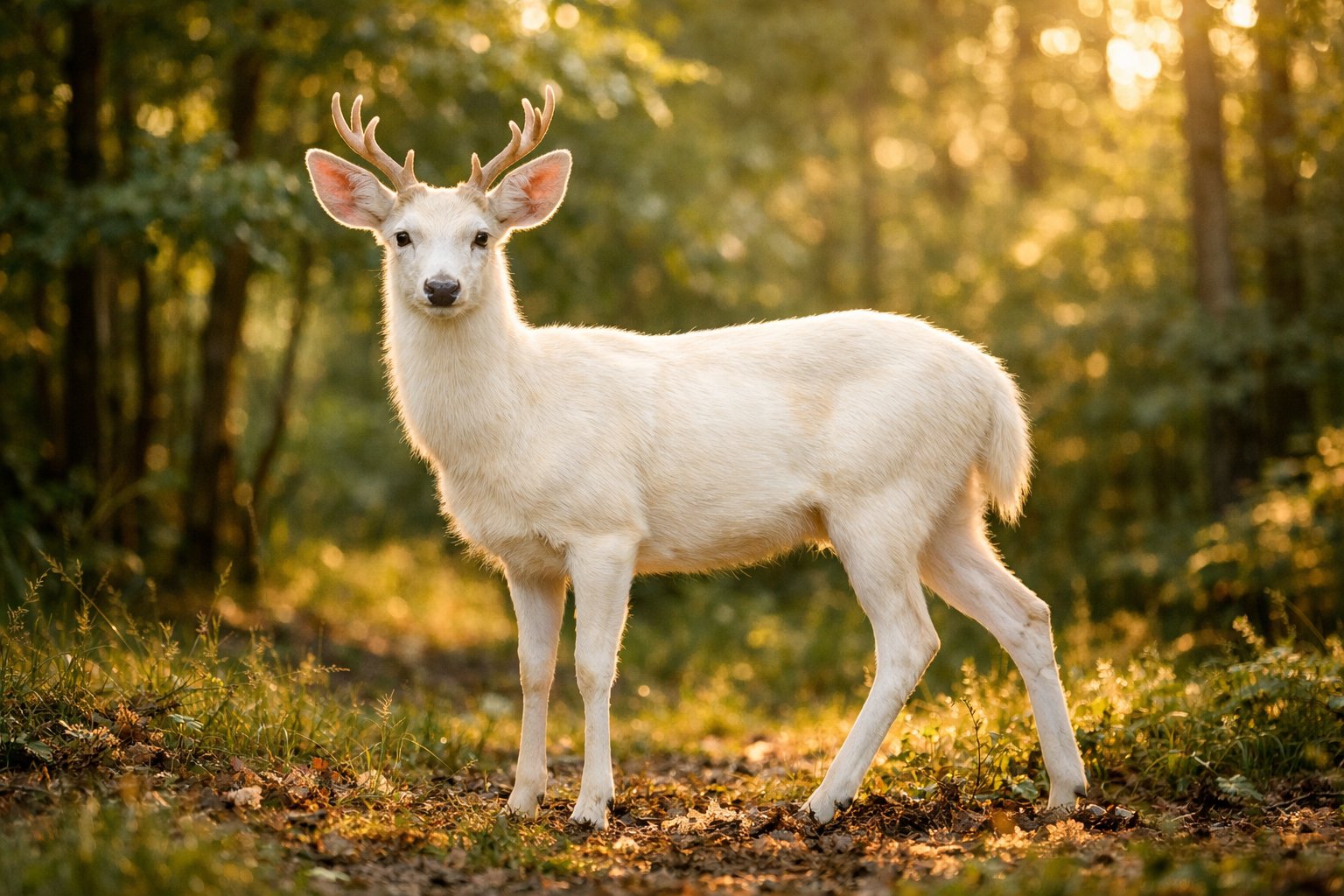
Let’s talk about why melanism is so rare, where these deer tend to show up, and why they’re so tricky to find.
You’ll get a look at the biology and geography behind their rarity, plus what your odds really are when you’re out in deer country.
What Makes Melanistic Deer the Rarest Color?

Melanistic deer look unusually dark because they have extra pigment.
This comes from rare genetic changes, not from anything harmful, and it’s totally different from albinism or piebaldism.
Defining Melanism in Deer
Melanism means the deer’s body produces more melanin than normal.
That’s what gives them that deep brown or almost black fur.
Most of the body ends up dark, but the under-tail area might stay a bit lighter.
Some folks call them black deer.
You’ll mostly hear about them in white-tailed deer populations in Texas, though the mutation can pop up anywhere.
Melanism doesn’t change their eye color like albinism does—their eyes look normal.
Remember, melanism is just extra pigment, not a disease.
Melanistic deer act just like any other deer.
Hunters and biologists get pretty excited when they spot one, since it’s so rare.
How Melanistic Deer Differ From Albino and Piebald Deer
Albino deer don’t have melanin, so they look very pale and have pink eyes and noses.
Piebald deer show patches of white mixed with their normal color.
Melanistic deer are the opposite: they have too much dark pigment, so most or all of their coat is dark.
Albino and piebald deer stand out because of their lack of pigment or patchy fur, while melanistic deer stand out for being almost entirely dark.
Albino deer usually have more health and visibility problems.
Melanistic deer don’t seem to face those same issues.
Genetically, albinism and piebald traits come from different mutations than melanism.
You might find all three types in the same area, but melanism is much less common than piebaldism in most places.
Genetic Mutations and How Melanistic Deer Occur
Melanism happens because of mutations that increase melanin production.
Researchers have linked these changes to genes like the melanocortin 1 receptor (MC1R).
A mutation in MC1R or similar genes can make a deer’s hair much darker.
Usually, the trait acts like a recessive gene—so both parents have to carry it for a fawn to show melanism.
That’s one reason melanistic deer are so rare in most populations.
Sometimes, if a small group of carriers breeds together for generations, you’ll see more melanistic deer in that area.
Melanism isn’t a separate species trait—it’s just a genetic anomaly.
It can show up in different deer species, but you’ll hear about it most often in white-tailed deer.
When you find a region with a lot of melanistic deer, genetics, habitat, and plain luck all factor in.
If you want more details and a map of where melanistic whitetails have been found, check out this summary and the Texas hotspot: (https://deerassociation.com/melanistic-whitetails-heres-know/).
Where and Why Are Melanistic Deer So Rare?

Melanistic deer only show up in a handful of places, and it all comes down to rare genetics.
Let’s look at where these deer turn up, how their dark coats help or hurt, and a few famous sightings.
Geographic Hotspots and Deer Sightings
Central Texas reports more melanistic deer than anywhere else in the U.S.
Comal County and the Edwards Plateau have several confirmed sightings, with photos to prove it.
These hotspots probably exist because small, stable herds keep passing down the recessive genes.
Outside Texas, you’ll hear about melanistic deer in Pennsylvania, New York, and Virginia, but those sightings are scattered and still pretty rare.
If you want to look for one, you should focus on dense woods, river valleys, and ranches with long-standing deer populations.
Most real sightings come from citizen reports, trail cameras, or local naturalists who know the area well.
Camouflage and Survival Advantages
A dark coat can help a deer blend in better in shady forests or at night.
In the thick brush and cedar brakes of Central Texas, a melanistic deer might hide better than a white or piebald one.
But it’s not always an advantage.
In open fields or snowy winters, a black coat can make a deer stand out and even cause heat stress in hot weather.
Both parents need to carry the gene variant for a fawn to be melanistic.
That genetic hurdle, plus mixed survival benefits, keeps melanistic deer numbers way lower than piebald or normal whitetails.
Famous Melanistic Deer and Unusual Sightings
Maybe you’ve seen those photos of a melanistic buck from Texas—hunters and naturalists still pass them around online.
Whenever someone reports a “black fawn” or a melanistic whitetail in the Hill Country, wildlife watchers and photographers get pretty excited.
People sometimes compare these sightings to “black panthers” or melanistic leopards, but honestly, the genetics and ecology aren’t even close.
You might also hear about dark-morph fallow deer or other species, though it’s easy to mix up melanism, leucism, and albinism when reading about “white deer” or piebald deer.
If you ever spot one, just keep your distance and let a local wildlife agency or deer association know.
That way, researchers can track where these deer show up and keep them safe from too much hunting or human interference.


