
Ever wonder if male deer go “in heat” like females? Well, they don’t, but bucks absolutely experience powerful hormonal swings that drive their mating behavior.
As testosterone ramps up during the rut, male deer become almost obsessed with finding and competing for does.
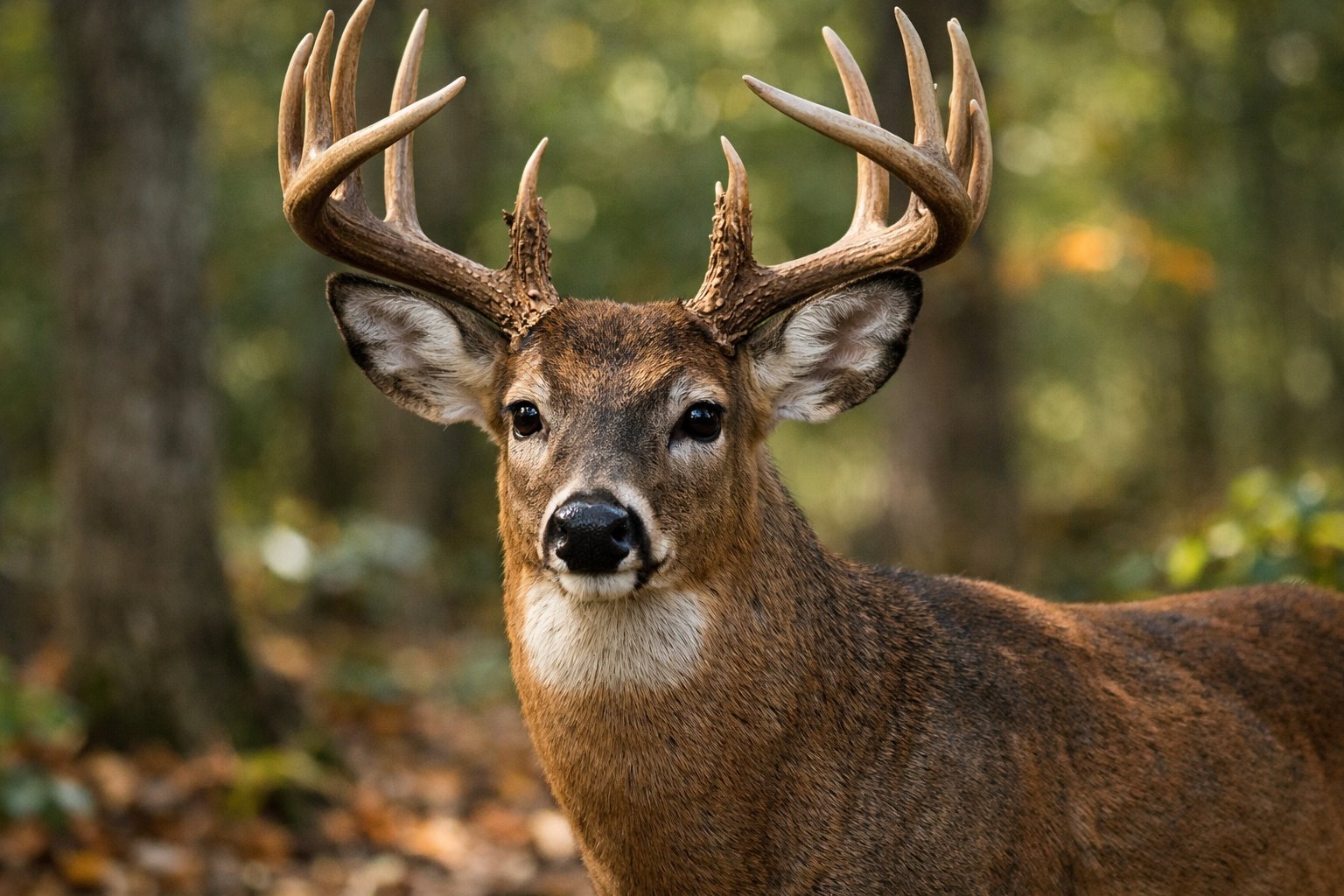
That explains why, in fall and early winter, you’ll catch bucks acting aggressive, rubbing trees, and even fighting other males. Understanding this can make those strange behaviors you see in the woods make a lot more sense.
Do Male Deer Go Into Heat?
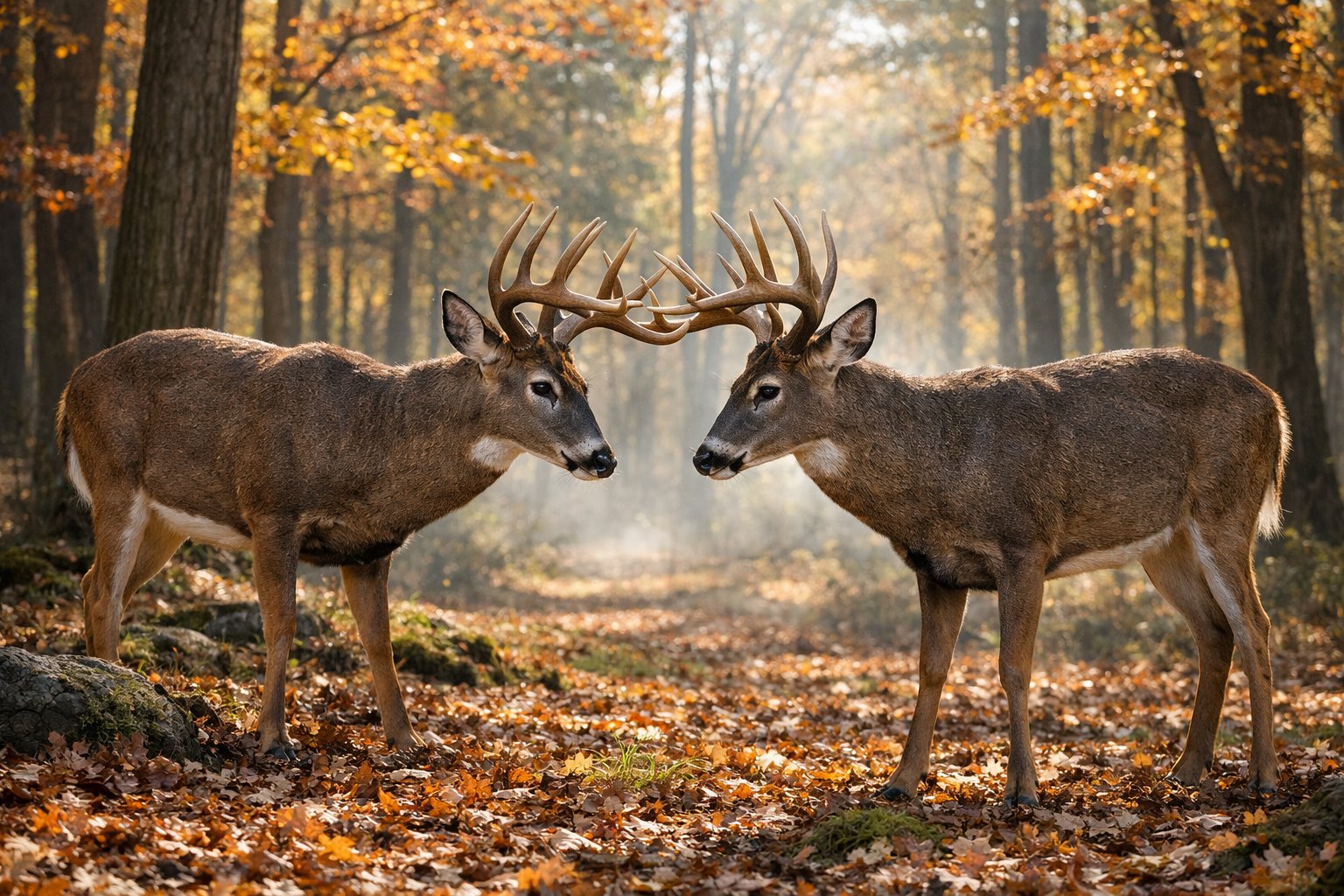
Male deer just don’t “go into heat” the way females do. Instead, they enter the rut—a wild period of intense sexual drive and major behavior shifts, all fueled by hormones and the presence of does ready to mate.
Differences Between Rut and Estrus
Rut describes how male deer behave during mating season, not a heat cycle. Estrus, or “heat,” is the short window when a doe is fertile and open to mating.
Bucks react to does in estrus, but they don’t cycle themselves like females.
Here’s what matters:
- A doe’s estrus lasts about 24 hours and can repeat every ~28 days if she isn’t bred.
- Bucks get amped up for weeks, searching, chasing, and fighting instead of waiting for a single fertile window.
- Rut timing shifts by region—up north, it peaks around October or November, but farther south it might be later.
You can spot the difference by watching: a doe in estrus will stand for a buck, while a buck in rut gets restless, patrols his territory, rubs trees, and fights—even if no doe is around.
Behavioral Changes in Bucks During Rut
When rut arrives, bucks lose some of their caution around people and roads. They start covering way more ground, following doe scent trails, and sometimes hanging with temporary harems.
You’ll probably notice:
- Rubs and scrapes: bucks strip bark from trees with their antlers and scrape up the ground to mark territory.
- Fights: bucks clash antlers, trying to win access to does.
- Chasing and courtship: bucks can chase does for hours and may stick with one for days after mating.
- Less eating: some bucks skip meals, burning energy on mating and fighting instead.
All of this helps bucks find and claim mates. It also means you’ll see more deer near roads or at odd hours, which isn’t great for drivers or for the deer.
Role of Testosterone and Antler Growth
Testosterone surges right before and during the rut, and that’s what powers all these wild behaviors. The hormone peaks when bucks act the most aggressive and determined to mate.
Testosterone does a few things:
- It hardens antlers: as testosterone rises, bucks shed velvet and their antlers toughen up for fighting.
- It builds muscle: bucks bulk up their necks and shoulders, getting ready for combat.
- It cranks up libido: testosterone fuels their drive to seek out does.
Antler growth runs on a yearly cycle. Bucks grow velvet-covered antlers in spring and summer, then testosterone causes velvet to fall off and the antlers to harden by early fall. After the rut, testosterone drops, and bucks shed their antlers in winter—then the whole thing starts over.
Breeding Season and the Role of Bucks

Bucks really drive the action during mating season. You’ll notice changes in movement, more aggression, and all kinds of hormone-fueled antics that impact hunting, wildlife watching, and even herd structure.
Timing and Triggers of the Rut
Most temperate deer are short-day breeders. As the days get shorter in autumn, the pineal gland in deer cranks up melatonin.
That change messes with the hypothalamic–pituitary axis and boosts LHRH (GnRH) pulses, which then spike LH and FSH. Those hormones kickstart sperm production and ramp up mating behavior in bucks.
Timing isn’t set in stone—it depends on species and where they live. For example, whitetails in North America tend to peak in November, but southern populations might rut earlier or over a longer stretch.
Younger or weaker bucks sometimes rut after the dominant ones. Weather, deer numbers, and local genetics can nudge the calendar forward or back a bit.
Bucks’ Activities and Competition
When rut hits, bucks stop focusing on food and start searching for does. You’ll see them moving more, leaving fresh rubs and scrapes, and getting vocal.
Bucks use scent and body language to show dominance. Fights break out when two bucks meet—antler size, age, and strength usually decide who wins.
Dominant bucks mate more, but smaller ones might sneak in a chance. This competition shapes fawn genetics and the local herd.
Hunters often find the busiest buck activity lines up with peak firearm season.
Species Variations in Rut Behavior
Different deer species have their own rut habits. White-tailed deer (Odocoileus virginianus) usually have a short, sharp rut and are seasonally polyestrous, so does cycle every ~28 days until they’re bred.
Mule deer rut earlier and sometimes wander longer in search of mates. Red, roe, fallow, and reindeer each follow unique timing and social setups—red deer, for example, form harems, while roe deer mostly keep to themselves.
Latitude makes a difference. In the north, ruts are shorter and more synchronized. Down south, breeding spreads out longer.
If you want to know exactly when rut hits in your area, check local wildlife reports instead of guessing—there’s no universal calendar.
Influence of Photoperiod and Melatonin
Photoperiod really drives seasonal breeding more than anything else. When days get shorter, the pineal gland pumps out more melatonin.
That extra melatonin tells the brain to shift up the reproductive hormones. The brain ramps up LHRH (GnRH), which then gets the pituitary to release more LH and FSH in both bucks and does.
If you mess with melatonin exposure, you can actually shift when breeding happens. Out in the wild, the natural photoperiod keeps deer on the same schedule, so most fawns show up in spring when there’s plenty to eat.
For managers and hunters, knowing how photoperiod works can make predicting the rut and deer movement a lot easier. Curious about more seasonal factors? There’s some solid research out there on deer seasonality and reproductive timing.


