
Let’s get right to it: most deer stay pregnant for about 200 days—so, roughly 6.5 to 7 months. That means fawns usually show up in late spring or early summer, right when food and cover are at their best.

Curious why gestation hovers around 200 days for white-tailed and mule deer? Bigger species like elk and moose actually take a bit longer. I’ll break that down, along with what really affects pregnancy length and which factors matter most for fawn survival.
Deer Gestation Period and Pregnancy Basics
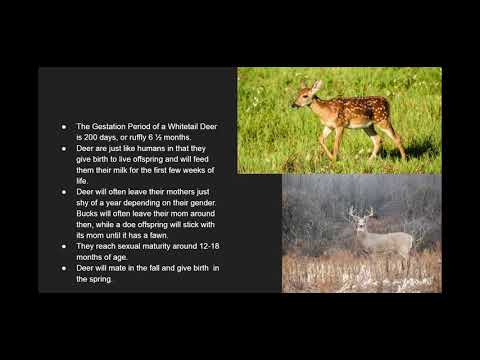
Pregnancy length and signs change depending on the species. Timing connects to fall breeding so that fawns arrive in spring, just when food is plentiful.
You’ll find typical day ranges for common species here. I’ll also touch on when breeding and births usually happen, plus how you can spot a pregnant doe.
Gestation Length by Species
Different deer species have their own pregnancy timelines. White-tailed deer usually carry fawns for about 200–210 days.
Mule deer stick close to 200 days, sometimes a little longer. Elk carry calves for around 240–265 days, and moose for about 230–250 days.
The doe’s age, nutrition, and local climate all play a role in changing that length. Poor nutrition can slow things down a bit.
Most species have one or two fawns. Healthy, well-fed white-tailed does often have twins.
Here’s a quick cheat sheet:
- White-tailed deer: ~200–210 days
- Mule deer: ~200 days (variable)
- Elk: ~240–265 days
- Moose: ~230–250 days
Timing of Breeding and Birth
Deer usually breed in the fall, during the rut. For white-tails, the rut peaks from October to December, depending on where you are.
When deer conceive in fall, fawns are born in late spring or early summer. That’s when green plants pop up and the weather turns milder—good news for survival.
Gestation carries the embryo through winter, ending when food is everywhere. In warmer areas, the timing might shift, but spring is still the target.
If you’re tracking does, expect most births about 200–210 days after mating for whitetails. That’s when you’ll want to plan any monitoring or management.
Physical and Behavioral Signs of Pregnancy
You can spot a pregnant doe by her body and behavior. In the last third of pregnancy, her belly swells up quite a bit.
Her teats may get bigger, and the hair around her udder can thin out as birth gets closer. Sometimes, you’ll notice she moves more slowly and carefully.
She’ll often separate from the herd right before giving birth and look for thick cover. Pregnant does may feed less at dawn and dusk and spend more time bedded.
Males leave after the rut, so you’ll only see these signs in does.
Factors Affecting Deer Pregnancy and Fawn Survival

Nutrition, disease, weather, and birth timing all shape how well fawns survive. Human choices—hunting seasons, habitat changes, even how you care for a pet deer—can also make a difference for does and their young.
Health, Nutrition, and Environmental Influences
Does in good shape have more successful pregnancies and healthier fawns. If a doe eats plenty of high-protein plants in spring and summer, her fetus grows on schedule and births happen around that usual 200-day mark.
Malnourished does might have smaller or weaker fawns that don’t make it. Disease and parasites can lower pregnancy rates, too.
Chronic wasting disease, heavy ticks, and internal parasites sap weight and sometimes cause fetal loss. Tough weather after birth—late cold snaps or heavy rain—raises the risk for newborns, since they need dry cover and milk.
Human activity matters a lot. Turning fields into crops, cutting down fencerows, or poor land management all shrink hiding cover and food. You can help by keeping native plants, leaving spring cover, and timing work outside fawn season.
Fawn Development and Maternal Care
Fawns grow fast but really need quiet, cover, and good milk. After giving birth, does hide their fawns in tall grass or brush for the first 2–3 weeks and feed nearby.
White-tailed deer often have twins, while mule deer and older or underfed does usually have one.
Newborns stand and nurse within about an hour. The doe’s nutrition in late pregnancy makes a big difference for her milk.
If you stumble upon a fawn alone, don’t panic—it’s usually not abandoned. The mother comes back at dawn and dusk to keep predators away.
Fawns born late in the year face bigger risks. Late breeding means fawns might arrive near hunting season or just before winter, which gives them less time to build up fat and survive the cold.
Deer Habitat and Population Management
Good habitat boosts fawn survival and helps deer populations thrive. Dense cover, a mix of browse, and water nearby give does places to hide and recover after birth.
If you’re managing land, keep some brushy spots and mixed vegetation for fawn hiding places in spring.
Wildlife managers use hunting seasons and bag limits to keep populations balanced. Well-timed hunting lowers adult deer numbers, which can cut down on fawn losses from disease and starvation when food is tight.
They also watch fawn-to-doe ratios and adjust seasons based on what they see locally.
When deer numbers get too high, you’ll notice more skinny does and higher fawn mortality. Taking action—like regulated hunting, improving habitat, or, in rare cases, targeted contraception—helps keep deer populations healthy and within what the land can handle.
Unique Considerations for Pet Deer
Caring for a pregnant pet deer isn’t as simple as it sounds. You really have to pay close attention to her diet, space, and local laws.
Make sure she gets good forage and mineral supplements. Give her a calm, sheltered spot for fawning—trust me, sudden changes or rough handling can lead to problems like miscarriage or weak fawns.
Deer, even as pets, still act pretty wild sometimes. The doe might hide her fawns or just avoid you for a while.
Try not to handle newborns much, and definitely don’t separate the mother right after birth. Get a vet involved for vaccines if needed, and check for parasites since those can mess up a pregnancy.
Always check your local laws. Some places don’t even allow pet deer, and there are a lot of rules about transporting or treating them.
If you’re set on keeping a pregnant pet deer, make sure you get the right permits. Following wildlife health guidelines helps keep both the mom and her fawns safe.


