
You’ve probably come across some odd stories about half-human, half-deer creatures. Most folks call a deer person a “deer man” or “deer woman.” These names pop up in folklore and cryptid tales when people talk about humanlike figures with deer features.
Different cultures use these names in their own ways, and the details shift a lot—from antlered hybrids to shape-shifters. It’s fascinating how names change depending on where you are, and what those names reveal about the stories themselves.
If you’re curious, let’s dig into the specific names, types, and old myths that shaped these mysterious beings.
Names and Types of Deer People
You’ll run into a bunch of names for deer-like humanoids, tied to old legends, modern stories, and cryptid reports. Some names focus on looks—like antlers—while others lean on behavior or cultural roots.
Cervitaur and Deer-Human Hybrids
A cervitaur usually has a human upper body and deer legs, sometimes with antlers. Imagine a centaur, but swap the horse parts for deer ones. In stories, cervitaurs show up as guardians of the forest, tricksters, or just wild, neutral beings.
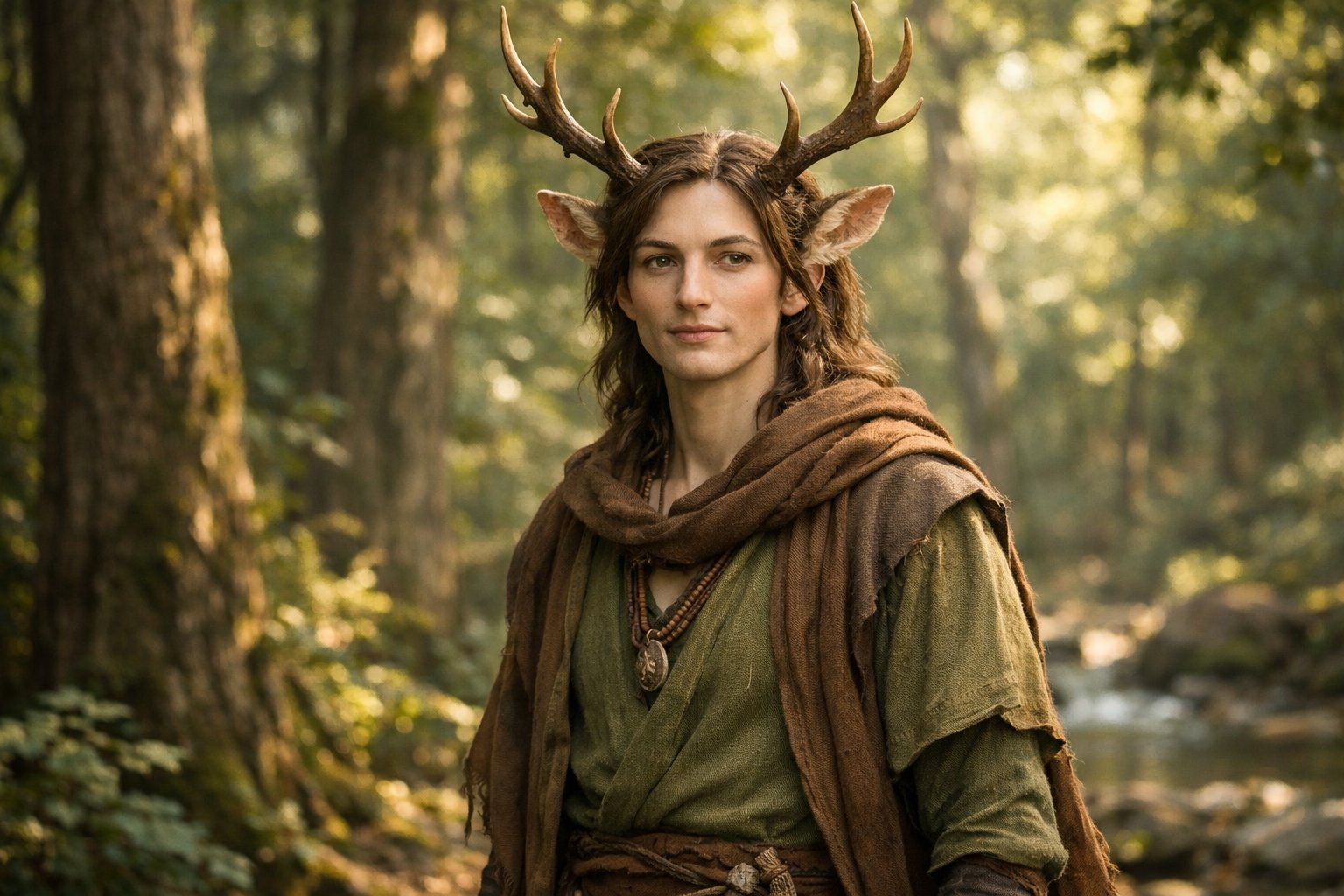
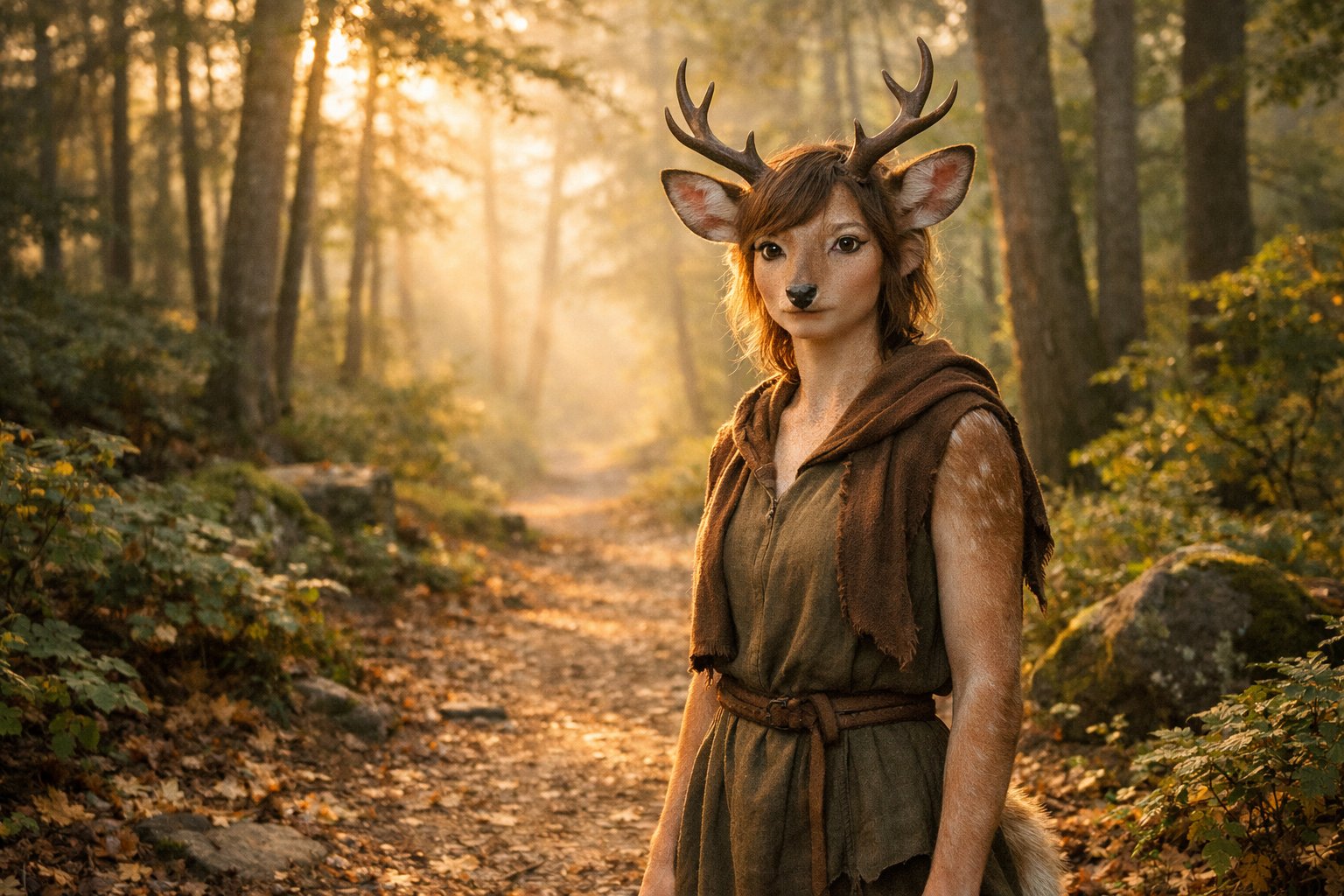
Descriptions of deer-human hybrids can get pretty creative. Sometimes they’re mostly human with little antlers, sometimes they’ve got full deer heads on human bodies. Artists and writers love to mix things up—hooved feet, patches of fur, long faces—all to show their mixed-up nature.
You’ll spot these characters in fantasy art, role-playing games, and even modern folklore. The term “cervitaur” lets you picture a hybrid right away, instead of a shapeshifter who swaps forms.
Elaphanthrope, Deer Man, and Related Terms
Elaphanthrope literally means “deer-human.” People use it when they want a more formal or academic label. “Deer man” or “deer person” is simpler and pops up in news stories or cryptid reports.
Descriptions of the deer man usually highlight an antlered head on a human torso. Witnesses can’t seem to agree—some say he’s tall and skinny with glowing eyes, others focus on quick, deer-like moves. Cryptid hunters like to call these sightings “deer man” or “antlered humanoid,” especially when someone spots them in the woods or by the roadside.
You might hear “weredeer” too, borrowing the “were-” from werewolf to suggest transformation. These labels help you figure out if the story’s about a shape-changer, a hybrid, or just a weird sighting.
Deer Woman, Deer Women, and Cultural Variations
Deer women come from Native American and other Indigenous traditions. In Cherokee and Lakota stories, a Deer Woman can look like a beautiful woman or a deer with human touches. Sometimes she helps women who want children, other times she lures unfaithful men into trouble.
Cultural details really shape her role. Some stories call her a seductress who punishes bad behavior, while others see her as a fertility spirit or forest protector. Traits like hooved feet or deer calls change from tribe to tribe.
Modern media loves to mix old beliefs with new spins. Horror stories and urban legends blend tradition with cryptid-style sightings. If you want to dig deeper into these variations, check out Deer People in North American traditions.
Folklore and Mythology of Deer People

Deer people show up as tricksters, helpers, or even dangers in a lot of stories. They blend human and deer traits, hang out in forests or marshes, and sometimes test or help humans depending on how people behave.
Native American Legends: Cherokee, Choctaw, and Plains
The Choctaw talk about the kashehotapolo, a deer man who lives in marshes and swampy woods. He dashes past hunters, screeching and scaring them. Some say he looks like a stag, others see an antlered man or a human with deer legs. He tends to play tricks rather than hurt anyone.
Cherokee folklore introduces the deer woman, a shapeshifter who can look human but keeps deer features like hooves. She might help women, especially with childbirth, but she often punishes unfaithful or reckless men. Plains tribes have similar beings—Anukite or Sinté Sapela Win—names that mean “double face” or “black-tailed woman.” Plains stories usually make her more dangerous and less forgiving.
Regional differences really stand out. The Choctaw figure leans toward mischief and wetlands, while the Cherokee and Plains versions tie morality to danger or reward. In these cultures, deer people test character.
Transformation and Shapeshifting Stories
Plenty of tales feature people turning into deer or mixing forms. Humans might become deer through curses, spells, or disguises. Fairy tales sometimes have princes and princesses growing antlers or hooves until someone breaks the spell.
Shapeshifting stories usually leave clues: a person might keep small deer features, like hooves or weird eyes, after transforming. That detail tips you off about who’s who. Some stories say the creature shifts forms so fast, people only catch a blur. Myths explain it by saying the being runs so quickly, you just can’t see it clearly. These stories lean into mystery, danger, and the blurry line between people and the wild.
Symbolism and Characteristics
When you think about deer people, it’s hard not to see them as symbols of grace, fertility, and maybe even temptation. The doe or white-tailed deer usually stands for gentleness.
Antlers or a black-tailed woman? Those tend to hint at power and something a bit otherworldly. In stories, deer move fast, stay quiet, and just show up out of nowhere—they act as messengers between worlds.
You’ll notice some traits keep popping up across different cultures: partly human faces, hooved feet, antlers, and that weird mix of being able to help or hurt. A lot of tales cast them as moral gatekeepers.
They’ll reward kindness, but they don’t hesitate to punish cruelty or infidelity. In a few stories, deer people tie into creation myths or look after the land itself.
That really shows how people connected deer to survival and spiritual life. If you’re curious and want to dig deeper, check out these accounts of deer people in Native American folklore.


