
You might expect to see big predators hunting deer in England, but honestly, you won’t. Adult deer in the UK don’t have any natural large predators, since people wiped out wolves, bears, and lynx ages ago.
That’s a huge reason why deer numbers have shot up. People now step in to manage those populations, using culls and other methods.
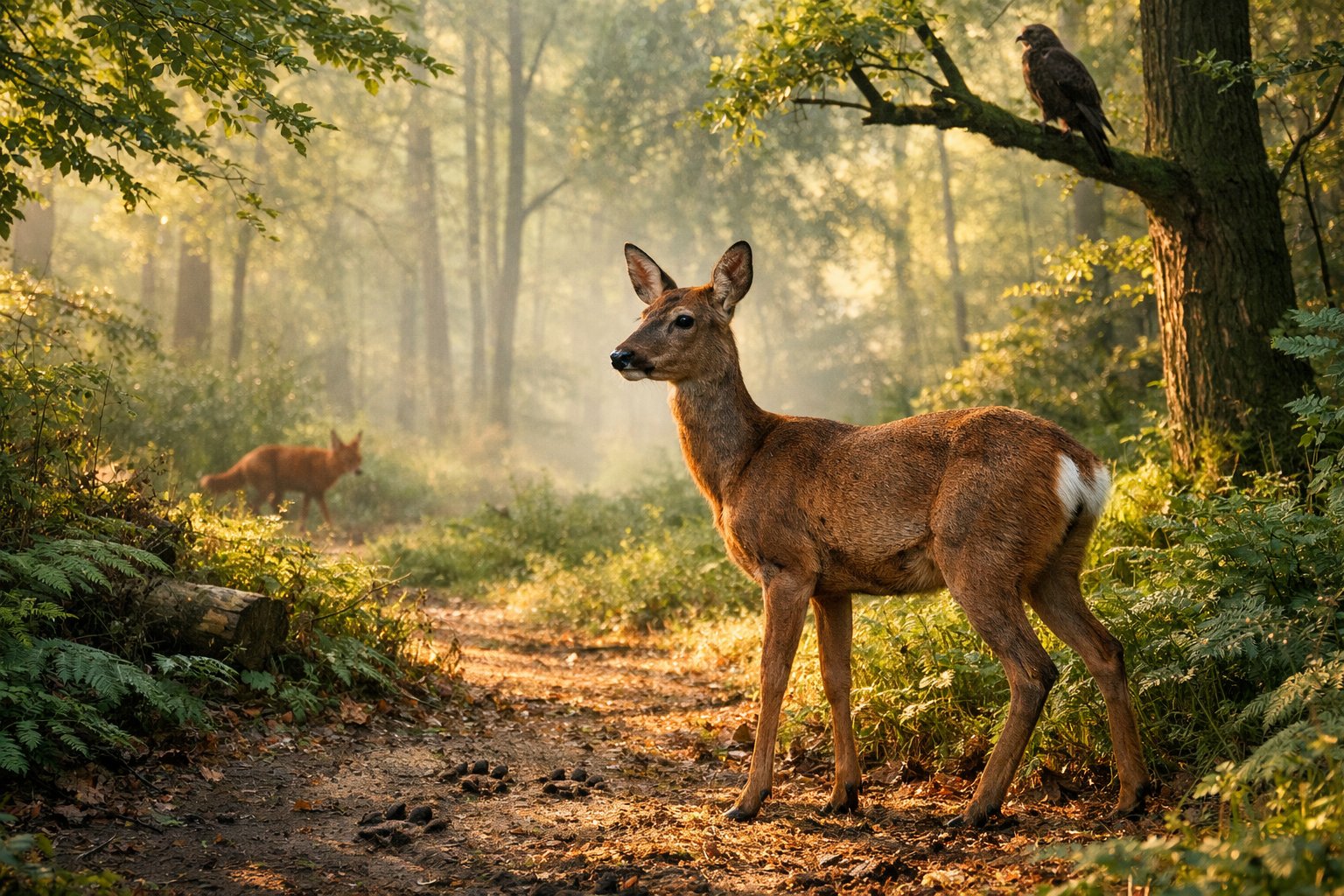
Let’s look at how predators once shaped the woods, and how losing them changed deer behavior and numbers. What’s the effect on habitats across England? If you’re curious about why deer roam so freely now, and what that means for trees, farms, and wildlife, stick around.
Natural Predators of Deer in the UK: Past and Present

Deer used to deal with big carnivores that kept their numbers down. Today, almost all those predators have vanished, and people handle deer management instead.
Historic Predators and Their Extinction
Wolves and lynx acted as the main large predators. Wolves chased red deer (Cervus elaphus) on moors and in the Highlands. Lynx hunted roe deer (Capreolus capreolus) in woods and scrubby places.
Bears once lived in parts of Britain and Ireland, too, sometimes taking calves or weak adults.
People hunted, cleared forests, and persecuted these predators until they disappeared locally. By the late medieval period, wolves had mostly vanished. Lynx and bears went extinct a bit later.
Without these natural checks, stags, does, and fawns multiplied. Red, roe, fallow, and introduced muntjac deer spread into places like Exmoor, North West England, East Anglia, and lowland farmland.
Current Predators and Scavengers
No big predator regularly hunts adult deer in Britain now. Foxes sometimes take fawns or sick animals. Birds of prey like buzzards, and the odd eagle, might scavenge or rarely kill very young fawns.
Smaller predators mostly affect young deer. Foxes go after fawns near woods and fields. Buzzards and crows sometimes grab vulnerable young. Most of the time, injured or old deer die from illness, car accidents, or harsh winters, not wild predators.
Introduced species like muntjac and Chinese water deer keep spreading, since nothing really keeps them in check.
Why Deer Now Have No Natural Predators
People shaped the landscape over centuries with farms and settlements. That destroyed the habitats big carnivores need and made hunting predators common.
Bringing back lynx or wolves sparks debate, mostly over livestock and safety worries.
Because of all this, deer populations grew. Red deer fill the Highlands and moors. Roe deer stick to woods and edges. Sika, fallow, muntjac, and water deer moved into farmland and scrub.
Now, people and organizations handle management instead of wild carnivores. Forestry and conservation groups cull or control deer to protect young trees, wildlife, and crops.
If you’re interested in how forests get managed and why people now fill the predator role, check out Forestry England’s info on managing deer in the nation’s forests (https://www.forestryengland.uk/article/managing-deer-the-nations-forests).
Impact of No Natural Predation on UK Deer Populations and Ecosystems
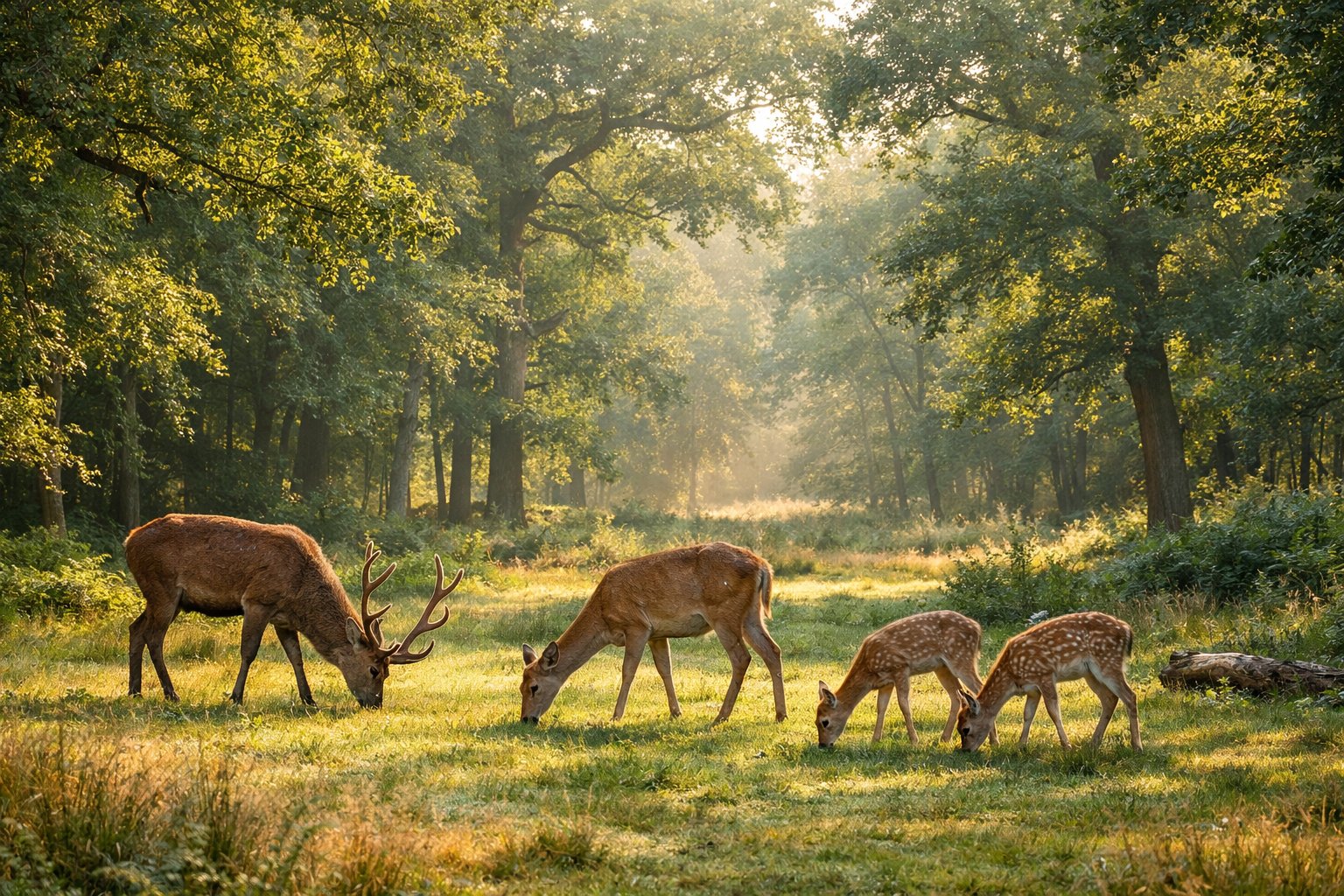
With wolves, lynx, and bears long gone, deer numbers can rise quickly and reshape how plants and trees recover. You’ll see more deer around, heavier browsing of young trees and shrubs, and more work for people trying to protect woods, farms, and roads.
Rising Deer Density and Overpopulation
Deer numbers have climbed across much of Britain. Mixed woodland and arable fields give them food all year. Mild winters help them breed and survive, so populations can grow fast.
In some areas, deer become so dense that tree seedlings just can’t get started.
When too many deer eat the same plants, the ground layer thins out. They chomp leaves, herbs, and brambles, leaving less cover for birds and small mammals. More deer also wander onto roads, which means more collisions.
Consequences for Woodlands and Farmland
Heavy browsing stops young trees from establishing. You might plant oaks or ash, but unless you use tree guards, deer will keep nibbling them. Woodland regeneration can stall, and the mix of tree species changes over time.
That hurts animals that need thick undergrowth or a range of tree ages.
On farmland, deer eat crops and winter cereals. That can lower yields and force farmers to invest in fencing or guards.
Heavy browsing also leads to less plant variety, which isn’t great for pollinators. Forestry England and conservation groups keep these issues in mind when planning land management.
How People Manage Deer Numbers
People use a bunch of hands-on ways to manage deer and cut down on conflicts with humans. Trained teams often cull deer, and that wild venison ends up in local markets.
When more folks want wild venison, it actually helps pay for ongoing management. There are also non-lethal options—think tree guards, exclusion fencing, or tweaking the habitat so deer can’t get to important new growth.
Landowners, wildlife trusts, and Forestry England usually set up organized plans. They decide where and when to manage deer populations.
They keep an eye on deer numbers and check out the vegetation to set goals. Mixing fencing, guards, and targeted culling protects woodlands and farmland.
This approach keeps deer healthier and lowers the risk of disease or starvation.


