
You might think deer curl up in the same spot every night, but that’s not usually the case. They move between a few favorite bedding areas inside their home range.
Deer don’t sleep in the exact same place each night, though they often come back to familiar zones with good cover, food nearby, and quick escape routes.
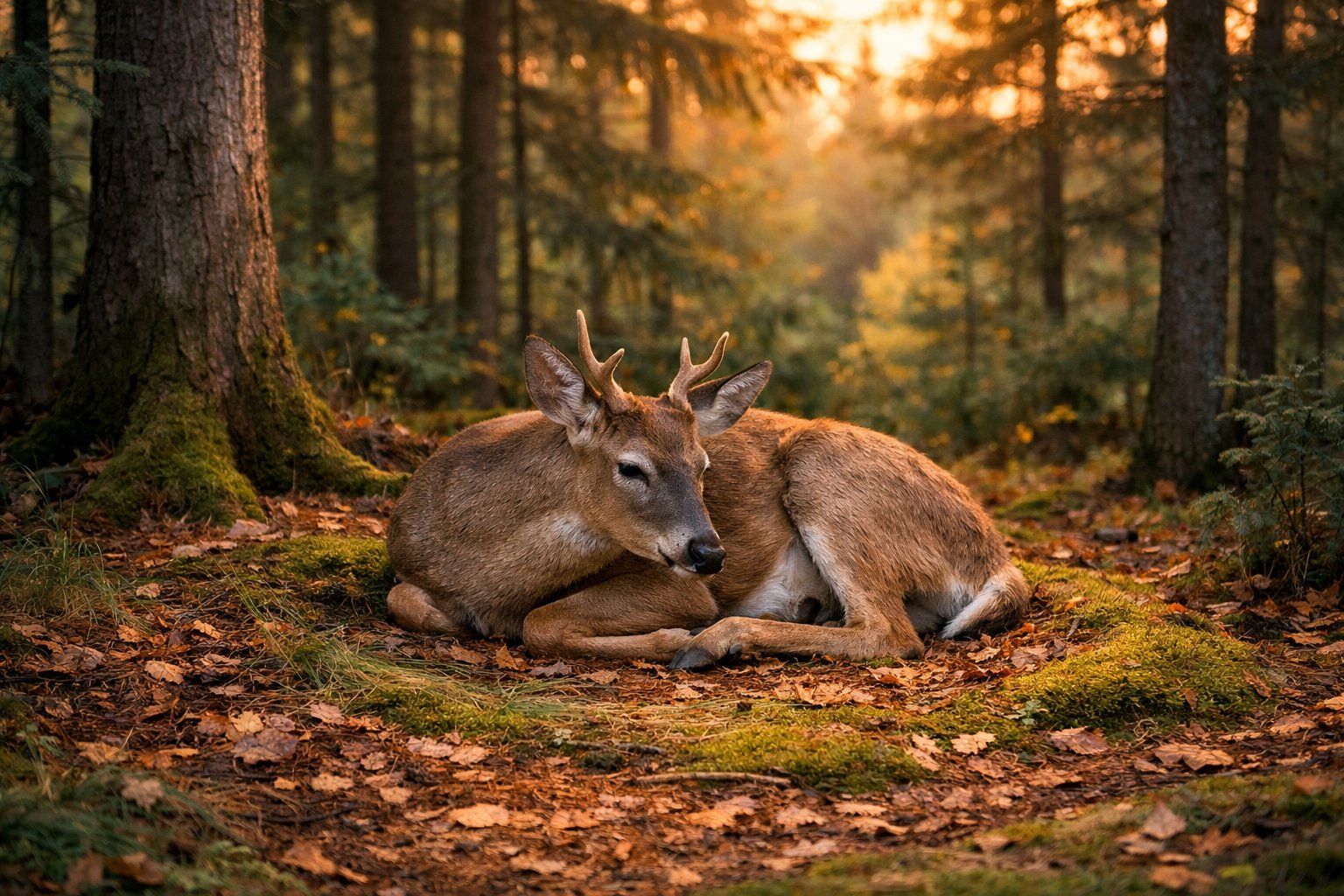
As you read on, you’ll see how season, weather, food, and people all play a role in where deer decide to bed down.
You’ll also get a sense of how bucks, does, and fawns each use different spots, and why finding bedding areas can totally change your strategy in the woods.
Do Deer Sleep in the Same Place Every Night?

Deer stick with a handful of preferred bedding areas, not the same exact spot every night.
They’ll head back to the same general patches of cover when those places offer safety, food, or shelter.
Understanding Deer Bedding Habits
Deer choose beds that give them a good mix of cover, visibility, and a quick way out if something spooks them.
You’ll spot them in tall grass, thick brush, cedar or pine stands, field edges, and low ridges, depending on what’s around.
Does with fawns usually pick thicker cover close to where they feed. Bucks like to bed alone, often on higher ground or edges where they can see and bolt if they need to.
Deer don’t really sleep for long stretches. They take short naps throughout the day and stay partly alert, moving their ears and sniffing for danger.
You can notice beds by looking for oval depressions, bent vegetation, tracks, and droppings nearby.
Bedding Site Rotation vs. Site Fidelity
Deer don’t sleep in the same little patch night after night. They rotate between beds inside their home range.
Rotating beds helps spread out their scent and keeps predators from figuring out their pattern.
If an area stays quiet and undisturbed, deer might use the same bed for several days or even weeks.
But if hunters, people, or predators come around, deer start switching up their beds more often.
During fawning or rough weather, deer sometimes stick to one safe, sheltered spot because it’s just too risky to move.
Factors Influencing Sleep Locations
Food matters a lot. Deer bed closer to feeding areas when food is easy to find.
In winter, they look for south-facing slopes, evergreens, or leeward hollows to stay warm and out of the wind.
Predators make deer picky about where and how they bed. They often face into the wind to catch scents.
Moonlight, temperature, and season all play a part—bright nights or lots of predator activity push them deeper into cover.
If people are around, with roads or noise, deer pick thicker, more out-of-the-way spots.
Want more tips on where to look? Check out this practical overview of where deer sleep: Where Do Deer Sleep? Hidden Bedding Spots, Daily Patterns & Survival Behaviors Explained.
Where, How, and With Whom Do Deer Sleep?

Deer want beds with cover, good visibility, and a quick escape route. They change spots with the season, stay partly alert, and move bedding areas if people or predators get too close.
Where Do Deer Sleep at Night?
Deer bed down where they can spot or smell danger but still stay hidden.
You’ll find them on forest edges, ridge tops, brush lines, and field margins near thick cover.
In wetlands or swamps, they use islands or cattail patches where few predators can reach them.
When it gets cold, deer look for south-facing slopes, cedar or pine thickets, and leeward hollows to cut the wind and save energy.
Near farms, they use corn or soybean field edges, hiding out in fencerows or unharvested strips.
If you see deer in your yard, they’re probably tucked into dense shrubs, hedges, or drainage ditches where they can hide and slip away fast.
How Do Deer Sleep and For How Long?
Deer don’t really sleep deeply for hours at a time. They take lots of short naps, just a few minutes each, and might rack up 2–3 hours of real sleep total.
Most of the time, they’re just lying down and resting lightly for another 6–10 hours.
Even while resting, they keep their ears moving and heads up to watch for trouble.
They only get deep sleep in really safe beds, sometimes tucking their heads or laying them on their flanks.
REM cycles do happen, but they’re short—so if deer dream, it’s probably quick flashes.
Wind direction matters too—deer usually face into the wind so they can smell what’s coming while they rest.
Social Dynamics and Group Bedding
Deer often bed down in small groups, keeping an eye out for danger together and watching over fawns. When fawns are really young, their mothers hide them in tall grass or thick brush, slipping away and returning just to nurse.
The fawns end up sleeping by themselves, blending in with their surroundings until they’re old enough to keep up. Bucks tend to pick more isolated or higher spots to bed, and they usually do this alone, especially when it’s not fawning season.
During hunting season or when things get noisy, deer don’t stick to one place. They scatter and switch bedding spots often, probably to keep from becoming too predictable.
If you’re into wildlife or own land, it’s worth paying attention to these habits. Knowing how deer choose their bedding areas can help you manage habitat, add cover, or just avoid disturbing them too much.


