
You’ve probably seen deer wandering through yards, along trails, or right at the woods’ edge and thought—what are they looking for? Deer mostly eat plants: leaves, shoots, fruits, nuts, and, now and then, farm crops. Their diet shifts with the seasons as they adapt to what’s available.

Their natural preferences—like those tender spring shoots or a pile of autumn acorns—really shape where they choose to forage. Some plants just seem to pull them in.
A deer’s feeding habits and quirky digestive system also decide what they can safely eat. If you’re planning your garden, you might want to know what to avoid planting nearby.
What Do Deer Eat: Core Diet & Natural Preferences
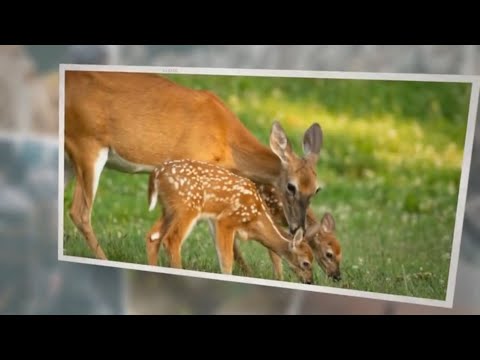
Deer look for plant parts that give them energy and nutrients. They pick leaves, twigs, flowers, seeds, and fruits, depending on the season and what’s growing nearby.
Browse: Favorite Woody Plants and Leaves
Browse covers leaves, twigs, and buds from trees and shrubs. You’ll spot deer munching on dogwood, maple, ash, willow, and young oak shoots.
They go for tender buds and new shoots in spring since those are packed with protein and are easy to digest. When winter hits and green plants disappear, deer rely on woody browse. You might catch them stripping bark or nibbling twigs just to get some calories.
Deer, as ruminants and concentrate selectors, pick the most nutritious plant parts they can reach. That’s why they usually prefer shrubs and low branches over tough, older wood.
Forbs and Herbaceous Favorites
Forbs are those non-woody flowering plants—think clover, chicory, goldenrod, and ragweed. White clover and alfalfa become especially attractive in spring and summer. They give protein to lactating does and growing fawns.
Brassicas and legumes in food plots also pull deer in, thanks to their high nutrient content. Young forbs and greens are gentle on a deer’s stomach.
Fawns start nibbling these plants just weeks after birth. If you plant clover or chicory in a food plot, you’ll probably see more deer hanging around, since these plants stay tasty for much of the warm season.
Grasses and Seasonal Grazing
Grasses aren’t a huge part of a deer’s diet, not compared to browse and forbs. Sometimes you’ll see deer grazing on bluegrass or oats, especially after rain when new shoots pop up.
Cereal grains like wheat and oats, plus young sorghum or pasture grass, get eaten when they’re around. Deer tend to eat grasses in open fields or disturbed spots, not so much in dense woods.
Grasses just don’t have as many nutrients as clover or young shoots. Deer use them as fillers, not their main meal. Corn and cereal grains get eaten, but too much can mess with their digestion.
Fruits, Nuts, and Mast Foods
Mast means the hard fruits and nuts: acorns, chestnuts, beechnuts, hickory nuts, and pecans. In fall, deer really zero in on white oak acorns. They digest those faster and get steady energy.
Soft mast—apples, pears, persimmons, blackberries, raspberries—gives them quick sugar and vitamins when it’s in season. Deer eat more mast in autumn to build up fat for winter.
You might spot them raiding pumpkins and other garden fruits near farms. If you manage mast-producing trees or plant fruit shrubs, you’ll probably notice more deer around and in better shape.
Understanding Deer Feeding Behavior & Digestive System

Deer eat all sorts of plants and change up their diet as the year goes on. Their gut and choices shape what grows in forests and fields.
How you manage your land or garden can make a difference, too.
How the Four-Chambered Stomach Works
Deer have a four-chambered stomach: rumen, reticulum, omasum, and abomasum. The rumen holds microbes that break down tough plant fibers, so deer can get energy from leaves, twigs, and bark.
The reticulum sorts out the coarse stuff. Deer spit up cud from the reticulum and chew it again, breaking fibers into smaller pieces.
This process helps microbes digest things better and lets deer absorb more nutrients. The omasum pulls out water, fatty acids, and minerals.
The abomasum, their “true stomach,” uses acid and enzymes to digest proteins and the microbes from the rumen. This whole system lets deer get nutrients from low-quality browse, especially in winter when green plants are hard to find.
Adaptations for Concentrate Selection
Deer act as concentrate selectors. You’ll see them pick out the best bits—buds, young leaves, fruits, and forbs—over bulk grass.
These parts have more protein and are easier for their rumen microbes to digest. Their teeth and jaw let them nip off shoots and browse on shrubs and young trees with surprising precision.
This pickiness changes forest growth, since heavy browsing can hold back certain saplings. Different deer species have their own twists: whitetails often go for hardwood browse and acorns, mule deer like sagebrush and shrubs, and red deer or elk might eat more rough forage out in the open.
What your local deer eat really depends on what’s growing nearby.
Seasonal Changes in Feeding
In spring and summer, deer chase after protein-rich forbs and new leaves. It helps with antler growth and lactation.
You’ll see more grazing and deer in open fields during these months. When fall comes, they switch gears and focus on energy-rich mast—acorns, nuts, and fruits—to build up fat for winter.
Winter is tough; deer lean hard on woody browse like twigs, buds, and bark. Their digestive microbes can’t adjust overnight, so sudden changes (like feeding them corn) can cause trouble.
Snow and habitat also decide what deer can actually reach. When natural forage gets buried, you might notice deer moving into orchards, hedgerows, or even farm fields.
Should You Feed Deer? Wildlife Management Tips
Feeding deer by hand or dumping big piles of food can actually harm local herds. When people feed deer, they make it easier for diseases to spread.
This kind of feeding also changes how deer move around and can throw population numbers out of balance. Most wildlife managers really don’t recommend open feeding for all these reasons.
If you want to help deer, try managing their habitat instead. Plant some native browse species or keep a mix of young and older trees in your woods.
Leaving mast trees like oaks gives deer natural food sources. Rather than feeding deer, you can protect your garden with fencing or repellents.
If you’re thinking about hunting or want to control the population, talk to your local wildlife agency. They’ll help you come up with a plan that’s legal and based on science.
If you still decide to supplement deer in winter (and it’s allowed where you live), do it slowly. Pick food that’s right for deer and skip the big piles of corn—those can mess up their digestion.


