
You’ve probably seen deer moving around at dawn or dusk, but have you ever wondered when they actually settle in for a rest? Deer usually bed down during the day, most often from mid-morning to mid-afternoon, right after their morning meal and before they get active again in the evening.
If you know this, you can plan your watching or hunting trips to avoid disturbing them. That’s pretty helpful, right?
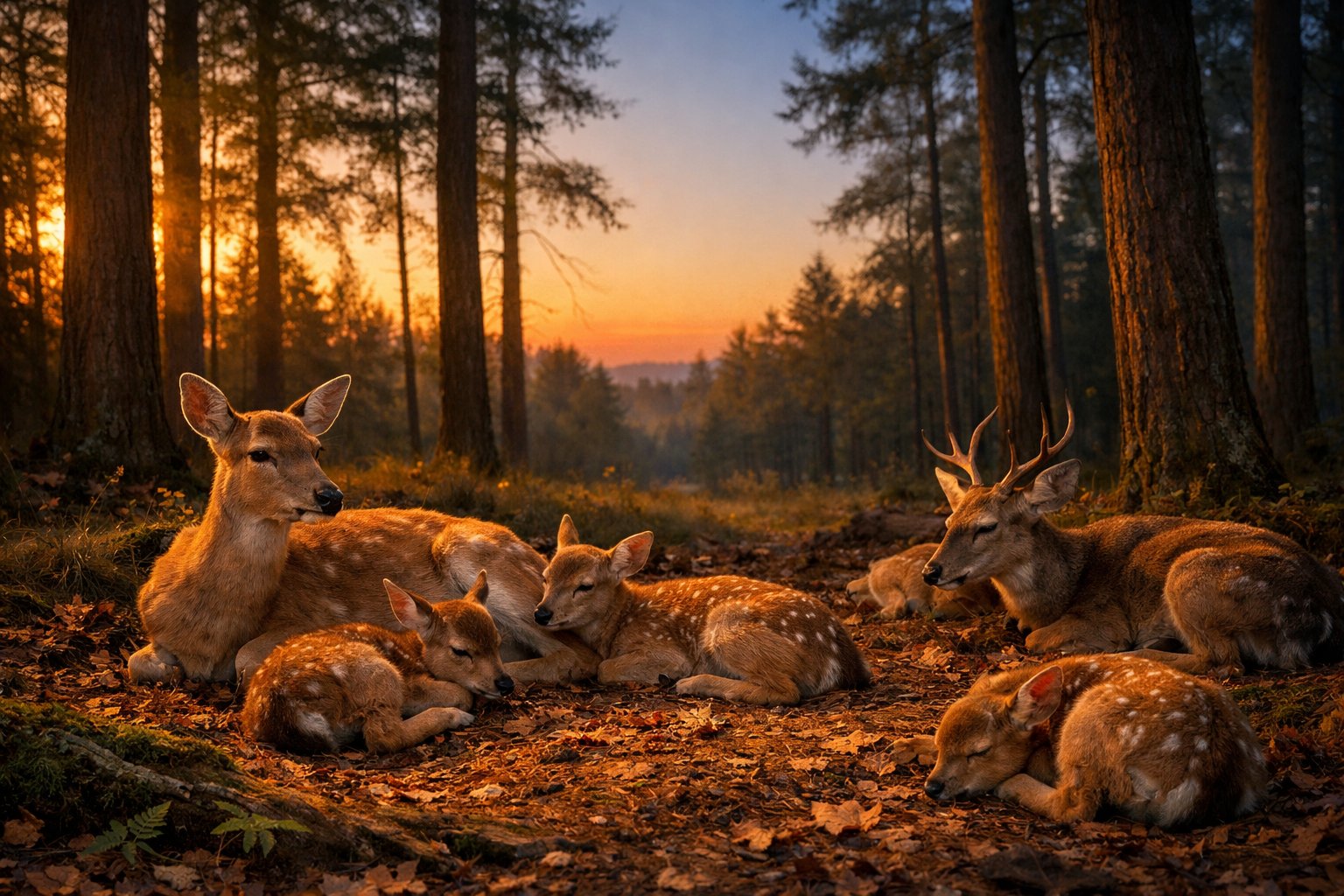
As you keep reading, you’ll see how things like season, weather, and cover affect when and where deer pick their bedding spots. Understanding this makes it much easier to find where deer rest and to move quietly through their territory.
When Do Deer Go to Bed?

Deer rest during the day in quiet, covered places close to food or water. Their bedding times change with light, weather, age, and sex.
Typical Bedding Times for Deer
Deer move mostly at dawn and dusk since they’re crepuscular. After they feed at first light, most deer settle down by mid-morning and might stay bedded until late afternoon.
You’ll often spot whitetails bedding from around 9 AM to 3 PM, though this shifts a bit depending on sunrise and sunset. In winter, shorter days mean deer may rest longer to conserve energy.
Their beds are close to feeding areas, usually just a few hundred yards away. You might notice flattened grass, droppings, or well-worn trails leading to these spots.
Influence of Daylight and Seasonal Changes
Day length really shapes deer bedding habits. When summer days stretch out, deer bed earlier in the morning and wait until later in the afternoon to move again, trying to dodge the heat.
In fall, especially during the rut, bucks might break their routines and stay active longer in daylight. Winter means less time to feed, so deer bed more and look for sunny, south-facing slopes to keep warm.
You’ll see deer pick different bedding spots as the seasons change. In spring and summer, they like shady, cool places. When it gets colder, they go for sheltered spots with good cover and food nearby.
Impact of Weather on Bedding Down
Weather really messes with when and where deer decide to sleep. On hot days, they hide out in thick shade or beneath evergreens to stay cool.
When it rains or the wind picks up, deer tuck themselves into dense cover. Heavy storms keep them bedded longer, but a light rain might make them more active since it hides their scent and noise.
Cold snaps push deer to pick sunny slopes or spots protected from the wind. Deep snow makes travel tough, so sometimes they just stay put to save energy.
Differences Between Bucks, Does, and Fawns
Bucks, does, and fawns all have their own bedding quirks. Bucks usually pick hidden, out-of-the-way beds—especially during the rut when they’re roaming around a lot.
Older bucks sometimes use separate beds at night and during the day, depending on pressure. Does bed where they can escape quickly, often near food and close to where fawns rest.
Fawns stay right by their mothers in thick cover, relying on stillness to stay safe. Young deer spend more time bedded down for warmth and protection.
You might spot does with fawns in tangled brush, tall grass, or under low branches—places that hide the little ones but let mom keep an eye out.
How and Where Deer Bed Down

Deer pick sheltered spots near food, water, and quick escape routes. They often return to the same bed for days or even weeks, choosing places where they can rest, chew cud, and stay safe.
Choosing a Bedding Location
Most deer beds hide in thick cover but still offer a good view or a scent advantage. You’ll find them in dense shrubs, brush piles, or tall grass close to open feeding areas or trails.
Bucks go for beds with more than one escape route and usually pick spots downwind so they can catch your scent before you get too close. Deer want food and water nearby to avoid long walks.
In winter, they look for sunny spots. In summer, shade is key. Fawns and does bed close together in hidden places, while mature bucks sometimes risk more exposed spots near travel corridors.
Deer Bedding Behavior and Sleep Patterns
When deer bed down, they curl up in an oval spot and chew their cud. You’ll see droppings and tracks around these beds.
Deer don’t really sleep deeply; they stay alert and can jump up in a flash if something spooks them. Instead of sleeping for hours on end, they bed down in short bouts throughout the day.
Since they’re crepuscular, deer feed at dawn and dusk, then rest during mid-morning and mid-afternoon. Bucks might bed less during the rut, switching between nighttime and daytime beds if they feel pressured.
Bedding Habits in Different Seasons
When the seasons shift, deer change up where and how they bed down. In winter, they look for sunny, south-facing slopes or tuck themselves under conifers to save energy and keep warm.
Once summer rolls in, deer head for shady, cooler spots, usually close to water or thick vegetation. It just makes sense—they want to escape the heat.
During the rut, bucks get restless and leave their usual beds behind. They’ll chase does and crash for quick rests near all the action.
Fawning season changes things again. Does slip into deeper cover and pick out hidden spots to protect their young. If people don’t bother them much, you might see deer using the same bedding areas for weeks at a time.


