
Here’s the quick version: wild deer usually make it about 4 to 6 years on average. If they’re in protected or captive places, they can live a lot longer. Most wild deer never get old—predators, disease, cars, and hunting usually end things early. A lucky few might survive a decade or more, but that’s rare.
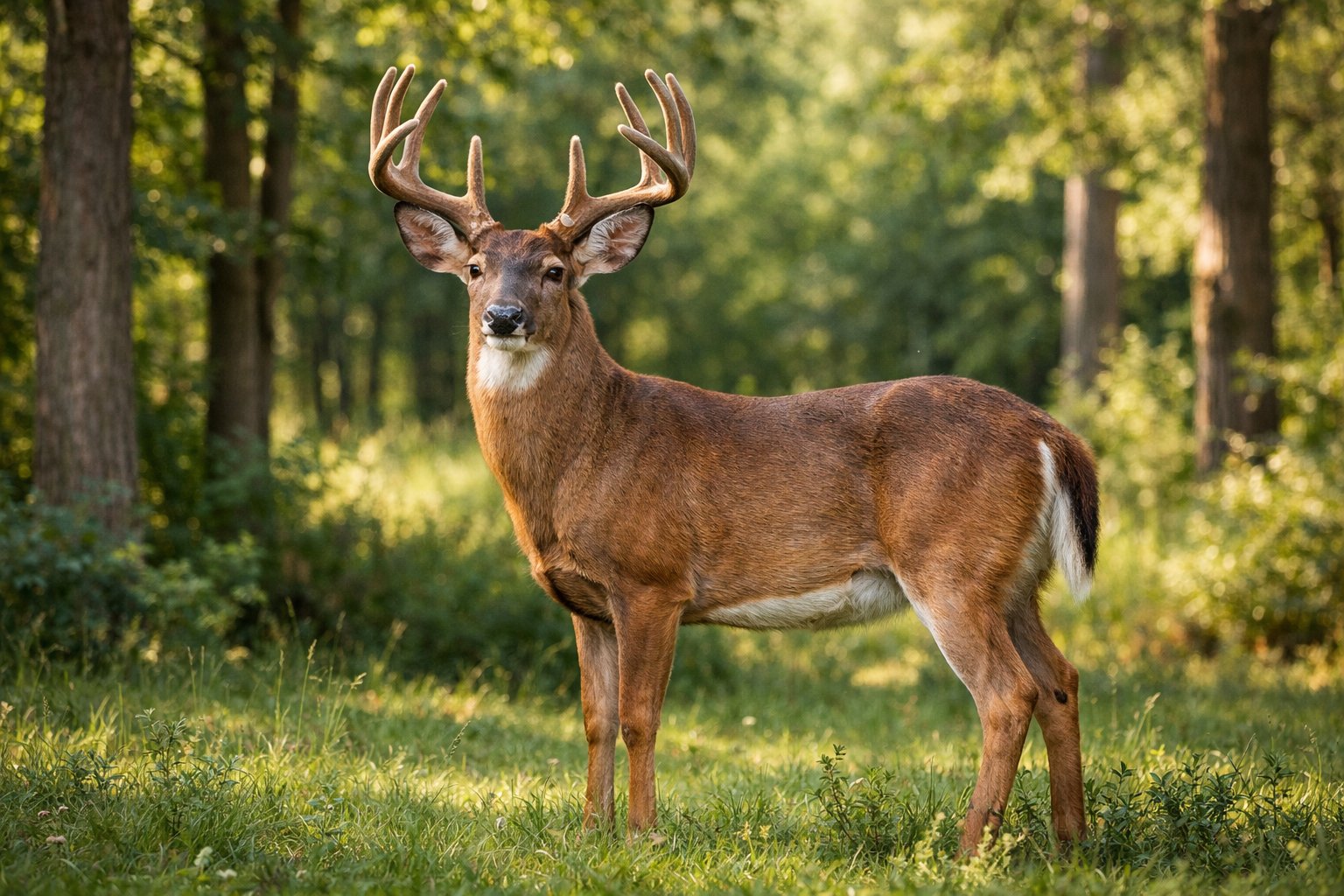
Curious how age changes by species or sex? Or how deer grow up, and what usually shortens their lives? This article gets into all that. You’ll get straightforward info on average lifespans, the life cycle, and what really changes how long deer stick around.
How Long Do Deer Live: Average Lifespans and Life Cycle

Deer don’t all live the same amount of time. Their lifespans shift a lot depending on species, where they live, and whether humans are caring for them. You’ll see shorter lives in areas with lots of hunting or predators, and much longer ones if they’re in zoos or protected parks.
Average Lifespan of Wild Deer
Wild deer usually get about 3 to 7 years, but this depends on species and location. White-tailed deer, for example, average around 4.5 years out in the wild.
Bucks don’t live as long as does—hunting and the dangers of rut take a toll. Mule deer show similar lifespans across North America.
Predators, disease, cars, and not enough food cause most early deaths. Fawns, especially, have it rough in their first few months, and a lot never make it to adulthood.
In some protected areas, more deer reach 8–10 years. Still, hitting ten years old in the wild is pretty unusual.
Deer in Captivity: Lifespan Differences
Deer living in captivity tend to last a lot longer. Captive white-tailed deer and other species can live 10–20 years since people manage their food, health, and keep predators away.
Good nutrition and vet care mean fewer deaths from disease or malnutrition. Captive elk and Scottish red deer also live longer than wild ones.
Captivity removes a lot of natural risks, though it can add stress or health issues if the enclosure isn’t great. Still, with decent care, deer in captivity often live twice as long as wild ones.
Oldest Documented Deer and Notable Records
The oldest deer ever recorded lived in captivity and reached a surprising age. A Scottish red deer doe named Bambi reportedly made it to 31 years in the UK.
That’s pretty extreme, though. The oldest wild deer on record got to about 18–19 years before dying from injury or old age problems.
White-tailed deer in the wild have sometimes reached 19 years, but these are outliers. These cases show what’s biologically possible, not what’s typical for most deer.
Deer Life Stages: Fawn, Young Deer, and Adult
Deer go through a few clear life stages. Fawns mostly arrive in spring, hiding out and relying on camouflage for weeks.
Predators, hunger, and weather can wipe out a lot of fawns early on. Yearlings start grazing more and learn to avoid trouble, but their first winter is rough.
Adults that make it past year two, especially does, have a better shot at surviving through several breeding seasons. Bucks, though, deal with rut fights, hunting, and the stress of growing antlers.
Species matter, too: elk grow bigger and live in herds differently, while whitetail and mule deer have their own habits and risks that affect how fast they mature and how long they last.
What Factors Influence Deer Lifespan?
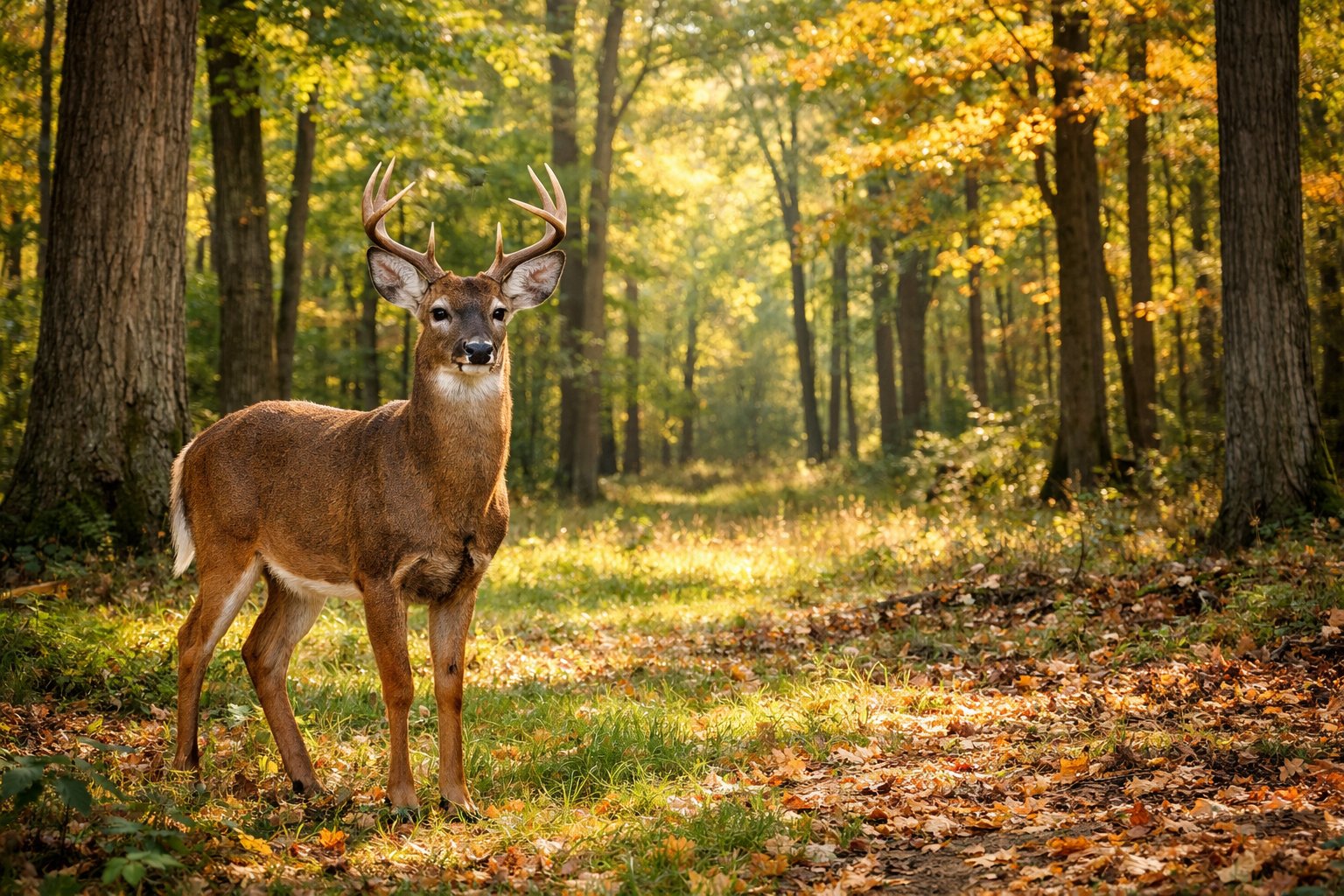
Lots of things decide how long a deer survives. Predators, fawn losses, hunting, disease outbreaks like chronic wasting disease, and how good their habitat and food are all matter.
Every one of these shapes deer survival in pretty clear ways.
Predators and Fawn Mortality
Predators hit young deer the hardest. In many places, coyotes kill a big chunk of fawns in their first few months.
Mountain lions, wolves, and bears go after both fawns and adults in areas where they live. Bobcats sometimes target very young fawns hiding in cover.
Fawn survival changes a lot depending on the landscape. Open farmland with little cover means more fawns get picked off by predators.
Thick forests or well-managed cover give fawns hiding spots, so more survive. Predator numbers and their hunting patterns change local deer survival rates every year.
Wildlife managers try predator control, habitat improvements, and herd monitoring to boost fawn survival when numbers drop.
Hunting Pressure and Human Impact
Hunting hits adult and young deer differently. Mature bucks get hunted more for their antlers, so you see fewer older males in the herd.
Hunting seasons and bag limits aim to keep the herd healthy over the long run. Humans also cause tons of deer-vehicle collisions—over a million deer die this way every year in some places.
Roads near good deer habitat and poor lighting make crashes more likely. Urban sprawl shrinks habitat and pushes deer into small green spaces.
This stress, along with more car collisions and crowded conditions, boosts disease risk. Your local deer numbers and survival really depend on hunting rules, road density, and how much green space is left.
Disease and Chronic Wasting Disease
Diseases can wipe out deer quickly. Epizootic hemorrhagic disease (EHD) causes sudden die-offs in late summer and fall.
Biting midges spread it, and it can kill lots of deer in just a few weeks. Chronic wasting disease (CWD) is a slow, fatal brain disorder in deer.
It spreads through bodily fluids and contaminated places. CWD lowers reproduction and increases deaths, especially where it’s common.
Managers test herds and set rules like carcass bans or targeted culls to slow the spread. They monitor infection rates to decide if they need to change hunting or other controls to protect the herd.
Habitat, Nutrition, and Harsh Winters
Good food and solid cover really boost deer survival. When deer get quality browse, crops, and acorns, does can nurse their fawns better and bounce back after winter.
If nutrition drops off, their immune systems take a hit. You’ll also see reproductive rates go down.
Harsh winters make everything tougher. Deep snow and long cold spells push deer to burn more energy just to get around and find something to eat.
When that happens, starvation and exposure can kill more deer, especially the young ones and the really old ones.
Habitat fragmentation cuts down on forage and makes it harder for deer to move safely. If you want to help local deer survive, try restoring browse, connecting habitats, or slowing down development.
Those steps actually support steadier populations.


